A.I. Could Make the Smartphone Passé. What Comes Next?
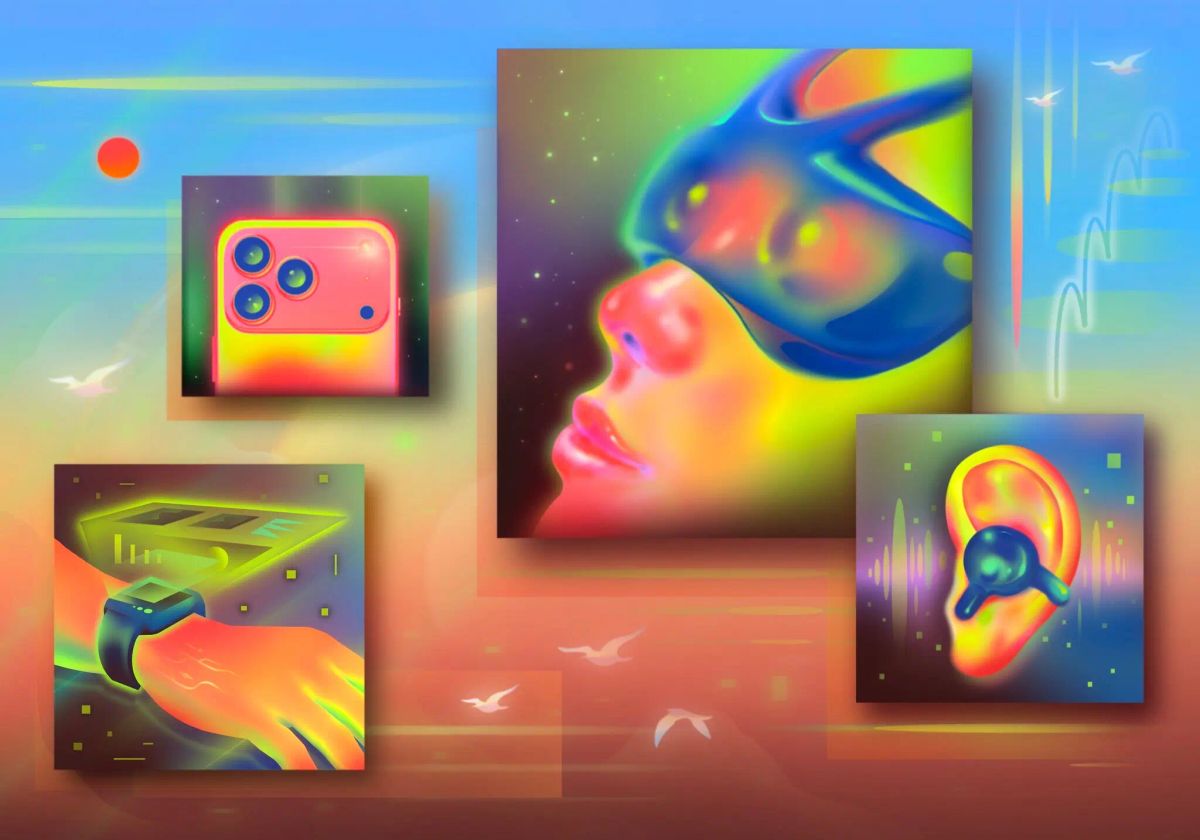
I explored the ideas of modern A.I. technologies, specifically wearable items for daily life. I was curious to see where technology is going and how I could tie it into my capstone projects. I think incorporating some of the wearable technology could be a possibility when thinking about activation for activities in the car.
"Modern artificially intelligent assistants, which are far more capable and flexible than clunky voice helpers like Siri, are poised to become the central operating system of all our personal computing devices, superseding smartphone software in importance, experts say.”
“Glasses that understand our context because they can see what we see, hear what we hear, and interact with us throughout the day will become our primary computing devices.”
For decades, technologists have dreamed that a pair of computer glasses with digital screens embedded in their lenses could give people real-time information about the people and places they see. An A.I. assistant would play an important role on this device, allowing a user to ask for help by simply speaking to it as if it were a friend. (Mark Zuckerberg)
(ray band meta glasses), which include a camera, speakers and a microphone, brought its A.I. assistant, Meta AI, to the glasses, letting users ask questions about what they were looking at, from zoo animals to historical landmarks (Chen, 2025)."
The Ambient Computer
"As reliant as we have become on smartphones, they can be a distraction because we are constantly being bombarded with notifications from different apps.
Because A.I. technology makes it possible to have fluid conversations with new assistants such as Alexa+, which Amazon began rolling out this year, it will enable people to get certain tasks done more easily than doing them on a phone (Chen, 2025)."
The Smartwatch Reimagined
"A.I. would make the operating system on each person’s watch unique. For fitness enthusiasts, it would automatically track their activity. For entrepreneurs focused on work, like Mr. Pei, it would automate scheduling and other tasks (Carl Pei), (Chen, 2025)."
The Recorder
A quote from Dan Siroker, the chief executive of company, Limitless AI suggests the benefits AI could have on daily activities, allowing people more freedom from common limitations. He states:
“It is a device that augments our capabilities and frees our mind of our biological limitations (Dan Siroker).”
"Human memory is extremely unreliable — studies have shown that 90 percent of our memories are forgotten after a week.
Start-ups like Limitless AI, which makes an A.I. pendant that clips to your clothing to record conversations and create automatic transcripts, believe that wearable recorders paired with an A.I. coach will give people extra brain power to be more effective at work and at home.
It may even help you become a better parent. Mr. Siroker shared this example: Recently, during a trip to a theme park, his children begged him for more credits to play in an arcade, and he caved. His A.I. assistant, which had been listening, sent him a text message explaining what he could have said to remain firm.
Privacy concerns could slow the adoption of A.I. devices carried everywhere, said Dave Evans, a hardware designer who previously worked at Apple and Samsung (Chen, 2025)."
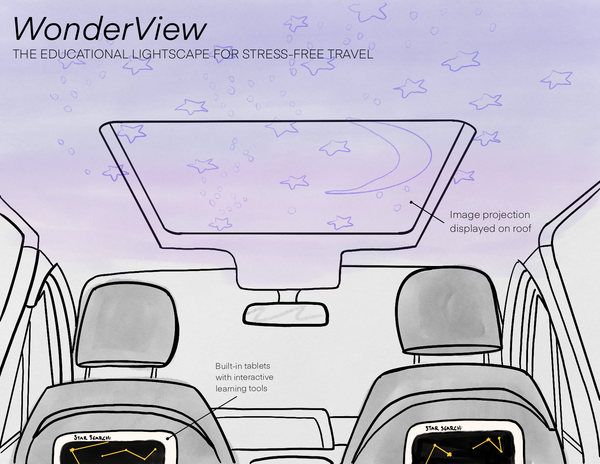
This article focuses on the variations of AI technologies that are being created today, and how it may lead to the shift of technological advances. The article uses the examples of smartphones, suggesting that this hardware could be considered outlawed, and explores other ways to incorporate AI into different forms. These not only included stationary items, but also wearable items such as glasses, watches, and necklaces. This article provides interesting points when thinking of AI in future scenarios. I thought this related to my capstone project, as a form of artificial intelligence can be used to help create a calming and meditative atmosphere for a child in the backseat. The article also mentioned computers and conversation recorders and addressed the concerns around user privacy. This balance made me question the future of technology and whether creating a friendly persona for the car is establishing a relaxing atmosphere or infringing on the privacy of the people driving. It also makes me wonder if this tool can help children learn and better understand our surroundings by identifying landmarks, or animals they may see along the way.
References:
Chen,Brian, & Mickle,Tripp (2025, September 8). The New York Times. A.I. Could Make the Smartphone Passé. What Comes Next? The New York Times. https://www.nytimes.com/2025/09/08/technology/personaltech/ai-iphones-android-smartphones.html
This reflection draws on content from the original source, including academic articles and web pages Chen, Brian, & Mickle, Tripp. A.I. Could Make the Smartphone Passé. What Comes Next? The New York Times. (~45%), the author’s own selection of materials, prompts, and interpretive framing (~45%), and AI-assisted grammar, and citation formatting (~10%). All interpretations and conclusions remain the responsibility of the author.