A museum by kids, for kids
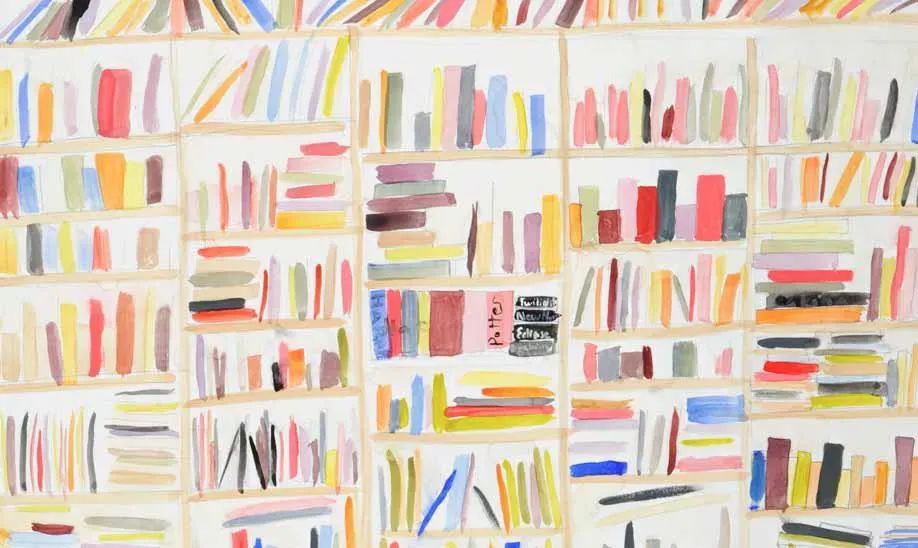
When you think of art museums the image of a blank white hallway with elaborate oil paintings and marble sculptures may come to mind. However, these works are not the bulk of art created each day. The Children's Museum of the Arts showcases the works of artists with the highest output: children. In doing so they highlight the value of art making as both development and historical record.
In January 1990, when Kathleen Schneider and her staff sent out an international call for children’s art for a fledgling museum, they hadn’t even secured an exhibition space yet. They did have a P.O. box, an office in the form of Schneider’s Greenwich Village apartment, and a name—the Children’s Museum of the Arts (CMA).
Mail soon began to pour in from across the U.S. and overseas. The art arrived “in all shapes and sizes—in thin and fat tubes, in wooden crates, and in flat envelopes of different papers with colorful stamps,” wrote then-exhibition director Rita London in a catalogue essay. One particularly large trunk had to be specially retrieved from U.S. customs.
They received nearly 1,800 artworks from children between the ages of two and 12, from more than 50 countries. A group of advisors—including representatives from the Leo Castelli Gallery and Harlem School for the Arts—would eventually narrow down the submissions to 75 works for display. The resulting traveling exhibition, which first appeared in January 1991 at A.I.R Gallery in Soho, was titled “A Child’s World.”
This marked the beginning of CMA’s permanent collection, which has continued to expand since 1991. The museum today bills its collection of children’s art as the largest in the world, composed of more than 2,000 paintings and drawings that date as far back as the 1930s. And that’s not counting the 4,000 children’s films created by CMA-goers over the last five years, which are currently archived online.
As the meaning of "good art" changes and morphs, the types of art that is able to be archived and protected expands. As such, designers that aim to make art tools for children need to consider how the works will be preserved. Paint should be easy to wash from clothes and skin but resistant to fading and chipping. Digital platforms should allow easy exporting and constant saving. More than that, however, is the importance of displaying these works. For example, many vehicles have screens in both the backseat for entertainment and in the front for navigation and music. Perhaps the ability to send works of art or progress in a game program from the back to the front in a non-intrusive manner could help parents experience the joy of seeing their children express themselves.
Regardless, as the meaning and value of art shifts, designers must adapt to accommodate those that wish to create. Considerations on how to preserve and share the works of a designer's clients have never been more important.
References
Cain, Abigail. 2017. Artsy.net. "Explore the World's Largest Collection of Children's Art". https://www.artsy.net/article/artsy-editorial-explore-worlds-largest-collection-childrens-art
Mileaf-Patel, Pia. N.D. Children's Museum of the Arts. https://www.cmany.org/?p=11847
All original works in this article were done without the assistance of AI tools.