Research Methodology for Ancient Circularities

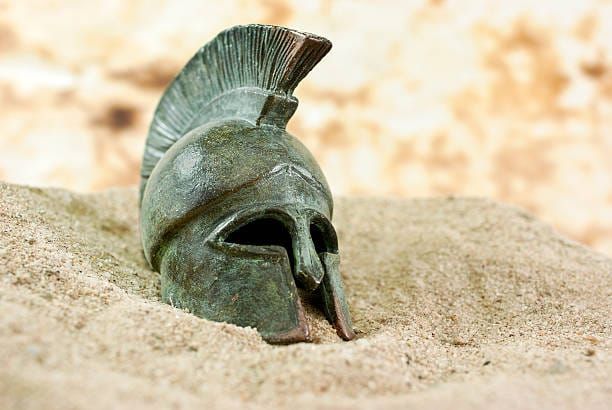
From the report Circular economy in the Roman period and the early Middle Ages, the authors highlight how past societies practiced circular use of materials, showing that reuse and repurposing were not just practical but cultural. Designers and consumers alike can learn from this mindset by treating plastic not as disposable or trivial, but as a resource with potential second and third lives.
In a circular dynamic, after the first consumption, the materials are collected again through more or less organized practices, the most important of which are reclamation, scavenging, and hoarding (Bavuso, I. , 2023).
Scavenging and reclamation in today’s context could be reframed as organized recycling cooperatives that provide jobs and environmental benefits. Instead of discarding plastic, households could consciously sort it for specialized recycling streams, making the process more efficient. However there must be a strong incentive to do this that justifies the time and cost to sort through these things.
After items are collected, the objects can undergo different processes. One of these is curation, which is generally motivated by a variety of reasons, such as scarcity of goods, status display, memories, and cults.

Modern society could benefit from cultivating emotional or symbolic value in plastics through art, design, or heirloom-like reuse. For example, curated plastic goods could be turned into durable keepsakes, furniture, or even community art projects, reducing the stigma of reuse. Businesses can also adopt curation by designing long-lasting, repairable plastic products that hold value over time, rather than single-use items.
Curated goods can be passed on as heirlooms, and heirlooms can be objects that have been first reclaimed.
The easiest way of reuse is lateral cycling, in which the item remains largely unchanged but is used by someone else for the same purpose.
Lateral cycling is a particularly powerful concept: items like storage bins, toys, or kitchen containers can be reused by others with little or no modification. Online marketplaces, thrift stores, and donation networks can expand this practice so fewer plastics end up in landfills.
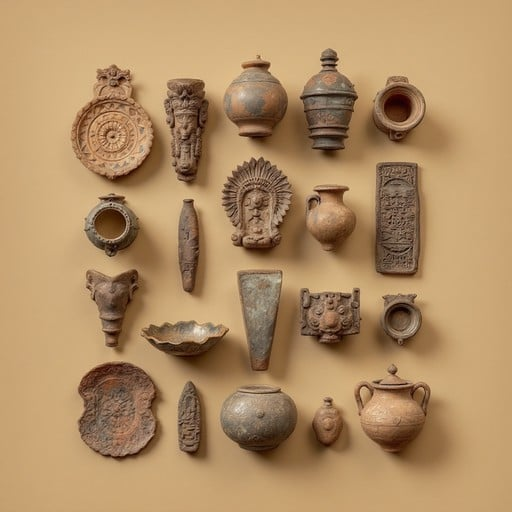
...the transformation of luxurious secular goods into religious objects in Remigius’ testament belongs in the sphere of devotion – thus, reuse entered the religious and devotional sphere. Remigius’ will shows that circular practices played a role in the networks formed by bequests to churches and monasteries...
Beyond reuse, upcycling practices can transform plastic into entirely new items, such as building materials, textiles, or art supplies. The transformation of secular goods into religious ones, as noted in the passage, reminds us that plastics too can take on new symbolic roles—becoming emblems of environmental responsibility when reused creatively. The Local Loops team must offer design conjectures that challenge the public to think about plastics differently and imagine a new kind of value beyond cheap, transactional need meeting.
References
Bavuso, I., Furlan, G., Intagliata, E. E., & Steding, J. (2023). Circular economy in the Roman period and the early Middle Ages – Methods of analysis for a future agenda. Open Archaeology, 9(1), Article 20220301. https://doi.org/10.1515/opar-2022-0301