
Applying "Leave No Trace" To Waterways
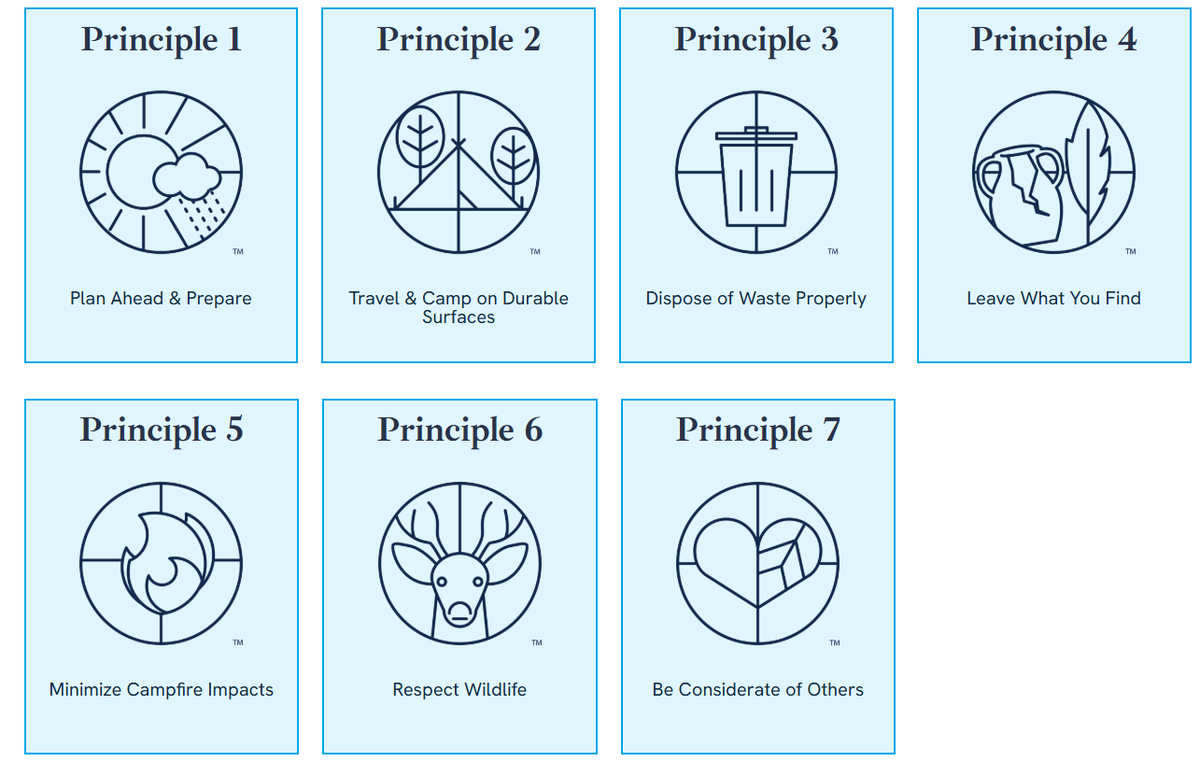
Leave No Trace (LNT) principles are widely recognized in trail and wilderness systems for promoting minimal environmental impact. These principles emphasize practices such as staying on durable surfaces, disposing of waste properly, and respecting wildlife. However, their application to aquatic ecosystems, particularly regarding angler waste, remains underexplored.
The seven principles emphasized include:
Plan Ahead and Prepare
Travel and Camp on Durable Surfaces
Dispose of Waste Properly
Leave What You Find
Minimizes Campfire Impacts
Respect Wildlife
Be Considerate to Others
These principles underscore can be adapted to explain the importance of preventing pollution in aquatic environments. While LNT practices are well-established for terrestrial ecosystems, their adaptation to water systems, especially concerning angler waste, is limited. Education in the aquatic waste sector seems to go a bit more unnoticed, with few signs or guidelines explicitly laying out any expectations from patrons within my site visits. If I were to adapt the seven principles, I would include
- Plan Ahead and Prepare
- Travel Within Recommended Speed Limits and at the Required Distance
- Dispose of Waste Properly
- Leave It Better Than You Found It
- Minimize Habitat Damage
- Respect Wildlife
- Be Considerate of Others
References.
The 7 principles - leave no trace center for outdoor ethics. (2018). Leave No Trace. https://lnt.org/why/7-principles/
Aliina Lange’s original insights regarding angler waste and interest in applying Leave No Trace principles to aquatic systems contributed ~%50; the author’s conceptual framing of biodegradable PLA bait cans as a potential solution contributed ~40%; AI (ChatGPT, GPT-5 mini) contributed ~10% by synthesizing using LNT source material. All interpretations and conclusions remain the responsibility of the author.