Are Academic Achievements Fizzling Out in the Back Seat?
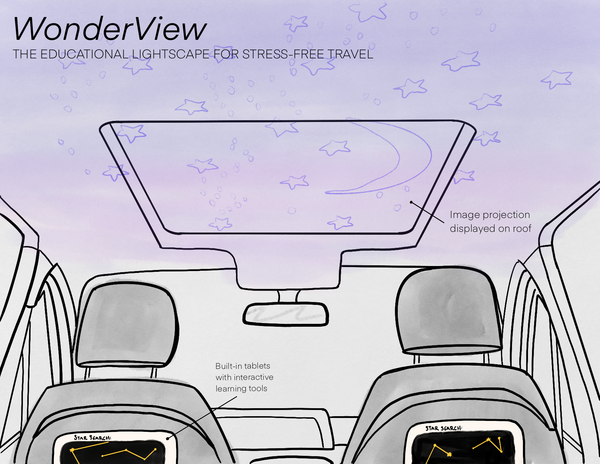
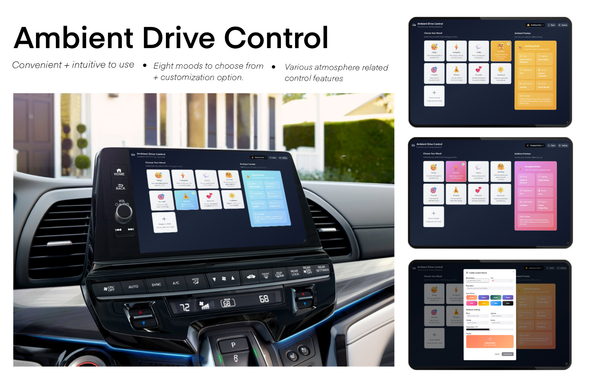
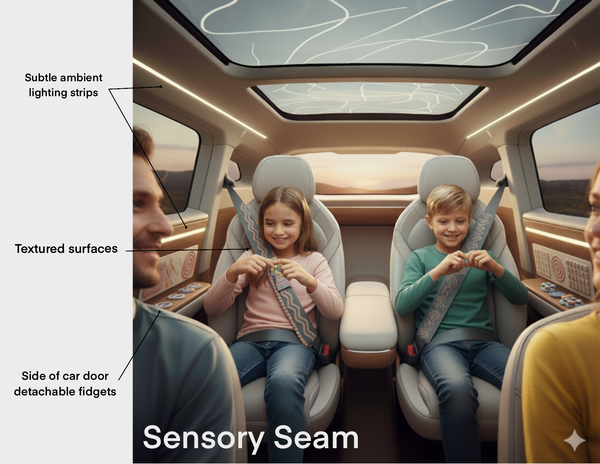
Could prolonged commutes be tied to declining academic thriving? An article from Ding and Feng (2022) seems to show a potential relationship between commuting for approximately 20 minutes and declining academic test scores. How might we design a backseat environment that could potentially mitigate these impacts?
"Besides commuting time, increasing numbers of studies are paying attention to the impacts of commuting mode on child PWB. For example, a study using children’s travel data from Quebec City, Waygood and Cervesato (2017) found that children who bicycled to destinations had the highest happiness levels [48]. Similarly, using data from primary and secondary schools in the City of Vienna, Juliane Stark et al. (2018) found a positive association between active travel and children’s PWB [49]. Based on a study of nonwesternized contexts, Leung and Loo (2017) focus on primary school children in Hong Kong. Children engaging in active transport rate their journeys as happier than those using motorized transport [21]; Sun et al. (2015) studied the transport mode to school among children in China, and found that more active commuting to school might help to decrease the risk of obesity and depressive symptoms [20]. Generally, there are consistent findings that positive experiences while active commuting [17]." (Ding and Feng, 2022).
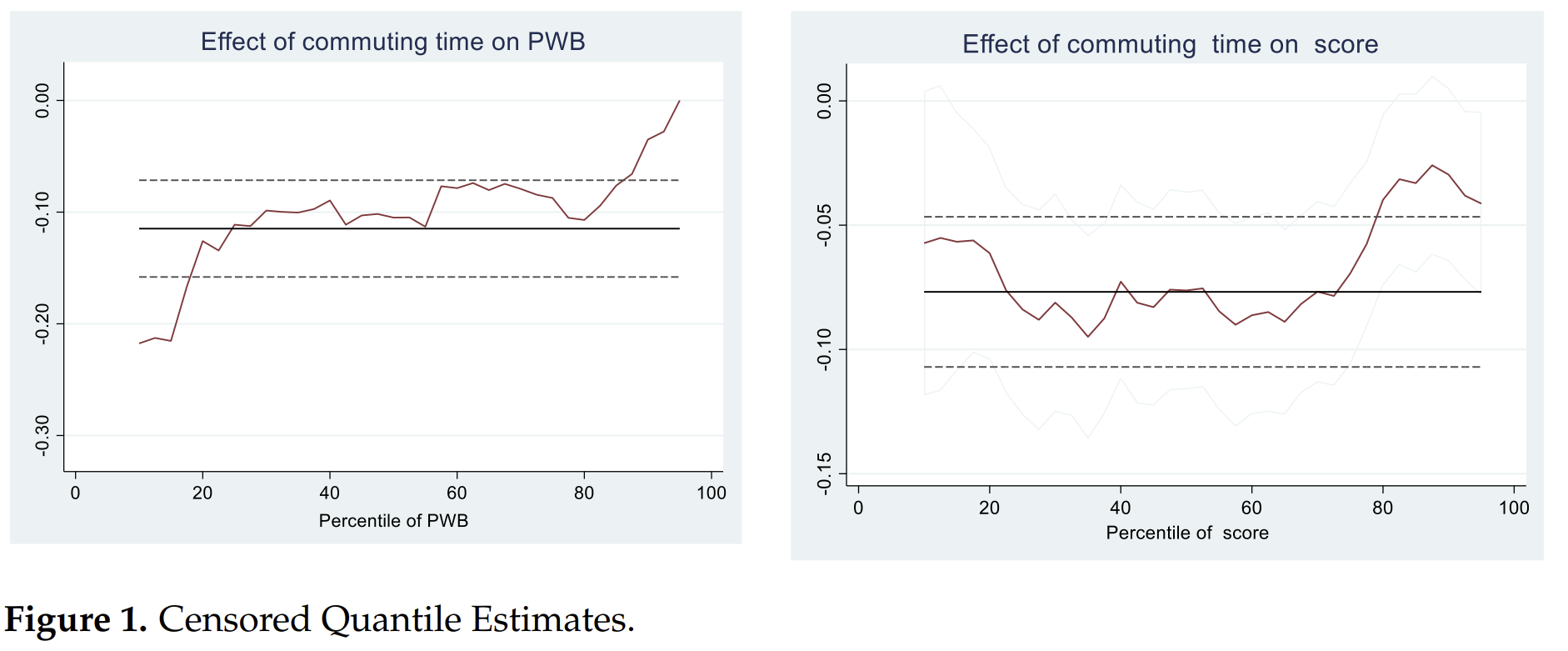
Later in the article it is mentioned that they found little evidence that the mode of commute isn't the only impact on academic success but could also be influenced by support structures and pressures associated with elite schools. The study also showed a potential factor being the duration of the commute in increments of ten minutes as showing a relationship to decline in academic scores.
Which brings me to my big question: If the duration of commute, regardless of mode, influences the youth's psychological well being; what are potential ways of counteracting the impact of commute times? Is the factor time itself?
References.
Ding, P., & Feng, S. (2022). How school travel affects children’s psychological well-being and academic achievement in China. International Journal of Environmental Research and Public Health, 19(21), 13881. https://doi.org/10.3390/ijerph192113881