Are Neurable Headphone the Next Big Research tool?
How are brain waves being used to better understand design and what could the future potentially look like?
In a study run by Google in partnership with Johns Hopkins University, a wristband was used to monitor biometrics of participants while they experience differently designed spaces.
" Before entering the interactive rooms, visitors are equipped with a specially made wristband, developed by Google in partnership with the International Arts + Mind Lab at Johns Hopkins University, led by Susan Magsamen." (Kurland, 2019)
" This uses four sensors to measure specific physical and physiological responses, such as heart rate and skin conductivity." (Kurland, 2019)
" After experiencing each of the three spaces, visitors are given a customised report informing them which space they felt "most comfortable" or "at ease" in, based on their real-time physiological responses." (Kurland, 2019)
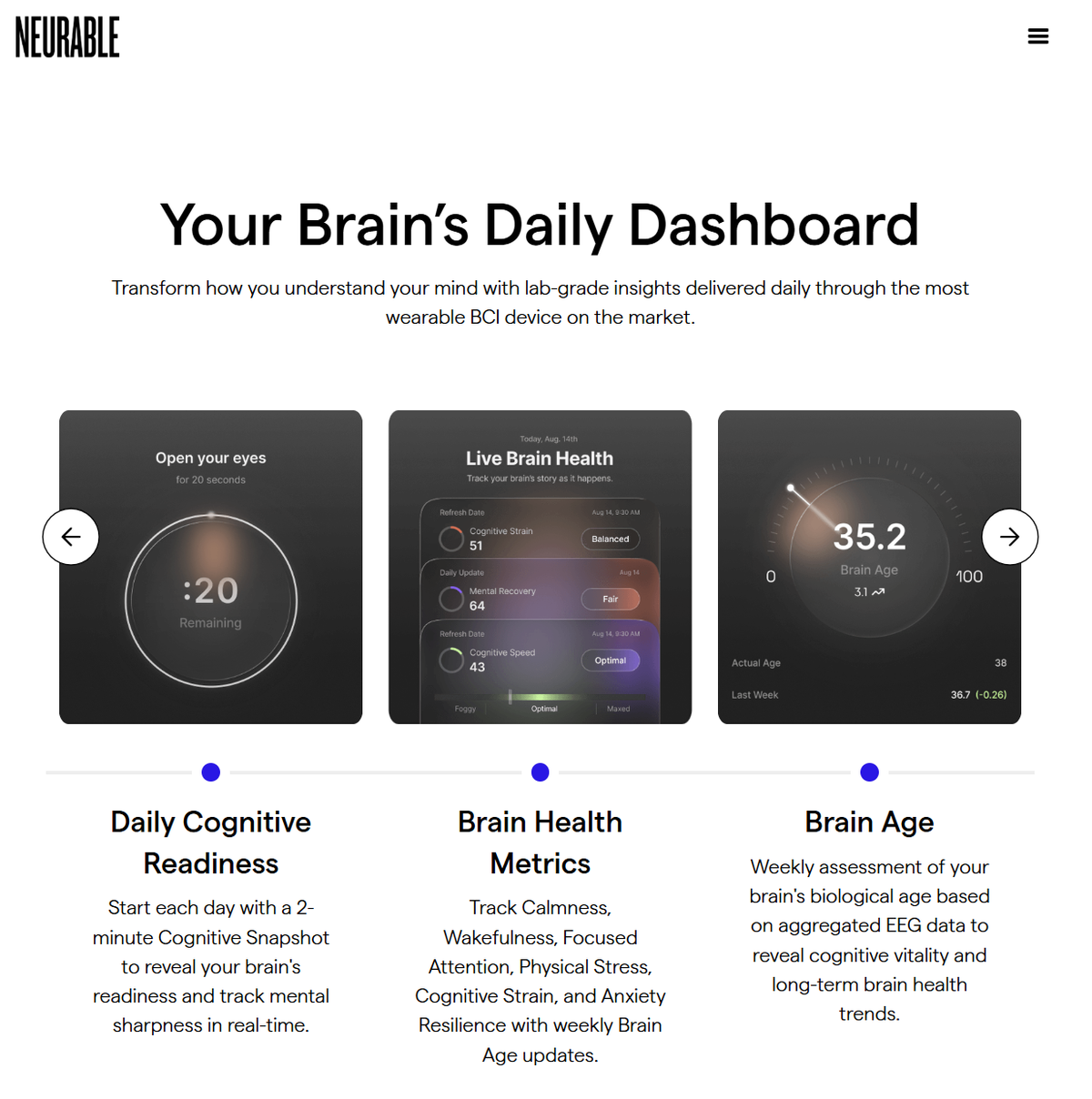
Beyond this study, other monitors are in constant development to better understand the way we process the world around us. Moving from the well known biometric "fitness trackers" like fitbit, Google, and Apple, the Neurable MW75 headphones are available for pre-order at a price point of $499-$700. The Neurable MW75 headphones record brainwaves, give users reports on brain health, and provides actionable insights for adjusting your work practices.
" Neurable's brain-computer interface sends brain signal data to the Neurable app, where it's converted into actionable insights. Access your focus score, track changes over time, and determine when you concentrate best." (Master & Dynamic, 2025)
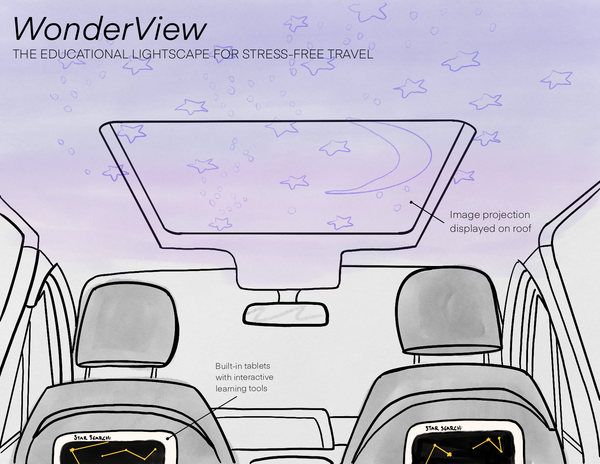
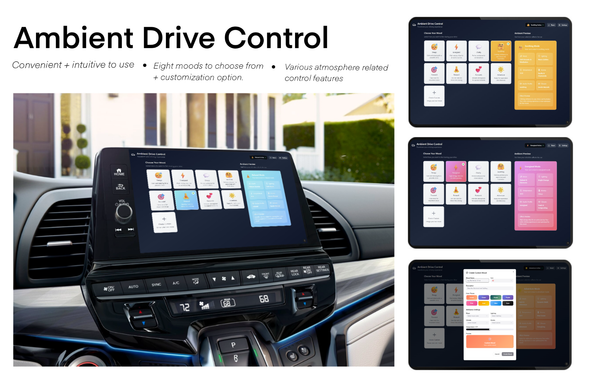
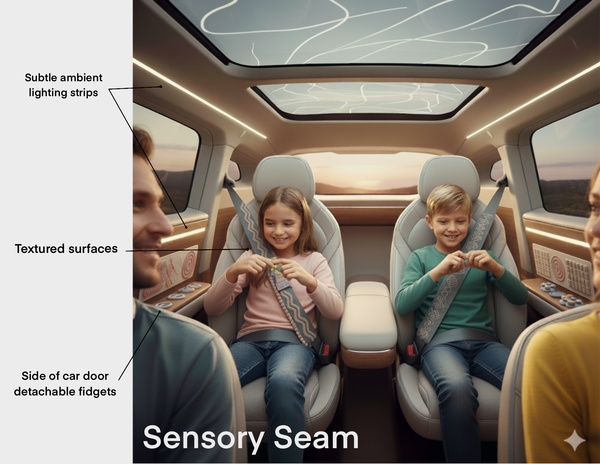
How could headphones like these also be valuable tools in design research? What if we could genuinely study the comfort, focus, distress, or boredom of kids, teens, or adults in cars to make the experience truly more relaxing? What if the environment to change itself based on the input from BCI devices like these headphones or even built in BCI features in those environments?
References
Kurland, N. (2019, April 10). Google Milan Design Week: A Space for Being installation (neuroaesthetic design). Dezeen. https://www.dezeen.com/2019/04/10/google-milan-design-week-a-space-for-being-installation-neuroaesthetic-design/
Master & Dynamic. (2025). MW75 Neuro: Smart EEG active noise-cancelling wireless headphones [Product page]. https://www.masterdynamic.com/products/mw75-neuro
Neurable. (2025). MW75 Neuro LT [Product page]. https://www.neurable.com/products/mw75neurolt?variant=48878808236278
Scarrott, B. (2024, October 21). I tried the brain-hacking headphones and if you struggle to focus, you should too. TechRadar. https://www.techradar.com/audio/headphones/i-tried-the-neuro-hacking-headphones-and-if-you-struggle-to-quieten-your-mind-you-should-too