Art Therapy: Bridging the Gap
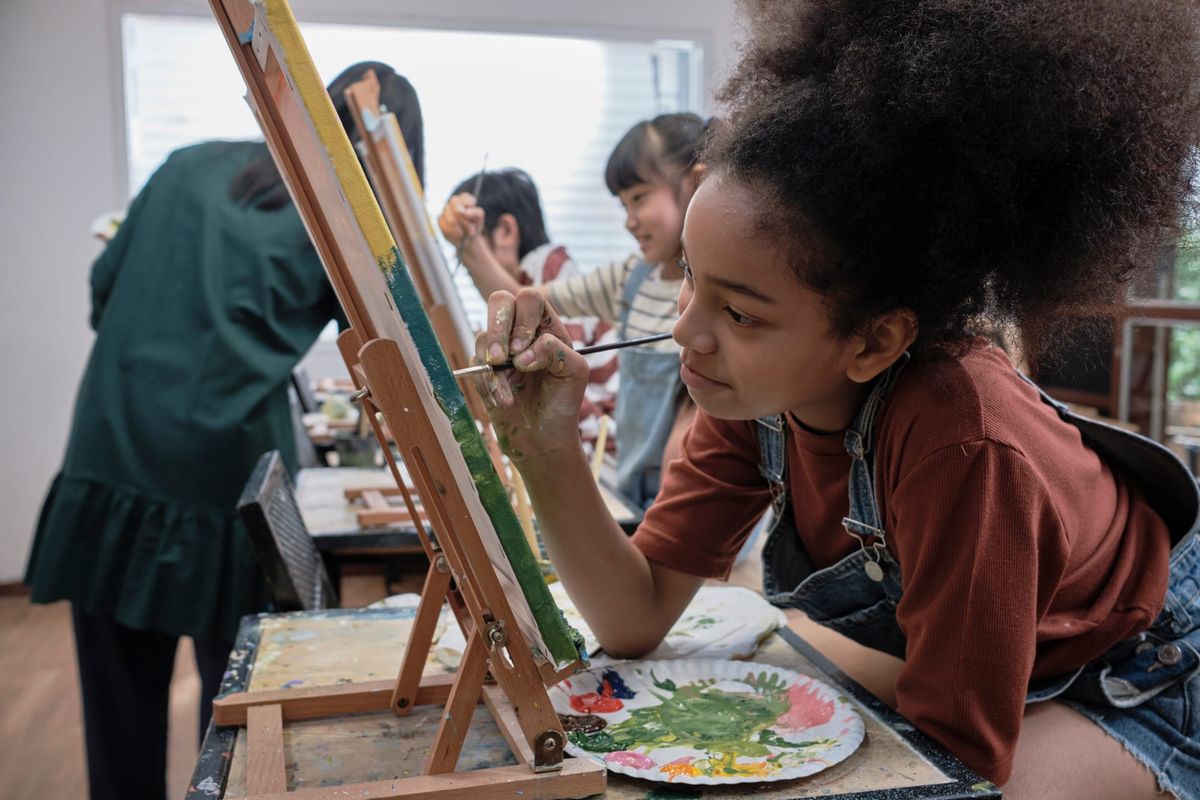
Long seen as a way to express thoughts and emotions, art has also been used as a therapy tool starting in the 20th century. Experts cite art's ability to alleviate stress and it's function as an outlet for negative emotions.
Adrian Hill is generally known as the first person to use the term Art Therapy in 1942. Many of his works of art are displayed in the Imperial War Museum in London, works that he painted from the front lines as an official war artist during World War I. Hill personally discovered the therapeutic quality of art making when he was recovering from tuberculosis himself in 1938, and recorded his ideas in 1945 in Art versus Illness. He was employed as the first official art therapist in 1946 by the Netherene, a state psychiatric hospital in the United Kingdom. He later became the president of the British Association of Art Therapists. Hill’s contributions became a milestone for the acceptance and practice of what we know today as art therapy.
Art therapy is not specific in it’s practices, making it customizable to the ever-changing life of a patient. Adolescents who experience abuse, low self-esteem, depression, or any other psychological issues tend to withdraw from their parental figures, which works against traditional verbal therapy. Art therapy is a way for these troubled adolescents to feel expressive in a non-judgmental environment.
In a focus group with children with epilepsy, the use of art enabled said children and adolescents to express repressed emotions related to their illness. With the finding that many of the children in the focus group had never met another adolescent afflicted with epilepsy, the focus group served as an extremely valuable outlet for these children and adolescents during critical times in their lives. The art work produced was able to record their growth along the way, resulting in the participants feeling self discovery and can be believed to aid in an increase of social activity outside of the focus group, rather than social isolation that can become common in these cases.
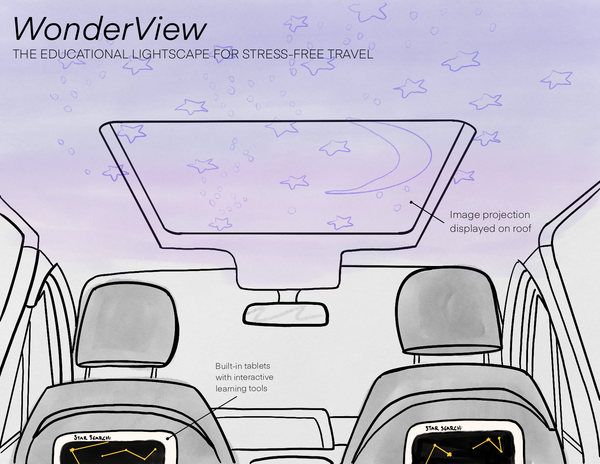
Although art therapy is typically used to vocalize and alleviate diagnosable conditions, the methods that it touts can be applicable to children that are merely having a rough moment. Many children become upset in cars due to a lack of stimulation. Art creation can provide entertainment that requires mental focus and attention. Additionally, the making of art could help children process and understand their negative emotions as seen in the focus group with epilepsy. Most importantly the output of art is much more productive and less intrusive to other passengers in a vehicle. For example, compare sketches or paper origami to emotional outbursts or pestering related to a trip's timeline.
As a designer working to improve the experience within cars for families, finding a way to facilitate positive communication is key. Children need better ways to communicate that are both non-intrusive to their parent's driving and fun to do. Although the term seems extreme, methods from art therapy can help designers such as myself create moments of creative communication that work ruin a road trip.
References
Bitonte, Robert A & De Santo, Marisa. National Library of Medicine. 2014. "Art Therapy: An Underutilized, yet Effective Tool". https://pmc.ncbi.nlm.nih.gov/articles/PMC4253394/
tigercat_lpg. N.D. Adobe Stock. https://stock.adobe.com/contributor/202799788/tigercat-lpg?load_type=author&prev_url=detail
All original works in this article were done without the assistance of AI tools.