Ask Yourself WWSD (What Would Superman Do)
I have never been a fan of Superman. I've always preferred Batman. (Though, I would be completely against him if he were real. A billionaire who decides to beat up criminals one by one with expensive tech instead of using his wealth and political influence to tackle the unjust systems that create the conditions for crime to happen in the first place? No, thank you.) The grit and bleakness of Gotham always felt more real and relatable to me. There's always been so much wrong with the world, and it all feels like to much to tackle. Batman adaptations capture that feeling for me. Superman always felt too cheesy and heartless in comparison.
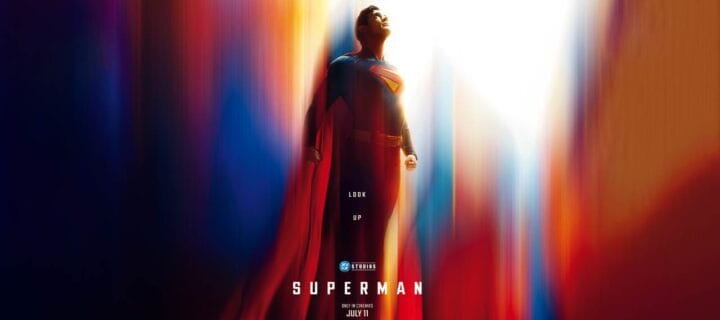
However, I watched Superman (2025) recently, and I was pleasantly surprised.
Excerpts from What Superman (2025) Teaches Us About Politics and Hope (Hale 2025)
This new Superman (2025) movie? It gets it. It understands that Superman isn’t just some overpowered alien or a symbol of might: he’s an ideal. He’s what America wants to be at its absolute best: brave, generous, compassionate, powerful in the service of good, and not afraid to stand up for people when it matters most.
And if we’re being real right now, that ideal feels distant. The systems around us are massive and stuck. We’ve got tech oligarchs hoarding wealth and building weapons, AI accelerating inequality, a political system that feels like it’s fracturing at the seams. The White House feels unaccountable, our congressmen are asleep at the wheel, and the whole structure seems impossible for any one person to meaningfully influence.
[Lois Lane] starts the film cynical, not just about Superman’s choices, but about the possibility of doing good at all. Her background, her loneliness, her cynicism all of it points toward someone who has stopped believing anything truly good can last. However, over the course of the movie, she shifts. Not because Clark lectures her, but because she witnesses good being done. She sees a person choose compassion again and again, even when it’s hard, and she starts to believe that something better is possible.
That’s the first thing Superman teaches us: cynicism is not intelligence. That constant meta-analysis—”Is it it too naïve? What will the UN say? Will this upset the balance of power? “—can become a smokescreen for inaction. There’s a scene where Superman is basically asked, “But what about the consequences of stopping the war?” and his answer is simple: “People were going to die. What should I have done instead?”
Hope is hard. It’s not always practical. It can feel embarrassing. But it’s also powerful and contagious.
That’s what Superman reminds us: even when the world feels impossibly broken, even when you’ve been told your whole life that nothing can change, you can still choose to act. You can be soft-hearted, idealistic, kind, and still be strong.
In other words, pessimism and apathy are out—and optimism is punk rock now.
The kind of hope that Hale (2025) talks about is the kind I see in the people at ODNR. They have pride in their work, and in the state of Ohio and its parks. And, it is contagious. My goal for this capstone project is to spread that hope, to get park visitors to believe in the value of doing good, however small.
Resources.
Hale, D. (2025, July 23). What Superman (2025) Teaches Us About Politics and Hope. Yellowscene Magazine. https://yellowscene.com/2025/07/23/what-superman-2025-teaches-us-about-politics-and-hope/
No generative AI was used in the creation of this post.