Branded Social Gatherings
The article, A Simple Trick for Better Parties, by Jancee Dunn (2025), discusses a method one person uses to initiate gatherings with her family, involving pairing a fun activity with a necessary activity.
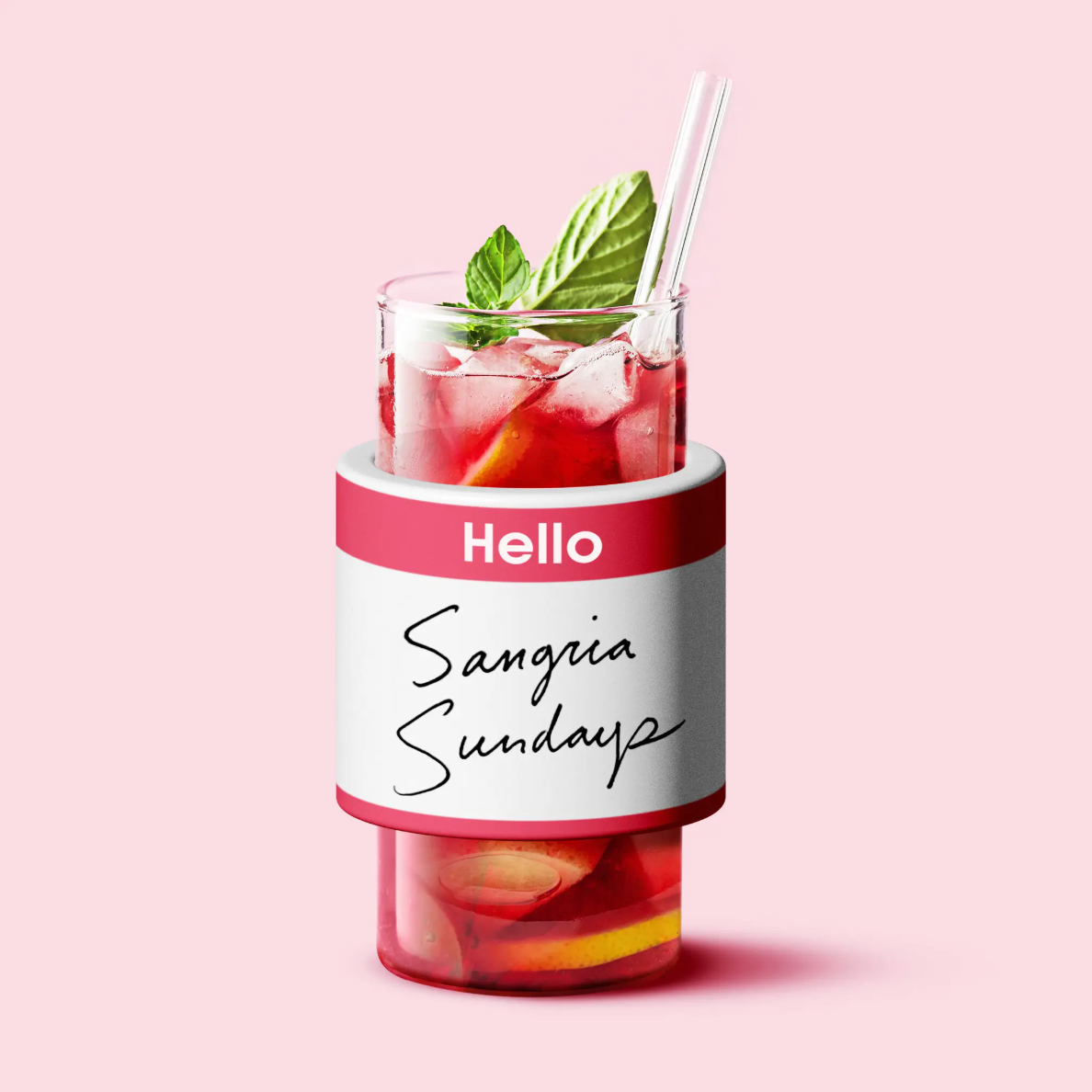
My editor, Patia Braithwaite, is close with her family members. I’ve noticed that when she’s telling me about their quality time together, she’ll throw out names for their gatherings, like Sangria Sundays and Money Club. After a while, I asked her to explain.
“It’s just branding,” she said with a shrug.
Giving a social function a fun name, Patia told me, seems to amuse her family. And when the name sticks, so does the event. That’s how a pitcher of sangria on a random summer weekend became a tradition. And how a group chat about personal finance turned into a quarterly meeting to discuss milestones and goals.
Why do these activities seem so tempting? All Patia did was give them a name. I asked Priya Parker, the author of “The Art of Gathering: How We Meet and Why It Matters,” and she said that she wasn’t surprised.
Gatherings flourish when structure is baked into them, she explained. And framing time together in an intentional way, she added, helps people understand what they’re walking into, how to show up and why it matters.
Branding a family activity can also increase buy-in, which Parker has called “the quiet force behind gatherings that stick.” So I asked experts how to get creative with everyday get-togethers to make them more enticing, fun and easier to initiate.
Finding more excuses to convene, even if they’re small or offbeat, can give us “a portfolio of ways to engage each other,” said Brent Smith, a professor of marketing and associate vice president for executive education at Emerson College. (Dunn, 2025)
The concept of pairing mundane tasks with a fun theme is a unique way to turn necessary group discussions into something more enjoyable. This concept can be applied to planning group trips. Oftentimes, group get-togethers to plan trips can be stressful, tedious, and tiring. However, turning the necessary task into a fun social gathering using this method can allow the process of trip planning to be more enjoyable.
Some gatherings are one-offs, like the tomato surplus party, but others can easily become rituals, said Adam Alter, a professor of marketing at the New York University Stern School of Business and the author of “Irresistible.”
Repetition, Dr. Alter said, “is one of the real drivers of meaning for human beings — spending time with the same people, doing certain things on the same day.”
And branding can be a powerful way to turn a one-time gathering into a ritual, Parker said. “When something has a name, it becomes easier to remember, talk about and return to,” she said.
“Over time, that repetition creates culture,” Parker said. And in families, where habits run deep, a new name such as Sangria Sundays “can be the easiest way to invite a new kind of energy,” she added. (Dunn, 2025)
The concept of turning the trip planning event into a ritual can also be helpful for groups who are budgeting and saving together. A ritual like this would allow the group to discuss how much they have saved, pool money, and get excited for the trip together. This strategy can also lead groups to bond and build stronger connections.
Overall, the concept of pairing mundane tasks with a fun theme can make the trip planning process less stressful, more fun, and more effective. How can I implement this concept into a system that allows travelers to budget, save, and split expenses more effectively?
References.
Dunn, J, (2025, July 4). A Simple Trick for Better Parties. The New York Times. https://www.nytimes.com/2025/07/04/well/better-parties-tips.html
A.I. was not used for this article.