Innovation at LEGO

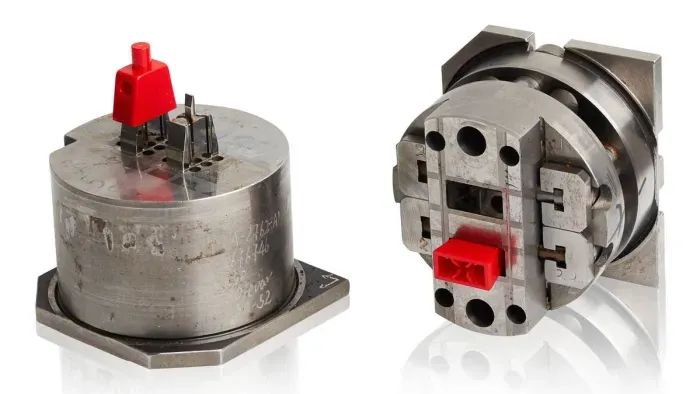
The Lego company is one of the largest manufacturers of ABS plastic products in the world. The company's early history reveals a bold record of taking risks in pursuit of innovation. From its earliest years, the brand sought out new technologies that would transform both its products and the toy industry at large.
Even in its start-up years, LEGO restlessly experimented with new ideas, sometimes making big bets on untested technologies. In 1946,LEGO became the first toy manufacturer in Denmark to acquire aplastic injection molding machine, which cost more than twice the previous year's profits (Robertson, 2013, p. 18).
Breaking from a long tradition of carpentry, the company's founder Ole Kirk Christiansen was drawn to the mechanical and visual properties of plastic and worked for years to create something exciting and new.
The result was the "Automatic Binding Brick," made out of cellulose acetate, which featured the little studs that top today's LEGO brick but was hollow underneath.
Several iterations of the brick were developed and tested with Ole Kirk's son, Godtfred. Eventually, the father-son duo hit a breakthrough with a stud and tube design. The new brick was stackable and modular with bricks of varying sizes; it allowed for endless creative potential.
The tight tolerances and flexible properties of the modern brick, which is made from acrylonitrile butadiene styrene (ABS), allowed the studs and tubes to remain connected through friction. That design, patented in Copenhagen on January 28, 1958, delivered what LEGO continues to call "clutch power."
Ole Kirk's efforts paid off. His choice to invest in a relatively new material with emerging manufacturing methods demonstrates how innovation can take place at anytime, anywhere.
Not a Product but a system The LEGO Group's breakaway success grew out of its ability to see where the toy world was heading and get there first. The company's first farsighted move came when it bet on plastic toys and the future of the brick.
The Lego Group creates products that kids and adults love. Consumers are emotionally attached to these products, and they are often collected and sold as legacy items or passed down through families as heirloom bulk. It is virtually unheard of for Lego to be thrown out in the dump; the products are simply valued too high for too many reasons to be thrown out. Not only are these bricks marvels of engineering, but they encourage creativity, collectability, storytelling, and also community.
References:
Robertson, D. C. (2013). Brick by brick: How LEGO rewrote the rules of innovation and conquered the global toy industry. Crown Business.