Can the Children Handle Themselves? Insights into Self-Soothing
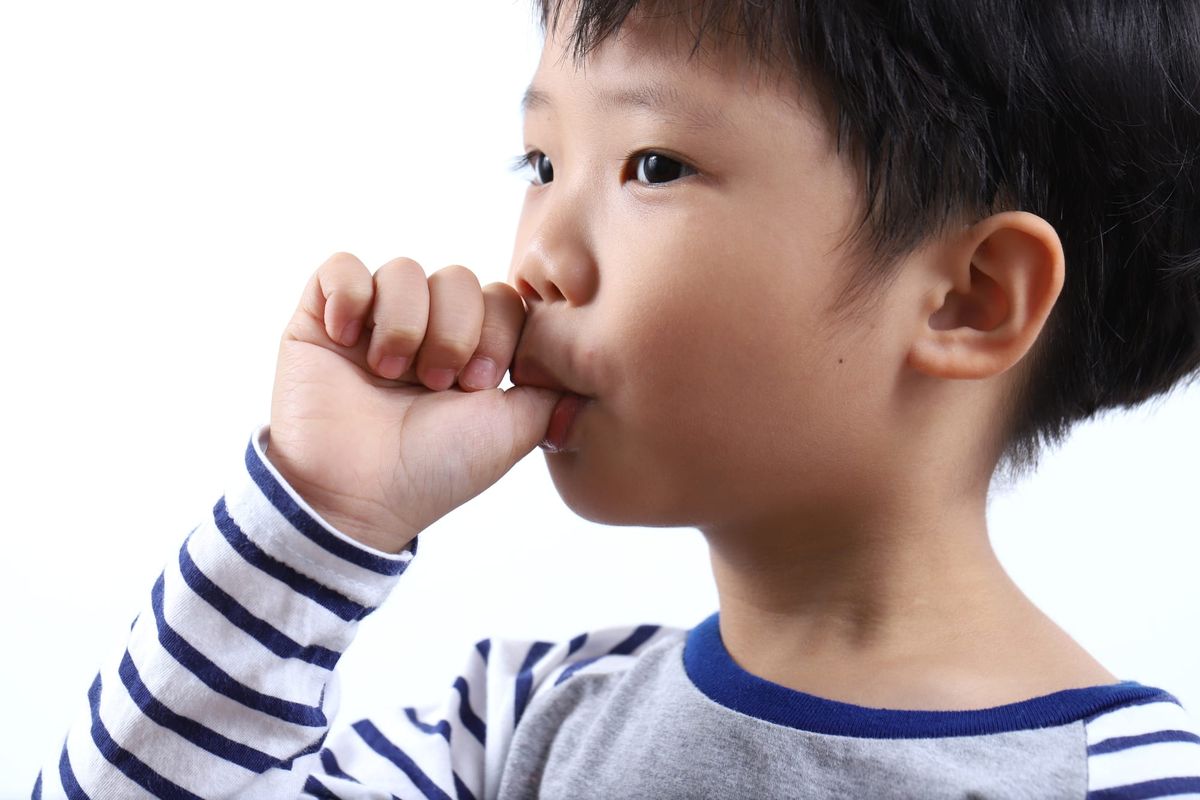
When designing for children, designers may convince themselves that they must give the entire solution. However, education on how to handle the problem could be just as effective in the long term as a pre-packaged solution as explained by Lovino, Koslouski, and Chafouleas:
The acquisition of self-soothing skills begins in early childhood (e.g., thumb sucking and rocking) and can be taught and learned across the life course (Murray et al., 2015). Self-soothing refers to an individual’s efforts or ability to calm themselves when emotionally distressed and during the resultant autonomic nervous system arousal (Wright, 2009). Emotional distress can result from feelings of fear, embarrassment, or anger.
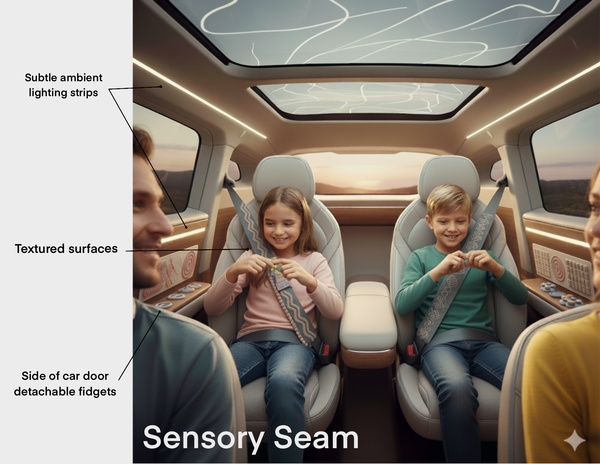
When individuals are distressed, they have minimal cognitive energy to devote to new tasks (Perry et al., 1995). Therefore, self-soothing activities focus on calming the nervous system (Wright, 2009). These activities can soothe by helping to slow rapid heart rate and breathing and relax muscles. They also shift attentional focus from the source of distress, which can be particularly important for individuals to regain a sense of calm. When distressed, shifting attentional focus can be facilitated through strategies that engage the senses (Linehan, 1993) or rhythmic and repetitive movement (Perry, 2009). Rhythm and repetition calm the nervous system by restoring bodily rhythms that promote a sense of safety. Self-soothing kernels facilitate the reactivation of the parasympathetic nervous system (i.e., “rest and digest”), allowing individuals to calm from distressed states and reengage with the broader environment. Positive self-soothing skills have been associated with improved emotional regulation, social interactions with peers, and on-task behavior (Wyman et al., 2010).
Self-soothing skills are important in school environments, helping children to respond to distressing situations (e.g., embarrassment or rejection and feelings of failure or incompetence) and return to learning and optimal levels of engagement with the environment (Cicchetti et al., 1991). Importantly, self-soothing skills can be taught and practiced when individuals are calm and regulated. This allows for processing and learning of the strategies and the development of habits that can be subsequently used during times of emotional distress.
Self-soothing skills seem effective in calming down children and helping them process their emotions. If we stretch the definition, this is similar to the concept of meditation expressed by Honda employees. It's implementation in school settings also implies its effectiveness in environments away from the home. This opens self-soothing to being applicable to the setting of a car.
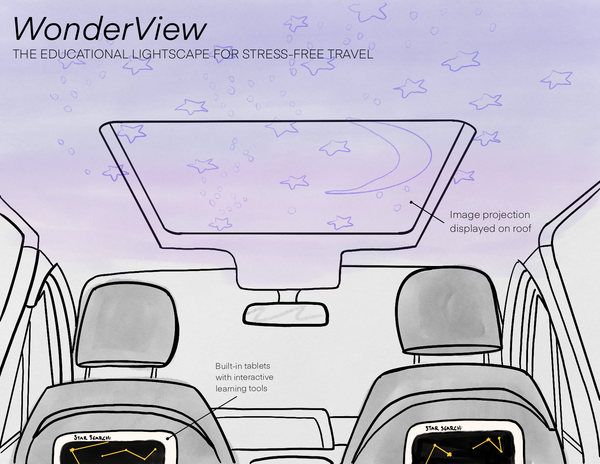
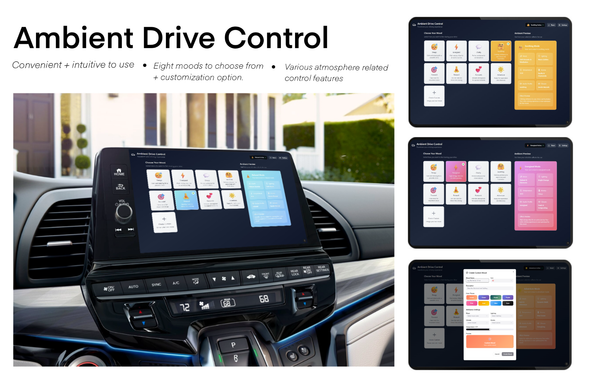
The use of rhythm and repetition in self-soothing could be something facilitated by backseat design. The inclusion of screens planned for future Honda models could assist in providing visuals or sounds that create rhythms and patterns. This could lead to children focusing on something other than the source of their discomfort (sounds, length of trip). Education elements incorporated into these visuals and sounds such as phrases like "breathe in, breathe out" could further the soothing effects while teaching habits to combat stress long-term.
References
Lovino, Emily A. & Koslouski, Jessica B. & Chafouleas, Sandra M. 2021. Frontiers in Psychology. "Teaching Simple Strategies to Foster Emotional Well-Being". https://www.frontiersin.org/journals/psychology/articles/10.3389/fpsyg.2021.772260/full
Ityuan. N.D. Adobe Stock. https://stock.adobe.com/contributor/206407766/ltyuan?load_type=author&prev_url=detail
All original works in this article were done without the assistance of AI tools.