Central Ohio Reuse Coalition to Launch Circular Economy Pilot in Bexley and Columbus
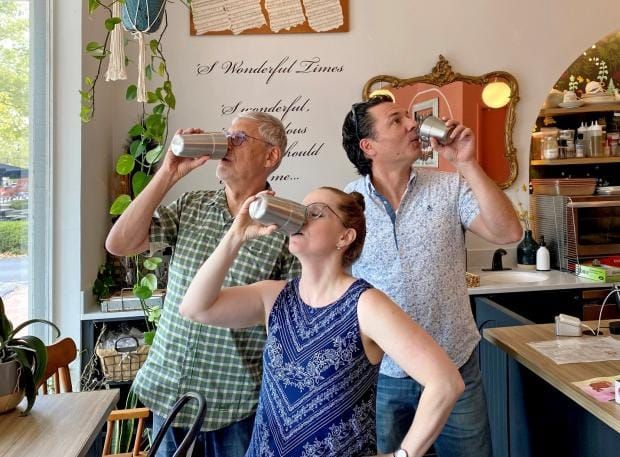
Cafes in Columbus are adopting a reusable cup library for it's patrons to cut down on single use cups. The company, Okapi Reusables, has reached central Ohio and engaged the CORC with their program through downloading an app at participating coffee counters to participate.
The Central Ohio Reuse Coalition (CORC) will launch a first-of-its-kind circular economy coffee shop reuse program in Ohio as an initial step towards reducing the approximately half-million single use coffee cups thrown away in Central Ohio daily. CORC is comprised of nonprofits, local sustainability groups, green businesses, faith-based organizations and committed individuals who live and work in Central Ohio. CORC is also a chapter of the Austin-based Plastic Reduction Project (ColumbusFreePress.com, 2024).
Open loop means that customers are responsible for returning the cups to the shops, where they are sanitized and placed back in circulation for the next customer. In a reuse program, customers check out a reusable cup much like borrowing a book from a library. When they return for their next order, customers check in the dirty cup and check out a clean cup. The coffee shop washes the dirty cups as they would for their dine-in orders (ColumbusFreePress.com, 2024).
Participation and tracking are facilitated by the stainless-steel cup provider, Okapi Reusables, whose platform manages the checking out and returning of the cups (ColumbusFreePress.com, 2024).
CORC’s reuse program has two goals: to provide a healthier and more sustainable model for take-out beverages than disposable cups and begin to make a dent at reducing the more than half-million cups that are thrown away in Central Ohio each day (ColumbusFreePress.com, 2024).
With this programs goal focusing on the wholistic approach to the waste problem, individuals and the city are benefitted by healthier habits and less plastic in the environment.
While accepted as commonplace and even desired because of its convenience, disposable cups are part of a linear “take-make-waste” model where the financial and energy resources invested in its creation are literally thrown away after a single use (ColumbusFreePress.com, 2024).
While disposable cups have a much lower price-point per unit than reusables, the disposable cup model imposes economic and environmental costs to all Central Ohio residents, whether they order takeout coffee or not. Upstream, there are environmental costs associated with the production and transportation of disposable costs. After a single use, disposable cups require local businesses and municipalities to pay for the collection and disposal of these items (costs passed down to the public in the form of taxes and built-in to the price of your takeout order). Downstream, the public assumes the cost when these disposables are dumped into local landfills. Finally, the public suffers from the downstream eyesore of litter in our streets, parks, and waterways (ColumbusFreePress.com, 2024).
By considering the life cycle of a disposable cup, this pilot program is a way to introduce communities to reduce waste by working together with daily choices. This system shows how designers can close loops in other areas and potentially at larger scales in different businesses or product types while bringing together individuals.
Reference.
Central Ohio Reuse Coalition to launch circular economy pilot in Bexley and Columbus. ColumbusFreePress.com. (2024, December 30). https://columbusfreepress.com/article/central-ohio-reuse-coalition-launch-circular-economy-pilot-bexley-and-columbus