Child Car Comfort
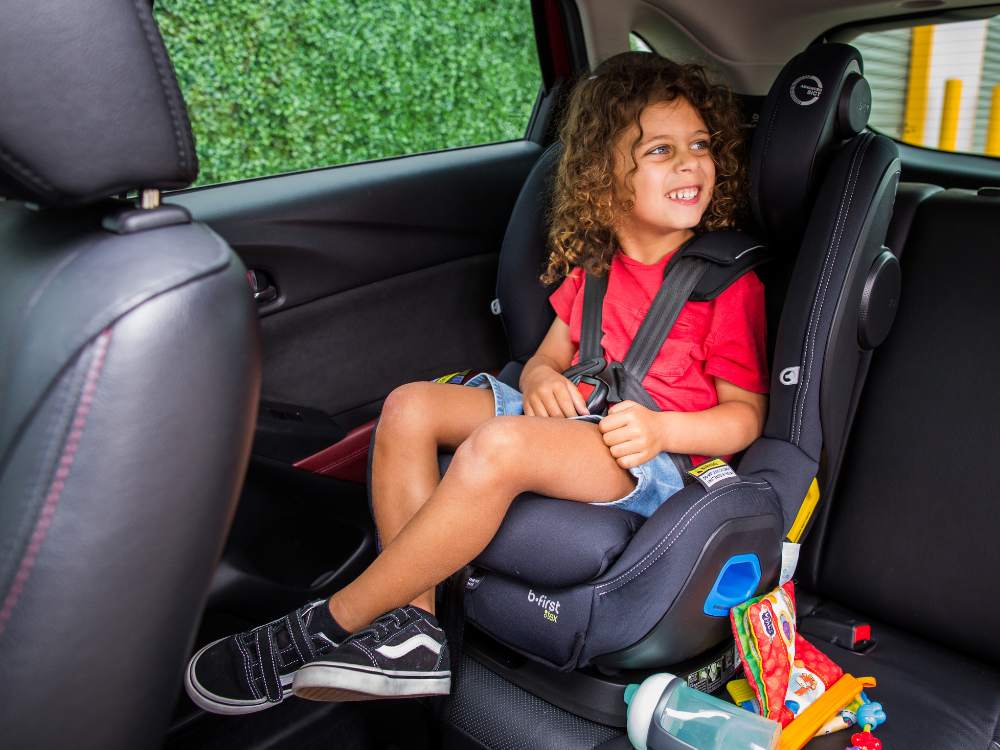
This article is relevant to my research because it frames the in car behavior from a practical problem solving perspective. This article talks about how to keep a child comfortable in a car and it targets ages 0-12. It talks more then simple distraction techniques and goes into the root causes of boredom. A main point in this article is going over "unsafe behavior" by a child like fiddling with buckles or anything that can distract the driver. The key insight from this article is that children's boredom or discomfort can directly lead to safety risks. This is a good opportunity for a design based solution that is both engaging and secure. The advice on using positive reinforcement and pulling over to address misbehavior highlights a critical user need. Tools that empower parents to maintain control and safety without resorting to shouting or unsafe driving.
The article's focus on strategies like planning breaks and providing engaging activities is very important for maintaining a calm environment. It suggests my design intervention should function as a behavioral management tool for parents preventing restlessness from escalating into unsafe situations. This directly informs my approach to designing a solution that addresses both the child's need for engagement and the parent's need for safety and peace of mind. For my design a lot of my focus is on the children’s needs but a different way to look at it is the parents needs. What do the parents need to take care of there kids while also driving safely on the road. In this article they give some suggestions on what you should do to keep a child happy or engaged in the car.
"Keeping children happy and engaged in the car. These tips can help you keep your child happy and engaged in the car:
Chat while you drive. Talking passes the time and distracts your child. Discuss what you’ll be doing when you arrive, or point out sights through the window. You could also play alphabet search.
Enjoy music with your child. You could try children’s music apps, check out our Baby Karaoke, play car karaoke or recite some nursery rhymes.
Try an audio story.
Provide plenty of safe distractions for your child, like soft, hand-held games or books.
Give your child some healthy snacks and drinks. This is safe if your child is in a forward-facing child car seat and you can see what your child is doing."
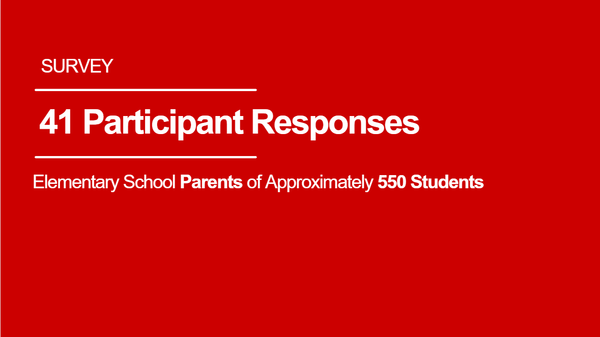
This information is valuable because in my survey I can directly ask parents about which of these methods they currently use to manage their child's restlessness. I can also ask what other methods they use in the car. Understanding what strategies are most common and which ones are least effective will help me identify specific pain points and opportunities for my design solution.
Reference.
Raising Children Network (Australia). (2025). Child car comfort. Raising Children Network. https://raisingchildren.net.au/preschoolers/safety/car-pedestrian-safety/child-car-comfort
This passage draws on Raising Children Network’s Child Car Comfort and Safety article (~45%) as the original source, incorporates the author’s own analysis and design-oriented applications (~35%), and uses AI support to synthesize the article’s key insights, refine phrasing, and frame implications for design research (~20%). All interpretations remain the responsibility of the author.