Color Theory: What Can It Do for Our State of Well-being?
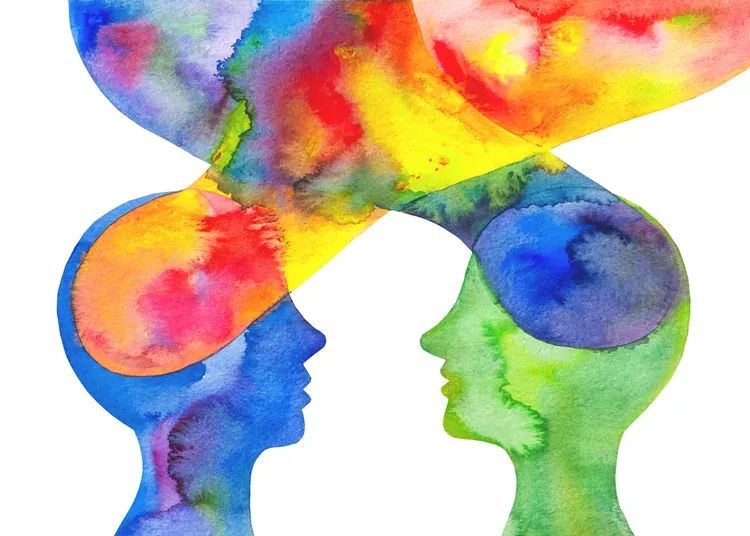
Through this article, I am exploring how the careful selection of color can transform the chaotic, often frustrating, experience of a car's backseat.
Color is a powerful communication tool and can be used to signal action, influence mood, and even influence physiological reactions. Certain colors have been associated with physiological changes, including increased blood pressure, increased metabolism, and eyestrain.
"It's amazing how colors can truly impact our mood and influence our behavior," says Rachel Goldman PhD.
"Take a moment to think about a familiar space to you, is there a color that stands out about that space? Think about your clothes and how different colored clothing makes you feel when you wear them. Perhaps the next time you are feeling kind of blah, think about this and see if your mood shifts by wearing a different color. Many times, it's the small things that can have the largest impact."
The scientific exploration of color psychology is relatively new, but people have long been interested in the nature and impact of color. In ancient cultures, colors were often used to treat different conditions and influence emotions. They also played a role in different spiritual practices.
Why is color such a powerful force in our lives? What effects can it have on our bodies and minds? While perceptions of color are somewhat subjective, some color effects have universal meanings.
Colors in the red area of the color spectrum are known as warm colors and include red, orange, and yellow. These warm colors evoke emotions ranging from feelings of warmth and comfort to feelings of anger and hostility.
Colors on the blue side of the spectrum are known as cool colors and include blue, purple, and green. These colors are often described as calm, but can also call to mind feelings of sadness or indifference. (Cherry, 2024)
This research is an investigation into color psychology, not as a trend, but as a critical tool for shaping mood. Colors like blue and green are scientifically linked to feelings of tranquility, while the warmth of a red can be associated with hostility. The insight this provides a foundation for various decisions I will need to make.
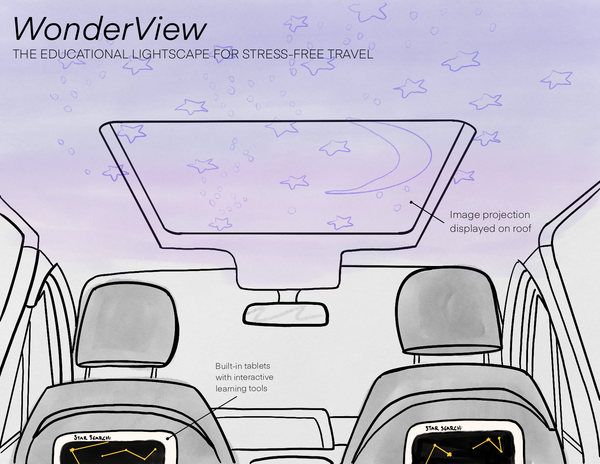
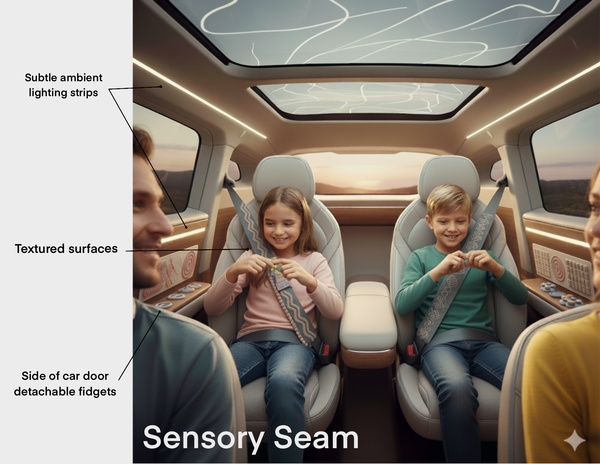
Right now, I am considering how a dynamic lighting system could shift in the interior of a vehicle. From a bright, invigorating yellow for morning drives to a soothing, soft blue for a child's nap. I am also exploring how color can be interwoven with other sensory elements. What if a calming fabric texture is paired with a specific hue to amplify its effect, creating a cohesive, multi-sensory experience? My design challenge is to create a "sensory oasis" where the visual and tactile elements of the car's interior are synchronized to reduce stress and foster a sense of security for both the parent and child.
References.
Cherry, K. (2024, February 20). Color psychology: How colors affect mood, feelings, and behaviors. Verywell Mind. https://www.verywellmind.com/color-psychology-2795824
Grammarly. (n.d.). https://app.grammarly.com/