Columbus Citywide Zoning Code Update
With my special interest being the future of recycling, I thought it was fitting to look into the future of Columbus as a whole after a weekly meeting with our teams point of contact, Glennon. Her background is in City and Regional Planning and she has a lot of insightful knowledge on the topic. Looking at how the city will be rezoned, could potentially play a factor in how communities interact and evolve in time. Which goes hand in hand with their involvement among programs available to them like recycling. With areas changing there is a potential change in waste management streams as well.
For the first time in 70 years, the City of Columbus, Ohio selected a multi-disciplinary team to complete a comprehensive update of the City’s zoning code to align with their housing and transportation goals (Columbus citywide zoning code update, 2024).
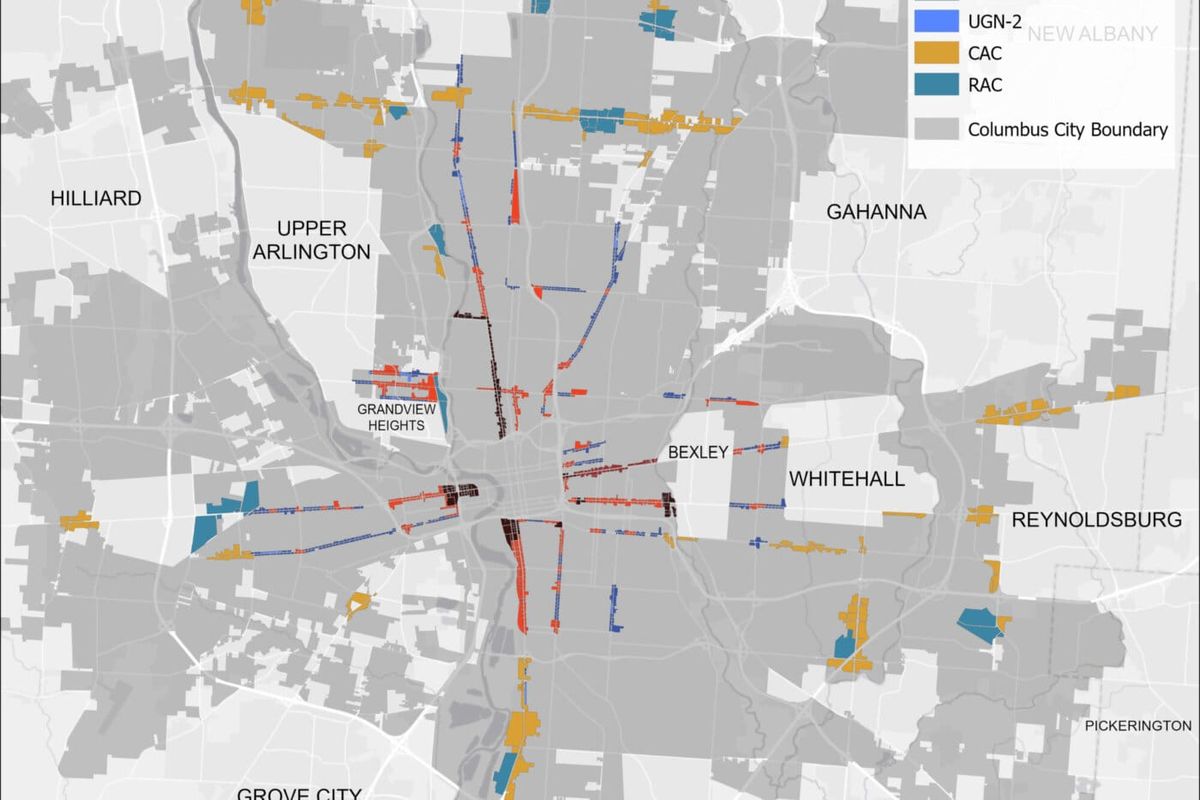
Unanimously adopted in July 2024, the innovative and ambitious new code makes way for 88,000 new housing units along the City’s key transit corridors, a 93% gain from the previous code. This was accomplished by 6 new mixed-use districts which allow residential development “by right”, incorporate objective design standards, and eliminate minimum parking requirements, all drastically reducing entitlement and construction costs, and making housing and mixed-use development, more equitable, easier to build with more predictable results. The City is committed to accommodate population growth and concentrate development in high opportunity areas while maintaining equilibrium in traditional, stable neighborhoods. The LWC-led team included top planning and design firms in the Country; Opticos Design, Inc., Cascadia Partners, Siegman and Associates, Warhol and Wallstreet, MKSK, and Peter J. Park, LLC (Columbus citywide zoning code update, 2024).
“Zone In” aims to:
-Modernize the Columbus zoning code to reflect the community’s current and future needs, values and aspirations.
-Support growth that prioritizes environmental and economic sustainability through improved transit, additional housing opportunities and the creation of job centers.
-Encourage thoughtful investment in neighborhoods that have experienced racial and economic segregation and help undo the harm caused by past urban development policies.
-Guide the design and development of main streets, neighborhoods and activity centers to support community goals while celebrating the unique character of our neighborhoods and creating a sense of place for residents.
-Ensure the Columbus zoning code is fair, understandable and accessible (Columbus citywide zoning code update, 2024).
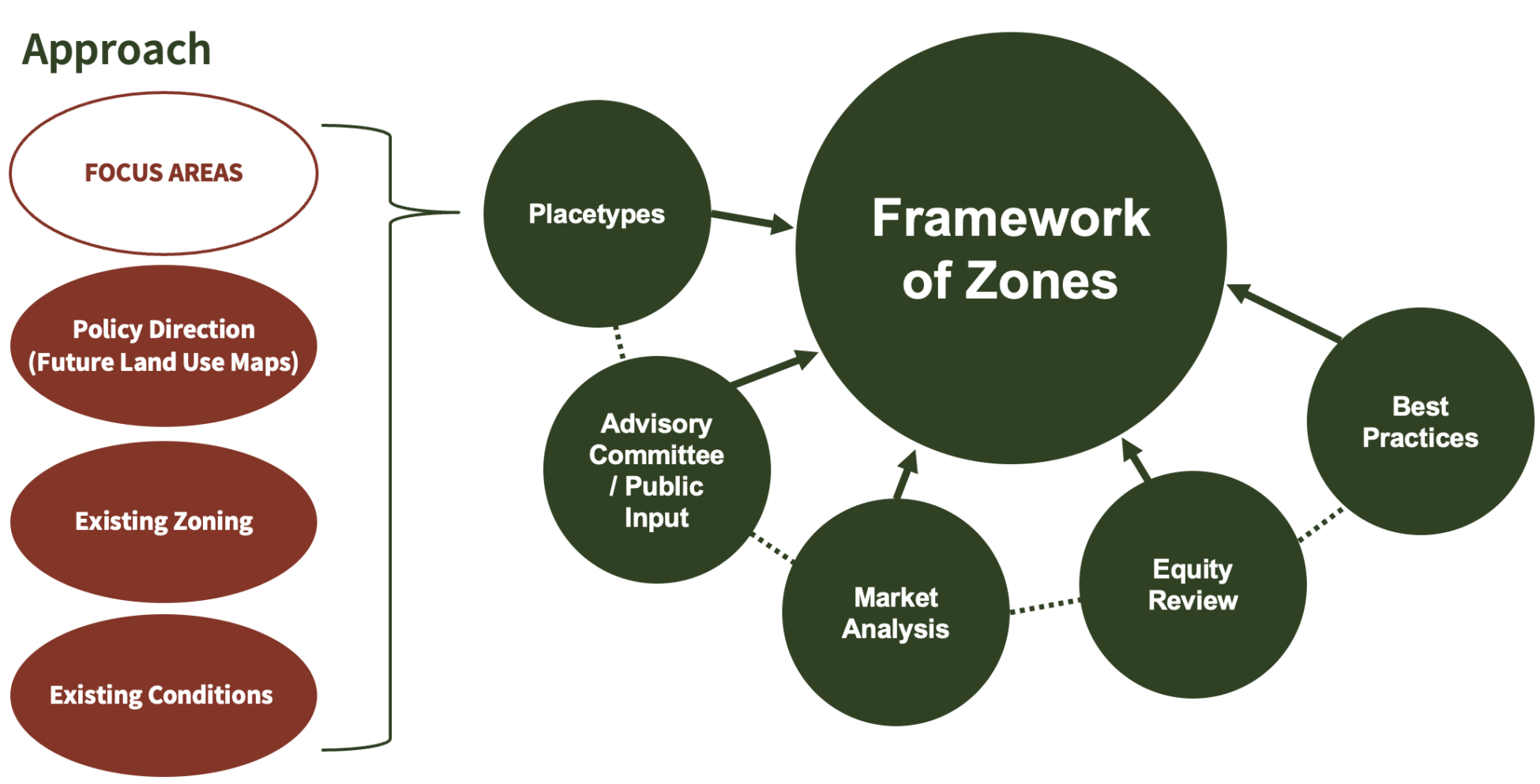
Columbus does not have a comprehensive future land use map to direct future zoning, therefore, Opticos used a Place Type approach that cataloged existing lot sizes through GIS, studied existing building form, and compiled the future land use direction from over 30 area plans as well as recent transit planning efforts. Opticos used this analysis to define and map a spectrum of auto-oriented to urban places that informed the zoning designations (Columbus citywide zoning code update, 2024).
After Glennon shared that cities usually should rezone every 10 years, it is shocking that Columbus has waited so long with how much is is rapidly growing. The rezoning will allow the city to have the space it needs to grow and hopefully allow the right resources to fall into place. With the expansion there comes more waste and opportunities to use that waste productively. I wonder how trash and recycling services will be able to keep up with the population increasing, and if there is a design opportunity within the growth of these communities. The work that the Neighborhood Design Center already does with communities in the area is impactful, but are there other avenues that designers could help with to create a sense of belonging in a community area?
Reference.
Columbus citywide zoning code update. Opticos Design. (2024, October 16). https://opticosdesign.com/work/columbus-ohio-citywide-zoning-code-update/