Corn PLA as a Possible Material
Angler waste, particularly from discarded bait cans, poses a significant environmental challenge in aquatic ecosystems. Innovative approaches are being explored to mitigate this issue while enhancing fish habitats. Interviews with the Indiana Department of Natural Resources (DNR) revealed that they are utilizing polylactic acid (PLA) to create artificial habitats in their man-made water systems. This biodegradable material offers a promising avenue for sustainable habitat enhancement.
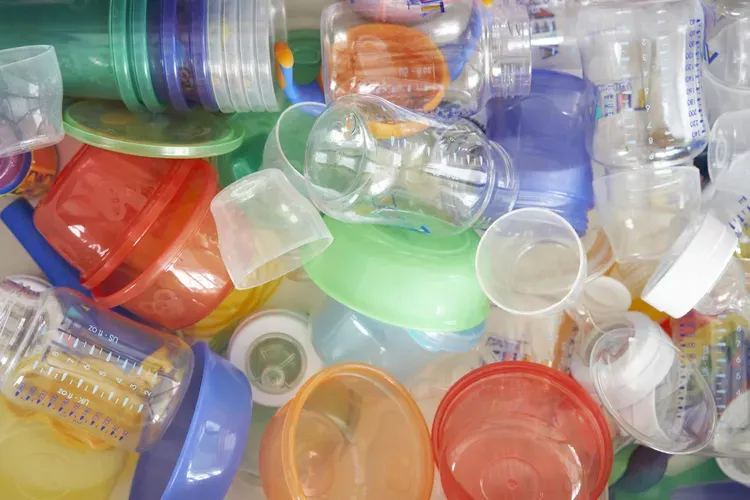
Polylactic acid (PLA), a plastic substitute made from fermented plant starch (usually corn) is quickly becoming a popular alternative to traditional petroleum-based plastics. As more and more countries and states follow the lead of Italy, South Africa, Turkey, Uganda and San Francisco in banning plastic grocery bags responsible for so much so-called “white pollution” around the world, PLA is poised to play a big role as a viable, biodegradable replacement.1
Proponents also tout the use of PLA, which is technically “carbon neutral” in that it comes from renewable, carbon-absorbing plants, as yet another way to reduce our emissions of greenhouse gases in a quickly warming world. PLA also will not emit toxic fumes when incinerated...
However, there are still issues with the use of polylactic acid such as its slow rate of biodegradability, its inability to mix with other plastics in recycling, and its high use of genetically modified corn (though arguably the latter could be one of the good effects of PLA as it provides a good reason to alter crop yields with genetic splicing).
Integrating PLA into bait cans could transform them into functional components of fish habitats. As these PLA-based cans degrade, they would provide structural complexity and shelter for aquatic life, aligning with the DNR's efforts to enhance fish habitats using biodegradable materials. These would offer temporary structures until their degradation, that I believe would never be in short supply.
References.
West, L. (2020, December 7). Are Corn-Based Better than Petroleum-Based Plastics? Treehugger. https://www.treehugger.com/pros-cons-corn-based-plastic-pla-1203953
Aliina Lange’s original interviews with the Indiana DNR and personal research on angler waste and PLA-based habitat design contributed ~40%; the author’s conceptualization of applying PLA bait cans as degradable fish habitats contributed ~40%; AI (ChatGPT, GPT-5 mini) contributed ~20% by synthesizing information from Treehugger, organizing content, and drafting the literature review. All interpretations and conclusions remain the responsibility of the author.