Design as a Force of Nature

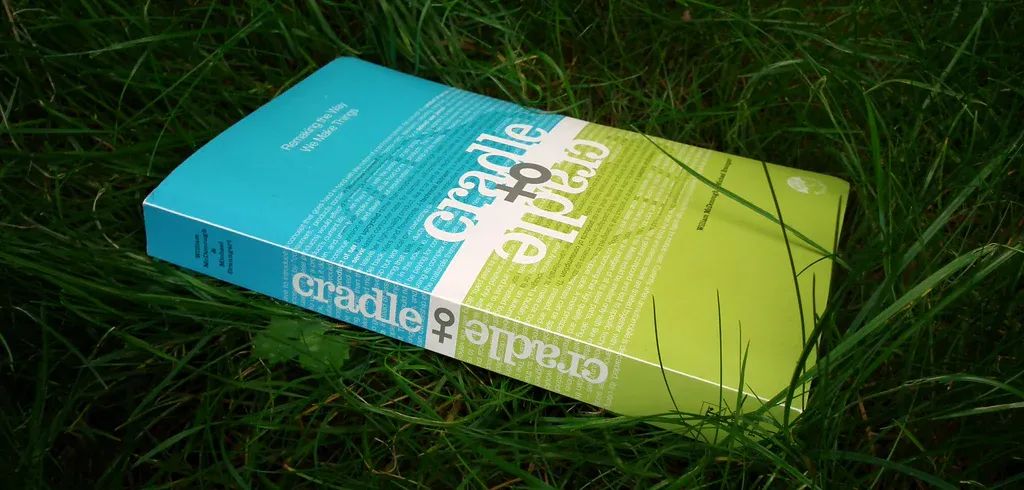
Cradle to Cradle is considered a landmark book in the design and civil engineering spaces. Written in 2002 by product designer's William McDonough and Michael Braungart, it addresses fundamental flaws in the way the modern world creates products. Chiefly, most products are made, consumed, and disposed of. This is in direct contrast to how nature creates.
Consider the cherry tree: thousands of blossoms create fruit for binds, humans, and other animals, in order that one pit might eventually fall onto the ground, take root, and grow. Who would look at the ground littered with cherry blossoms and complain, 'how inefficient and wasteful!' (McDonough, W., & Braungart, M. , p. 74).
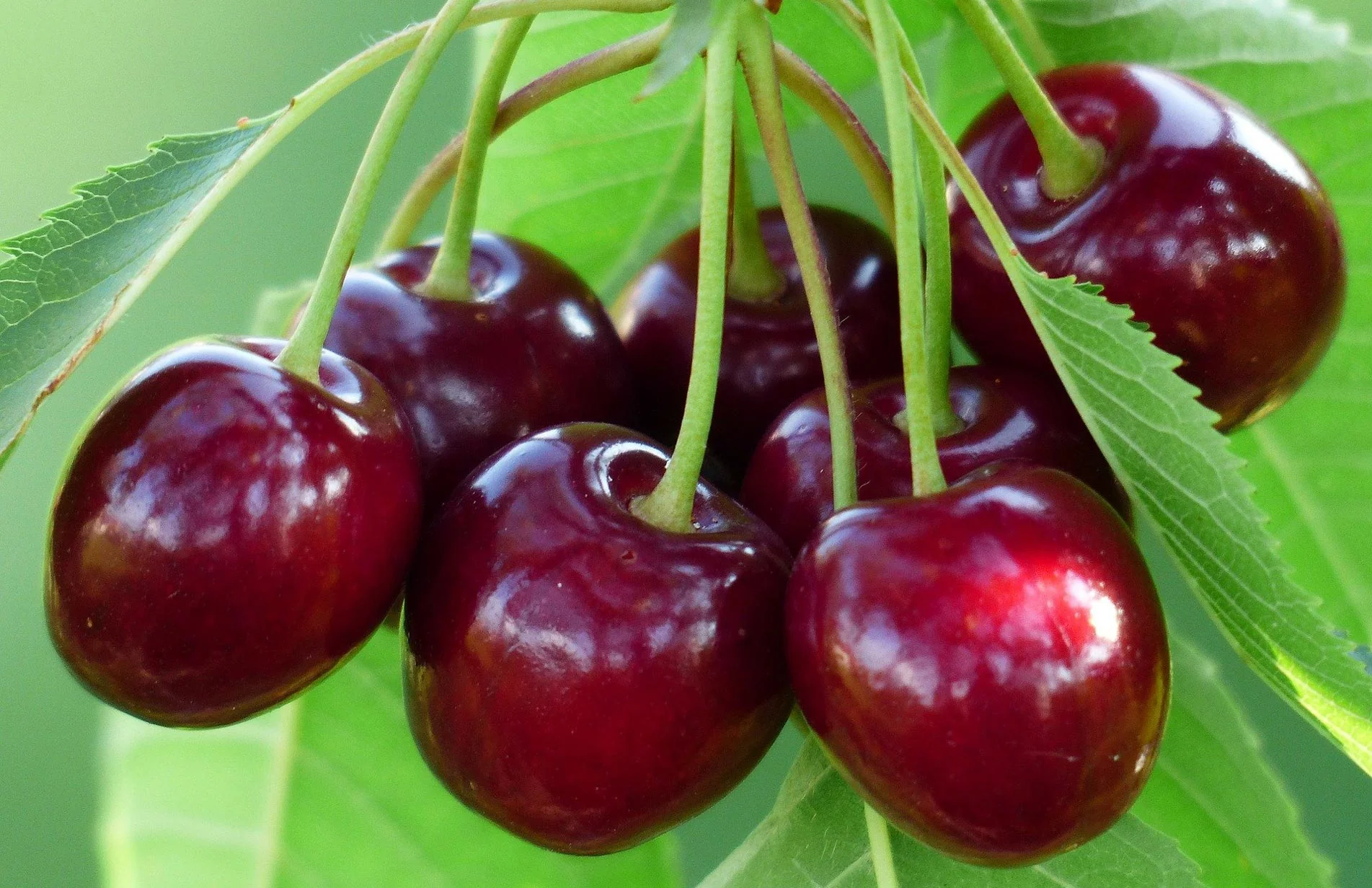
What might the human-built world look like if a cherry tree had produced it?
The authors go on to apply natural design principals to the built environment. They consider the effects of sunlight on windows and the value of open air space. For these designers, the world and products we make are all about creating abundant goods for people and planet. Design should always be a win-win.
We know what an eco-efficient building looks like. It is a big energy saver. It minimizes air infiltration by sealing places that might leak.
Here's how we imagine the cherry tree would do it: during the daytime, light pours in. Views of the outdoors through large untinted windows are plentiful-each of the occupants has five views from wherever he or she happens to sit. Delicious, affordable food and beverages are available to employees in a cafe that opens onto a sun-filled courtyard.
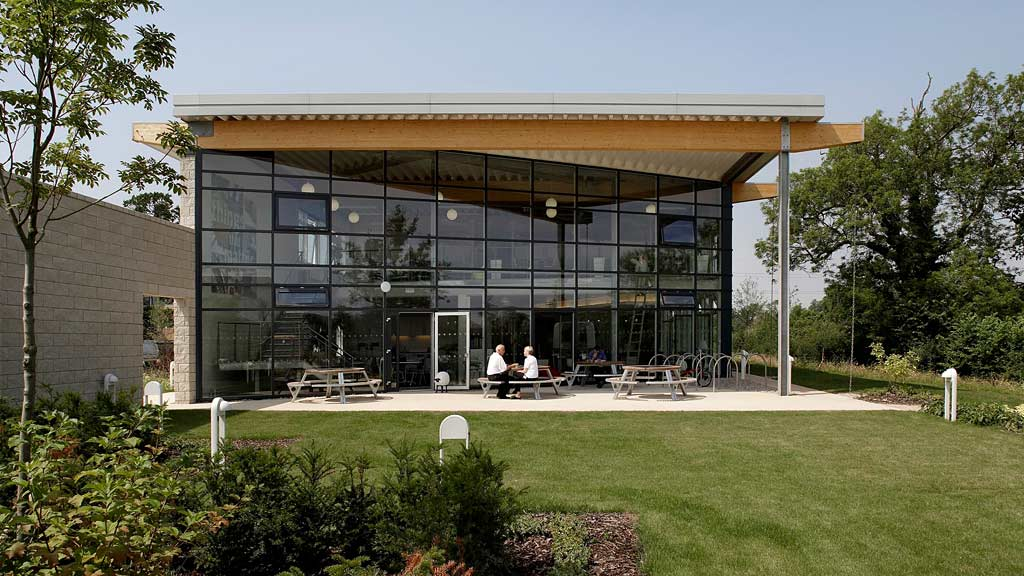
What's most noble about Cradle to Cradle is not just its positive outlook on the future of eco-inspired design, but also the message that human presence and relationship to nature is a good thing. Further, the authors have real industry experience and reinforce their philosophy with practical steps for designers and engineer teams. They continue with the cherry tree inspired building:
In fact, this building is just as energy-efficient as the first, but that is a side effect of a broader and more complex design goal: to create a building that celebrates a range of cultural and natural pleasures- sun, light, air, nature, even food—in order to enhance the lives of the people who work there.
Let's take a closer look at that cherry tree. As it grows, it seeks its own regenerative abundance. But this process is not single-purpose. In fact, the
tree sets in motion a number of positive effects.
References:
McDonough, W., & Braungart, M. (2002). Cradle to cradle: Remaking the way we make things. North Point Press.