Designing in the Spirit of Play
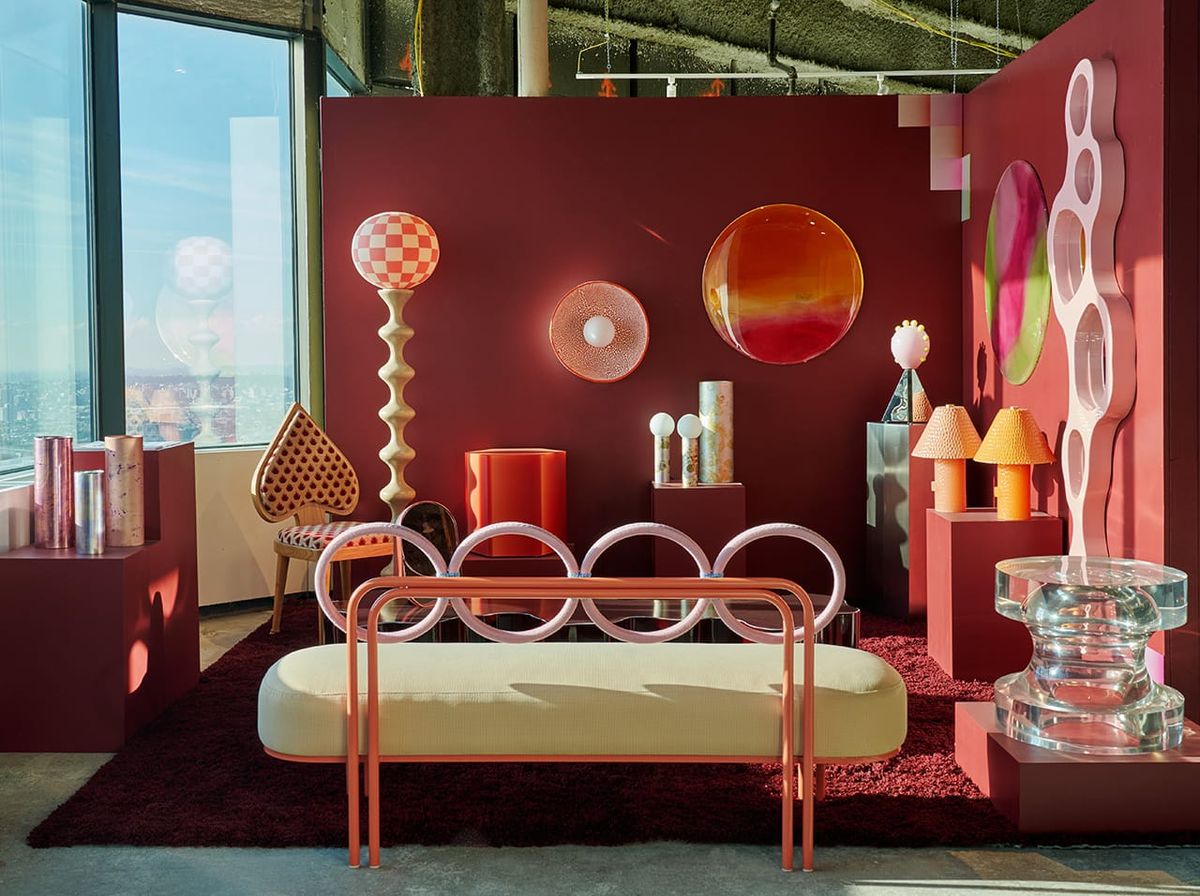
What inspired me about AFTERGLOW is how it proves that even the most ordinary objects can become inspiring when approached with a sense of play. That idea feels especially relevant when thinking about designing for children, they need more than just functionality, but rather something inviting.
In a world of optimization, hyper-independence, and ultimately, a loss of style, a collection that stands in opposition to these seemingly inevitable eventualities is truly delightful. Debuting at Collectible NYC this year, AFTERGLOW by Tuleste Factory gambols in the theatrical, unafraid of whimsy and creating something new. Distinctive motifs from decks of cards clash playfully with bright checkers, reflective glass surfaces picking up the bright city sun. With meticulous detail and craftsmanship, AFTERGLOW blends unconventional materials and form language to create a cohesive and fun collection.
This isn’t going to be everyone’s cup of tea – and that is exactly the point. Pieces such as the Tidepool Mirror by Bert Furnari or the Java Pink Lamp by Streicher Goods evoke a certain sense of organic wonder, clearly born from a love of the natural world. This sense of bringing the outside in is nothing new, yet we seem to have collectively forgotten where we come from, so to speak, in favor of increased refinement. “Rules direct us to average behaviors. If we’re aiming to create works that are exceptional, most rules don’t apply. Average is nothing to aspire to,” writes Rick Rubin in The Creative Act: A Way of Being. “The goal is not to fit in. If anything, it’s to amplify the differences, what doesn’t fit, the special characteristics unique to how you see the world.”
Turning to more geometric sensibilities, yet with a similar performance quality, as if putting on a show, pieces like Hex Box by Facture Studio and Gimp Sofa No.1 by Laura Casañas Maya shine in a self-made spotlight. Other notable pieces include the Echo II Side Table by Ian Alistair Cochran, shown here in Crystal Clear, and the Hozcal Lamp by Merve Kahraman, for it’s absolutely delightful checkered globe sitting atop a wavy base. These pieces make orthogonal sense of the explosion of color, creating welcome delineations among the transparent or reflective show.
This collection dealt very strongly with light, not only in its creation but reflection and refraction. The Baggage Claim-M mirror by Muge Kahraman, shown here in Rose, evokes a precision and cleanliness that we have certainly never felt at the airport, elevating a stressful or mundane task into high design. Lolli by Courtney Kinnare offers layers of translucent resin over mirrored glass, creating a remarkable depth in the wall art design.
Kahraman’s Chicklet Table Lamp is perfectly presented on Zoé Wolker’s Ame II Pedestal in Brushed Stainless Steel, while Studio Loop Loop’s Cambium Vases and Tables Lamps add whimsy with their marble-like finishes.
Tuleste Factory is a New York-based art and design gallery founded by sisters Satu and Celeste Greenberg, seeking to create connection between designers, consumers, and communities. By championing artists and offering a space where expression and commerce intersect, they are creating more room for all in art and design. As circles and bottom lines tighten, their approach is expansive, overarching multiple industries for a holistic, and ultimately pretty attractive approach. (Lee, 2025)
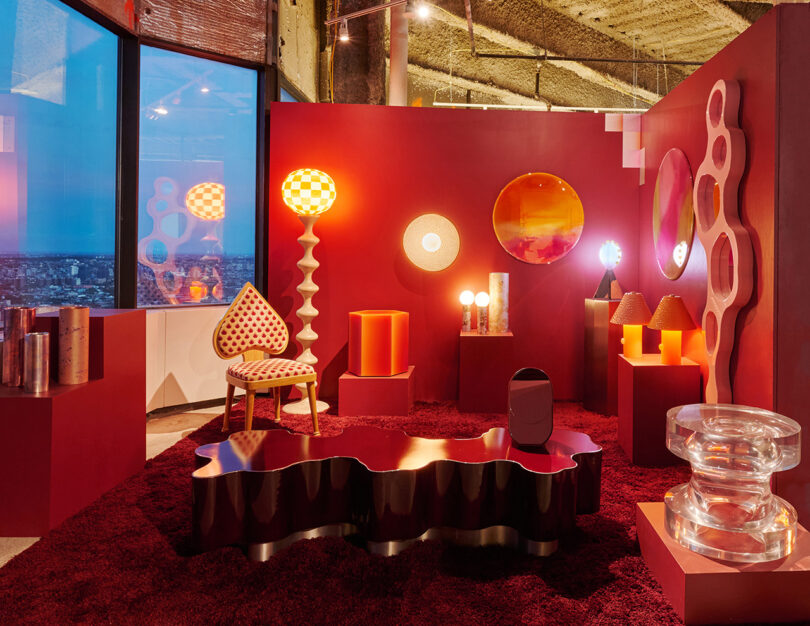
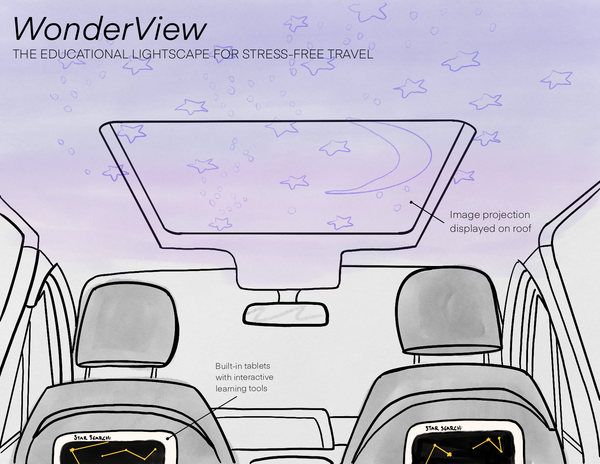
The collection’s use of light stood out most to me: glowing surfaces, shifting colors, and reflections that bring a sense of energy and delight. This sense of engagement has the ability to foster moments of calm in otherwise stressful environments. By encouraging visual exploration, it offers viewers a chance to pause and reconnect with the joy of simple, sensory experiences. Which has furthered my interest in exploring how creativity, playfulness, and stillness can coexist. What I take away from this article is a reminder not to shy away from whimsy or uniqueness, but to use it to create an environment that nurtures both imagination and well-being.
References.
Lee, A. (2025, September 18). Afterglow from Tuleste Factory embodies a spirit of play. Design Milk. https://design-milk.com/afterglow-from-tuleste-factory-embodies-a-spirit-of-play/
This reflection draws ~40% from Design Milk’s article “AFTERGLOW From Tuleste Factory Embodies a Spirit of Play” (2025), ~30% from the author’s own framing of the capstone context and design intentions, and ~30% from AI assistance (synthesizing article content, editing for clarity, and expanding argumentation). All interpretations and final perspectives remain the responsibility of the author.