Existing Fines and Penalties for Littering
This article explains how littering is legally defined across jurisdictions, the kinds of penalties offenders may face (from fines to jail time), and what factors (severity, intent, repeat offenses, environmental harm) influence sentencing. It also examines alternative or rehabilitative sanctions like community service and educational programs as tools to deter littering and encourage more responsible environmental citizenship.
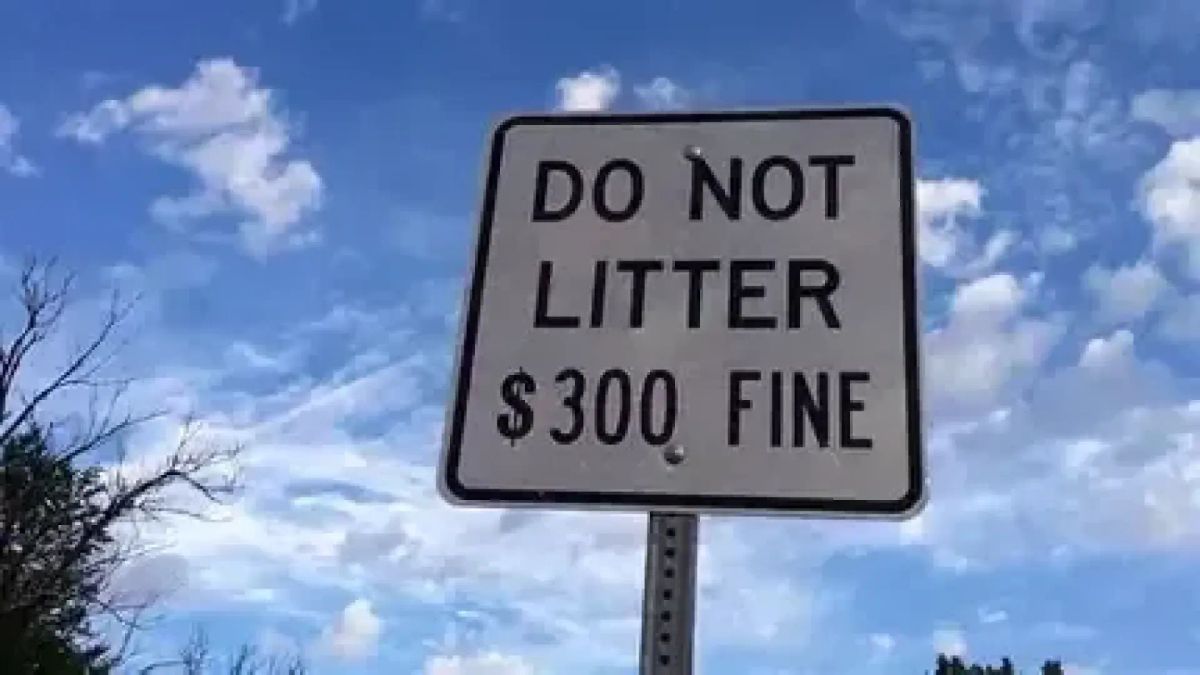
Criminal penalties for littering serve as a deterrent against irresponsible waste disposal. These penalties vary widely across jurisdictions. In some regions, offenders may face modest fines. For example, in Texas, individuals caught littering can be fined up to $500 for a first offense. As severity escalates with repeated violations or larger amounts of waste, penalties can become more substantial.
In other locations, penalties include community service requirements, where offenders participate in cleanup efforts. This addresses the immediate impact of littering and promotes environmental consciousness. In California, offenders may be required to spend up to 24 hours collecting litter or performing other community services related to environmental protection.
Jail time, though less common, is reserved for egregious cases or individuals demonstrating a pattern of non-compliance. In New York, repeated offenses or dumping hazardous materials can lead to incarceration, underscoring the seriousness with which certain jurisdictions treat littering...
The environmental impact of the offense is another factor in determining penalty severity. Offenses resulting in significant harm, such as illegal dumping of toxic substances, are treated more seriously. In Oregon, disposing of hazardous waste in protected areas can lead to severe penalties, including imprisonment.
The legal frameworks detailed in the article highlight how formal regulation plays a critical role in lessening the environmental impacts of recreation. Strict penalties for littering reinforce norms of care, especially when coupled with requirements like community cleanups or education. Such measures not only punish harmful behavior but also help push stewardship by making people accountable and involved. When recreational users are aware of consequences for littering, they are more likely to follow low-impact practices. A quote that one of my interviews resulted in was "If you are made to clean up another person's trash, you are less likely to leave trash yourself." This concept helps protect ecosystems, reduce pollution, and preserve the natural experiences that draw people outdoors in the first place.
References.
Legal Consequences and Penalties for Littering Offenses. (2024, November 18). LegalClarity. https://legalclarity.org/legal-consequences-and-penalties-for-littering-offenses/
Littering Fine Sign. (2021). Inspiredpencil.com. https://ar.inspiredpencil.com/pictures-2023/littering-fine-sign
This text reflects contributions from the original article Legal Consequences and Penalties for Littering Offenses published on LegalClarity.org (~45%), the author’s direction in requesting structure and conservation-focused analysis (~35%), and AI assistance in summarizing, excerpting, synthesizing, and composing the review (~20%). All interpretations remain the responsibility of the author.