Fish monitoring used as proof of conservation

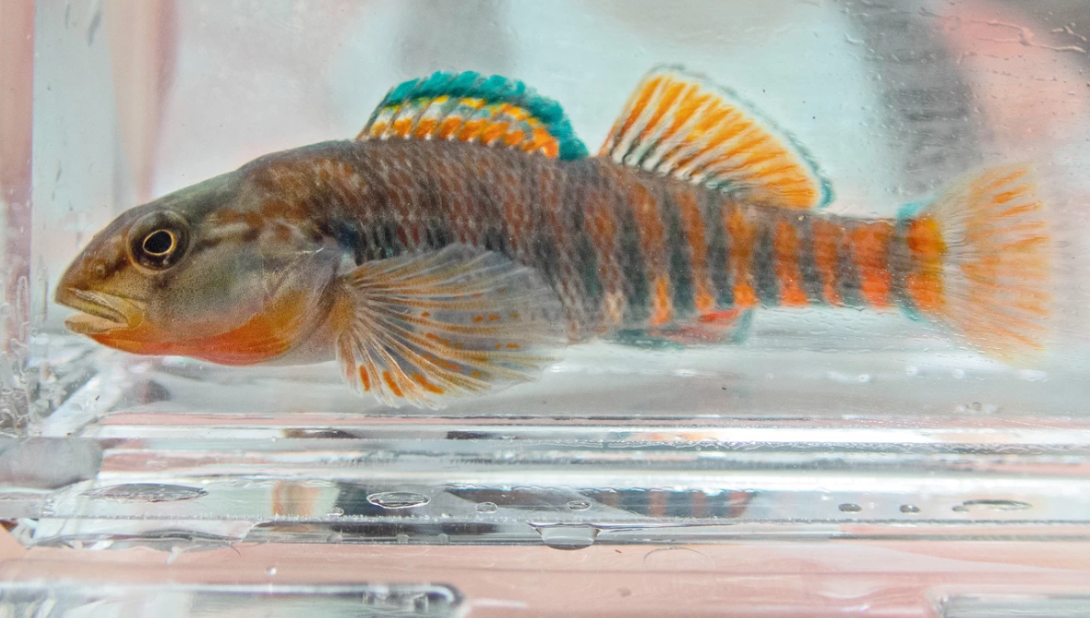
National Park Service (NPS) is an organization that is entrusted with the care for national parks. They strive to connect communities, preserve local history and protect the land. This study shares the results of monitoring fish population and how it can speak towards the efforts for conservation.
This excerpt from the study discusses the importance of conservation and how fish can measure conservation:
“Streams and rivers are critical to the people, animals, and plants that live in and around them. They provide habitat for fish and other aquatic species. They serve as sources of water for agriculture, cities, and towns. But they’re being degraded faster than most other ecosystems. One strategy used to help conserve them is to establish protected areas like national parks” (Tzilkowski, 2025).
"Our data showed that fish communities remained virtually unchanged at New River Gorge, which was excellent news. At Delaware Water Gap, only a few species showed potential declines. Those species (e.g., bluegill and yellow perch) were primarily “unexpected” non-native or pond species, so their absence was a welcome discovery. They likely entered streams from impoundments upstream of park boundaries" (Tzilkowski, 2025).
Fish communities remained mostly unchanged at New River Gorge and only a few species showed potential declines. The species that showed decline were primarily non-native species, such as bluegill and yellow perch, so their absence meant the ecosystem is healthy. For the more endangered species, like the American eel, they were more widely seen throughout the area, even stronger proof of the effects of conservation.
"This research highlights the vital role of national parks in protecting native fish and their habitats. The study also underscores the necessity of long-term inventory and monitoring. Without it, we wouldn’t have had historical data to compare with our results. So we wouldn’t have known which species had or hadn’t declined in numbers. The stability of fish communities in these two parks is encouraging. But ongoing monitoring and active management are essential. They will help ensure that the parks continue to be sanctuaries for native freshwater fish" (Tzilkowski, 2025).
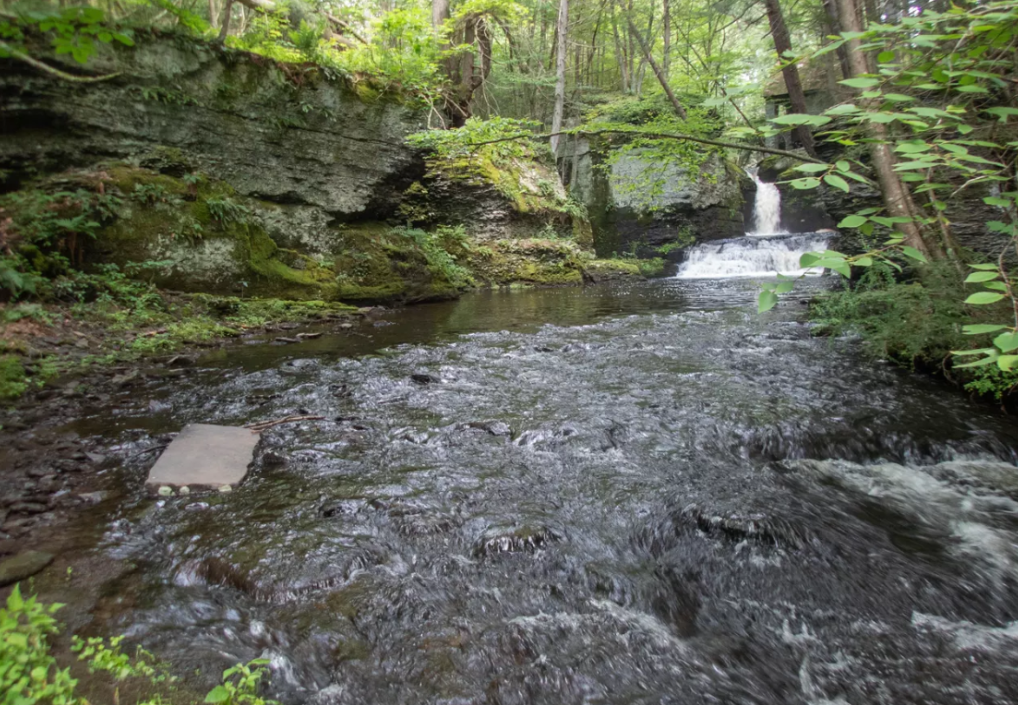
By studying the fish population, people can determine a park’s role in conservation and even how well the park protects their land and wildlife. Designers can potentially play a role in conservation by spreading awareness of the importance bodies of water are to the ecosystem.
References.
Tzilkowski, C. J. (2025). A Fish Study’s Promising Results Highlight Parks’ Role in Conservation. Nps.gov. https://www.nps.gov/articles/000/psv39n2_a-fish-studys-promising-results-highlight-parks-role-in-conservation.htm
National Park Service. (2023). An adult male rainbow darter, captured during stream fish monitoring. https://www.nps.gov/articles/000/psv39n2_a-fish-studys-promising-results-highlight-parks-role-in-conservation.htm
National Park Service. (2023). Site visit photo of a wadeable stream reach taken during fish monitoring at Delaware Water Gap. https://www.nps.gov/articles/000/psv39n2_a-fish-studys-promising-results-highlight-parks-role-in-conservation.htm