Fishing and Its Effects on Freshwater Ecosytems
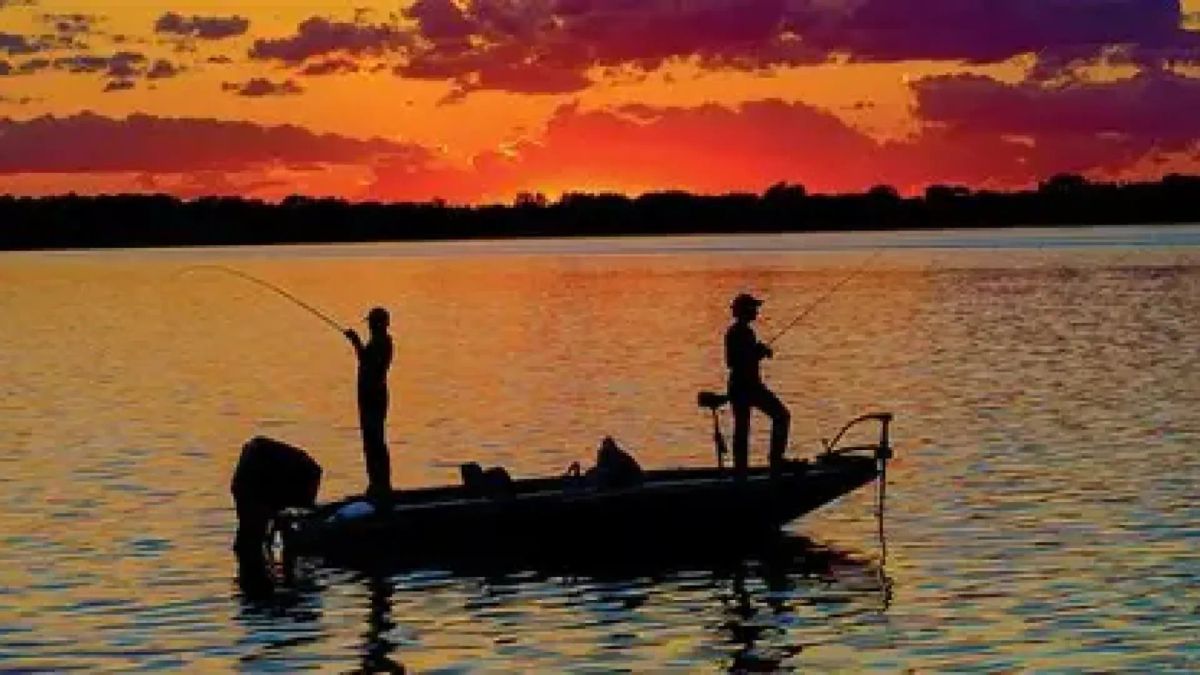
Fishing practices significantly influence freshwater ecosystems, affecting biodiversity and habitat quality. While fishing supports local economies and provides recreational opportunities, it also contributes to environmental challenges such as overfishing, habitat degradation, and pollution. Addressing these issues requires a comprehensive understanding of fishing's impact and the implementation of sustainable practices.
Fishing, when managed sustainably, can actually contribute positively to conservation efforts. Here's how:
Community-Based Management: Involving local communities in managing fishing activities ensures that conservation measures are tailored to regional ecological and socio-economic contexts, enhancing their effectiveness.
Sustainable Practices: Adopting practices such as catch and release or aquaculture can lessen pressure on wild populations and contribute to ecosystem health.
Awareness and Education: Fishermen and stakeholders play a crucial role in data collection and monitoring, which helps inform conservation strategies and promote sustainable practices.
Sustainable fishing demonstrates that human activity can align with conservation goals. Community involvement, catch-and-release practices, and stakeholder education not only protect fish populations but also empower local participants to monitor and maintain ecosystem health, highlighting the importance of integrating ecological responsibility into recreational and commercial fishing.
The Necessity of Understanding Fishing Impacts
Maintaining Ecosystem Services: Knowledge of these impacts helps in designing strategies to preserve the services provided by healthy ecosystems, such as clean water and carbon storage.
Adaptation and Mitigation: Recognizing impacts enables the development of mitigation strategies that can prevent irreversible damage, contributing to better resilience against climate change.
Overcoming Challenges and Misconceptions
Several misconceptions about freshwater fishing and its impact need addressing to foster better conservation practices:
Abundance Misunderstanding: The perception that freshwater fish resources are limitless has contributed to overfishing. Education campaigns can bridge this gap, emphasizing resource finiteness.
Technological Solutions: Many assume technology can solve fishing-related problems. While helpful, technological interventions must be paired with robust regulatory frameworks and sustainable practices to be effective.
Understanding fishing impacts is essential for effective freshwater conservation. By recognizing ecosystem services, implementing mitigation strategies, and correcting misconceptions about resource abundance and technological fixes, we can promote sustainable practices that preserve biodiversity, enhance resilience to environmental change, and ensure the long-term health of aquatic ecosystems.
References.
Fishing and Freshwater Ecosystems: Path to Sustainable Conservation. (2025). Allaboutfishing.org. https://allaboutfishing.org/conservation-and-environment/freshwater-conservation/how-fishing-affects-freshwater-ecosystems
Murphy, C. (2023, April 1). Fishing on Lake Anna | Lake Anna Visitors Guide. https://lakeanna.guide/fishing-lake-anna/
This reflection draws on How Fishing Affects Freshwater Ecosystems (AllAboutFishing.org, 2025) (~40%), my own contributions emphasizing angler waste management, sustainable practices, and ecosystem impact (~30%), and AI assistance in synthesizing, summarizing, and drafting the review (~30%); all interpretations remain the responsibility of the author.