Fishing Line Alternatives
In this article, Michael Allen surveys several fishing-line materials: monofilament, braided line, and more novel substitutes like dental floss or spider silk, highlighting their strengths (tensile strength, abrasion resistance, visibility) and downsides. The article explores these with respect to durability and user appropriateness. Importantly, though, it omits deeper discussion of environmental hazards posed by discarded or broken line, especially to wildlife like birds.
Fishing is a popular hobby and sport that has been around for centuries. It is a great way to relax and spend time outdoors with friends and family. However, fishing can be difficult without the right equipment, especially when it comes to the fishing line.
Fishing line is an essential part of any angler’s toolkit and can make or break a successful fishing trip. But what if you don’t have access to a traditional fishing line? Is there something else you can use instead?
The answer is yes! There are several alternatives to traditional fishing line that can be used in place of it. One of the most popular alternatives is monofilament line.
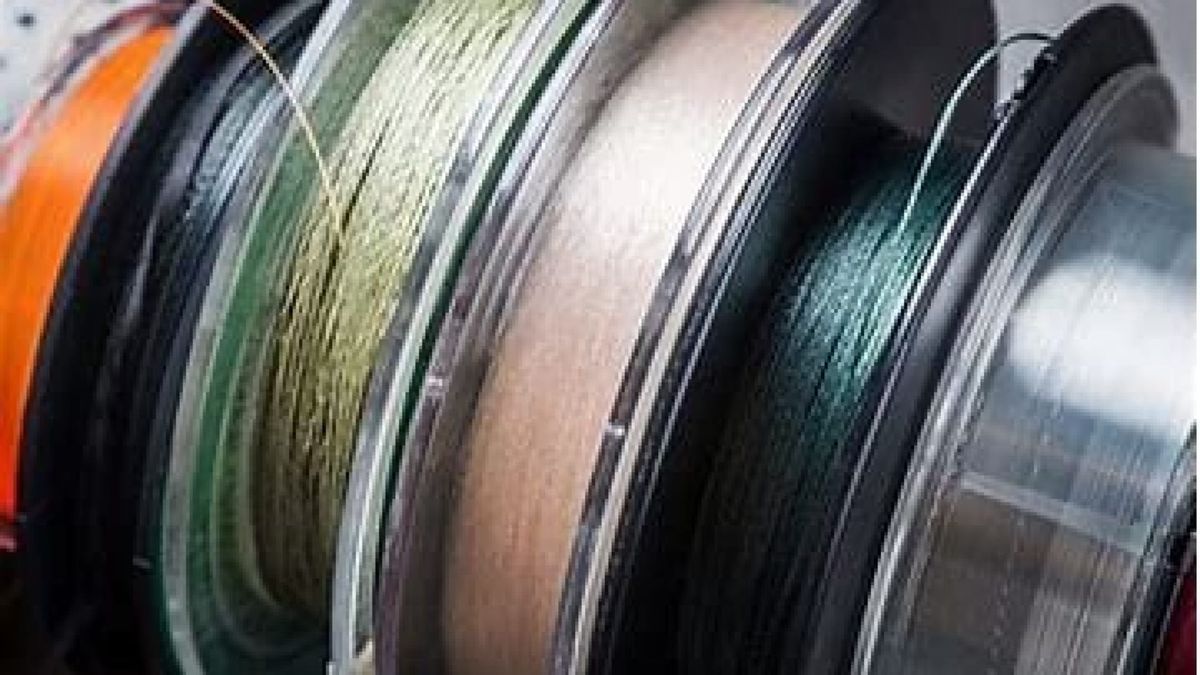
Monofilament line is made from nylon and is extremely strong. It doesn’t stretch like other lines, which makes it an excellent choice for trolling or casting lures in deep water. It also has low visibility in the water, making it great for fly-fishing as well.
Here, the writer points out the importance of strength and low visibility. Mono-filament line has been mentioned as a problem area (for bird entrapment) by almost all surveyed DNR officers in my research. It makes me curious about the strength requirements for fish, and the strength it would take for a bird to successfully break out of the line.
Another option is braided line. Braided line is made from multiple strands of material that are woven together to form a single piece of line.
It has excellent strength and abrasion-resistance, making it perfect for catching bigger fish such as bass or walleye. Braided lines also have very little stretch, so they are ideal for precision casting and jigging applications as well. The only downside to using braided lines is their higher visibility in the water, but this can be countered by using fluorocarbon leaders or tippet material in clear waters.
Braided line seems to have similar applications but offers a positive and negative side. Visibility in the water has been condoned a negative drawback of fishing line. However, higher visibility is beneficial when trying to locate and discard cut or broken line.
If you’re looking for something even more unusual, then you might want to try using dental floss or spider silk as your fishing line! Dental floss has been used by anglers since the early 1900s due to its strength and flexibility properties – although it may not be suitable for larger fish species due to its lack of abrasion resistance. Spider silk on the other hand offers amazing strength with very little stretch – making it perfect for catching smaller fish such as panfish or trout.
Overall, this article makes me question where people learn what to buy for fishing. Some of these lines can be used in a pinch (like dental floss), but other require research to learn about (like spider silk). This makes me believe there is an information accessibility barrier when it comes to options for fishing hobbyists.
References.
Albert. (2020, March 31). Different Types of Fishing Line Explained. FishingBooker Blog. https://fishingbooker.com/blog/different-types-of-fishing-line-explained/
Allen, M. (2025, March 19). What Can I Use Instead of a Fishing Line? - Trickyfish. Trickyfish. https://trickyfish.co/what-can-i-use-instead-of-a-fishing-line/
This literature review draws on original material from Michael Allen’s “What Can I Use Instead of a Fishing Line?” (TrickyFish, 2025) (~40%), the author’s own framing and synthesis regarding monofilament alternatives and bird entrapment (40%), and AI assistance (20%) in summarizing, selecting quotations, and editing for clarity. All interpretations remain the responsibility of the author.