Fungi makes meal of hard to recycle plastic
It is interesting to explore the biological approaches that are being made towards trying to handle plastic waste. A potential organic solution makes sense when thinking of how plastics touch almost every surface on Earth, so something that could potentially grow in the area that the plastic has been discarded seems like a logical approach. The University of Sydney has been trying to work towards a solution that would do just that, introduce a common fungi that produce enzymes that could potentially break down the polymers within plastics over time.
Polypropylene has long been recycling’s head scratching riddle. A common plastic used for a wide variety of products from packaging and toys to furnishing and fashion, it accounts for roughly 28 percent of the world's plastic waste, but only 1 percent of it is recycled (Fungi makes meal of hard-to-recycle plastic, 2023).
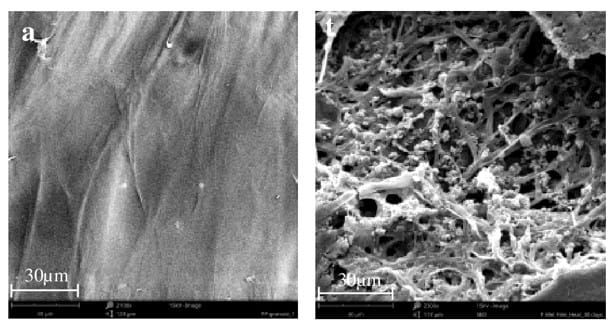
Typically found in soil and plants, Aspergillus terreus and Engyodontium album were able to break down polypropylene after it had been pre-treated with either UV light or heat, reducing the plastic by 21 percent over 30 days of incubation, and by 25-27 percent over 90 days (Fungi makes meal of hard-to-recycle plastic, 2023).
This sounds very promising, but after our capstone group met with the microplastic researchers on our OSU campus, they informed us that the process for some of these experiments don't always replicate as easily out of the laboratory controlled conditions.
“Plastic pollution is by far one of the biggest waste issues of our time. The vast majority of it isn’t adequately recycled, which means it often ends up in our oceans, rivers and in landfill. It’s been estimated that 109 million tonnes of plastic pollution have accumulated in the world’s rivers and 30 million tonnes now sit in the world’s oceans – with sources estimating this will soon surpass the total mass of fish,” said Mrs Samat (Fungi makes meal of hard-to-recycle plastic, 2023).
The researchers say polypropylene is so infrequently recycled because of its short life as a packaging material and because it often becomes contaminated by other materials and plastics, necessitating new recycling methods that have minimal environmental impact (Fungi makes meal of hard-to-recycle plastic, 2023).
Professor Dee Carter, an expert in mycology (the study of fungi) in the School of Life and Environmental Sciences and co-author of the study said: "Fungi are incredibly versatile and are known to be able to break down pretty much all substrates. This superpower is due to their production of powerful enzymes, which are excreted and used to break down substrates into simpler molecules that the fungal cells can then absorb." (Fungi makes meal of hard-to-recycle plastic, 2023).
Professor Abbas believes the low rate of plastics recycling globally presents a “massive plastics circularity gap”: “We need to support the development of disruptive recycling technologies that improve the circularity of plastics, especially those technologies that are driven by biological processes like in our study. It is important to note that our study did not yet carry out any optimisation of the experimental conditions, so there is plenty of room to further reduce this degradation time.” (Fungi makes meal of hard-to-recycle plastic, 2023).
I agree that technologies that are driven with a biological process would be beneficial towards efforts to close the circularity gap, and I think there could be avenues within design to help those processes. A biological process would also be a lower financial approach, to my understanding not many businesses are going out of their way to address the over run issue of plastics, and an organism that could process plastic would take away that cost and infrastructure need. However it does make me wonder what types of ecological disruptions areas could potentially face when introducing a species that isn't native.
Reference.
Fungi makes meal of hard-to-recycle plastic. The University of Sydney. (2023, April 14). https://www.sydney.edu.au/news-opinion/news/2023/04/14/fungi-makes-meal-of-hard-to-recycle-plastic.html