Gamification Vs Game-Based Learning
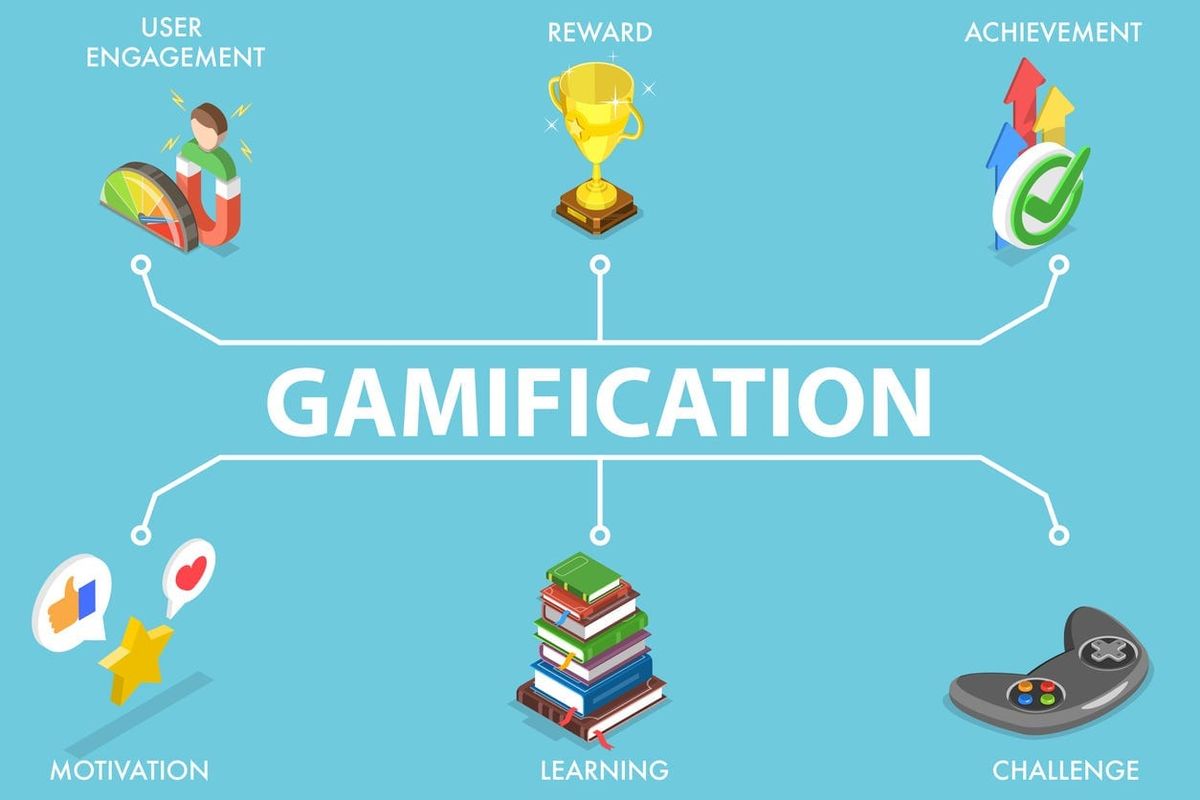
“Gamification and game-based learning are similar in that both strategies promote engagement and sustained motivation in learning. However, gamification and game-based learning can also be usefully distinguished. Gamification is the integration of game elements like point systems, leaderboards, badges, or other elements related to games into ‘conventional’ learning activities in order to increase engagement and motivation. For example, an online discussion forum for a Physics course might be gamified via a badge system: students might be awarded a ‘Ptolemy’ badge after they have made 10 postings, a ‘Galileo’ badge after 20 postings, ‘Kepler’ after 30, ‘Einstein’ after 40, and so on. In ideal gamified learning environments, students can see the online badges that their peers have earned to create a sense of comradery or competition.
Game-based learning, in contrast, involves designing learning activities so that game characteristics and game principles are within the learning activities themselves. For example, in an Economics course, students might compete in a virtual stock-trading competition; in a Political Science course, students might role-play as they engage in mock negotiations involving a labour dispute. In short, gamification applies game elements or a game framework to existing learning activities; game-based learning designs learning activities that are intrinsically game-like. Gamification and game-based learning both promote engagement and sustained motivation in learning, but they do not necessarily result in improved learning outcomes” (University of Waterloo)
While this article does not directly reflect on the use of gamification in the online banking industry it does provide insights that can be useful in implementing in order to further engage with users. In this article I make a clear distinction between game-based learning and gamification. While both can lead to more engagement from the users it does not guarantee improved learning outcomes. This is an important distinction to keep in mind when designing for online banking apps because some gamification methods may encourage users to track their spending habits and save in new ways.
Meanwhile a game based learning objective could be slightly different allowing the user to immerse themselves in a practical learning method, deepening their understanding of the financial goals and future. Another key aspect of the article is the role that game elements can play in the process. Careful consideration is needed when designing these elements so they support the goals of the users rather than being superficial.
References:
University of Waterloo. (n.d.). Gamification and game-based learning. Centre for Teaching Excellence. https://uwaterloo.ca/centre-for-teaching-excellence/catalogs/tip-sheets/gamification-and-game-based-learning
Ai was not used in the creation of this article