Happiness is the Solution - Whether at work, at school, or in the car.

For many of us, being an adult at work today is like being a kid at a school without art, gym, and recess — no fun. And, that’s a huge reason why so many of us are disconnected, bored, and disengaged.
Gallup data confirms this. After trending upwards, engagement hit its lowest in a decade with younger workers and women — the most unhappy people at work. 50% of the global workforce is quiet quitting and 18% are loud quitting — sharing openly that they are unhappy at work. Social media trends like #QuietQuitting and #ActYourWage have reached over 1.2 billion views and their virality confirms that we’re all still feeling the effects of chronic stress and burnout.
For many of us, our perspective has shifted from what we do for a living to how we want to live. New research from MIT finds that our health and happiness at work is not an afterthought, but rather a driving force in our decision to take, stay at, or leave a job.
Being happy at work isn’t just a win for employees; it’s also a win for employers. Novel research from Oxford has found a causal link between happy workers and a 13% increase in productivity. On the flipside, disengaged employees are unhappy employees, which costs the world $8.8 trillion dollars, or 9% of global GDP.*
To build belonging, we must go slower. Be intentional about what makes someone happy at work, and conversely, what doesn’t. Look out for patterns by paying closer attention to what your employees want and asking direct questions, such as “Do you feel connected to your community at work?” and “We’re open to feedback – how can we increase a sense of belonging for you and others?” (Moss, 2023)
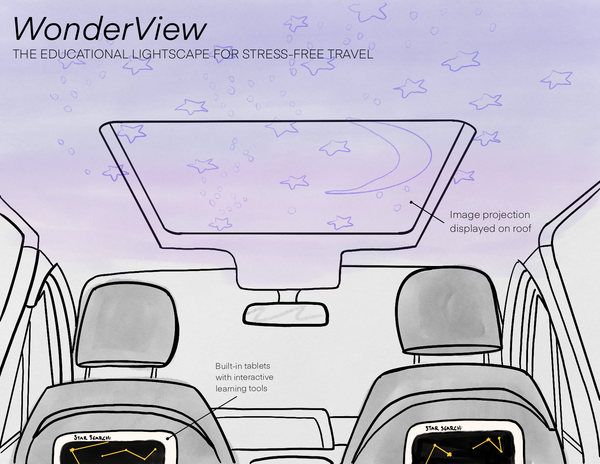
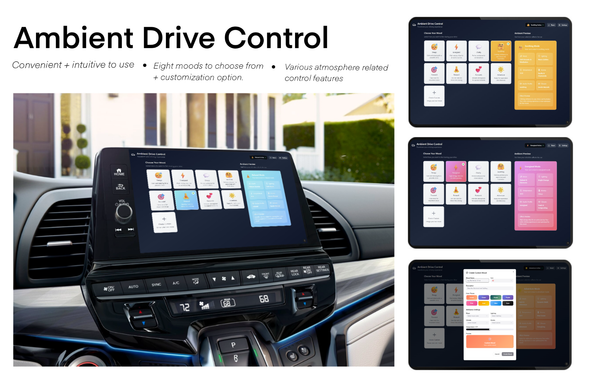
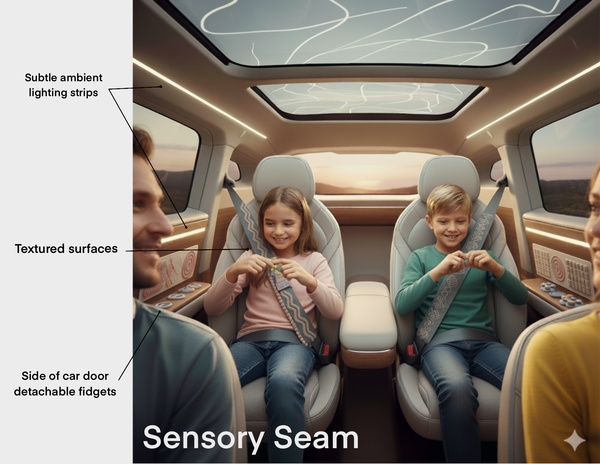
Having spent countless hours in the backseats of cars, I see them now as the epitome of family life. Time spent in a space where you either amplify tension or foster connection. Which means that the challenge is to design a system that encourages positive family interaction, and limits stress. This is more than just filling time with screens, but about creating an environment that supports engagement and emotional well-being.
I've come to realize that this isn't just a design challenge, but a business imperative, too. If a positive work culture can boost productivity by a significant 13%, then a happier car experience must have an equally tangible return on investment for Honda. What is the value of a family that feels more connected, less stressed, and more at ease during their commute? I believe that by creating an emotional connection with the driver and passengers, we can build a more loyal customer base and a powerful brand association.
References.
Getty Images - Royalty-Free Stock Photos, Creative Images & Vectors | News, Fashion, and Entertainment imagery . Getty Images. (n.d.). https://www.gettyimages.com/
Moss, J. (2023, October 20). Creating a happier workplace is possible — and worth it. Harvard Business Review.
This reflection draws ~40% from Harvard Business Review article “Creating a happier workplace is possible — and worth it” (2025), ~45% from the author’s own framing of the capstone context and design intentions, and ~15% from AI assistance (synthesizing article content, editing for clarity, and expanding argumentation). All interpretations and final perspectives remain the responsibility of the author.