
Recycling Across Time


Long before the term "recycling" was coined, communities across the world have found value in collecting discarded items and giving new life to them. This was primarily driven by scarcity, but also to curb the collection and manufacturing of virgin materials. This article by American plastics company, Gladson, chronicles some of the different ways recycling has taken place across time.
The precise origins of recycling cannot be definitively attributed to a single individual. Nevertheless, it is widely acknowledged that numerous ancient cultures practiced the reuse of items and recycling of materials out of necessity. This was frequently driven by scarce resources or the labor-intensive production methods characteristic of that era (Glasdon, 2024).
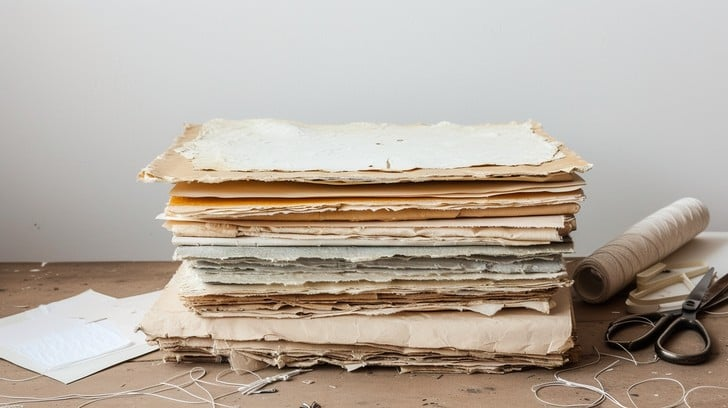
Japan: 1031: During the 9th century, the Japanese Empire of the Heian Period recycled wastepaper to conserve materials and maximize output due to a shortage of skilled workers. Initially, mulberry, gampi and hemp were used, but by 1031, records show that wastepaper was being repurposed into paper sheets. The process involved macerating the wastepaper into pulp and then reshaping it into new paper.
What is interesting about each of these cases is how every example the article gives involves a consumable item (or what we may refer to as "single-use"). Items such as paper, rags, clothes, and cans were all recollected. We see how in the case of the Rittenhouse Mill, collection of used material could be broken down and recycled into a material for a completely different function.
Philadelphia, USA: 1690 In 1690, the Rittenhouse Mill in Philadelphia was opened by German immigrants as the first paper recycling initiative in North America. This involved submerging old linen and cotton rags in water before beating them into a pulp, which was then placed in a mold to dry and transform into paper. The mill's output was sold to printers for use in Bibles and newspapers, providing an essential supply of products for England's many colonies.
Yorkshire, UK: 1813 Benjamin Law invented the ‘Shoddy Process’ in Batley, where he repurposed old clothes and rags by recycling and re-spinning them into wool. Rag dealers, also referred to as rag and bone men, began gathering rags from various streets across Britain to participate in this process. By 1860, this method was generating more than 7,000 tons of recycled wool each year.
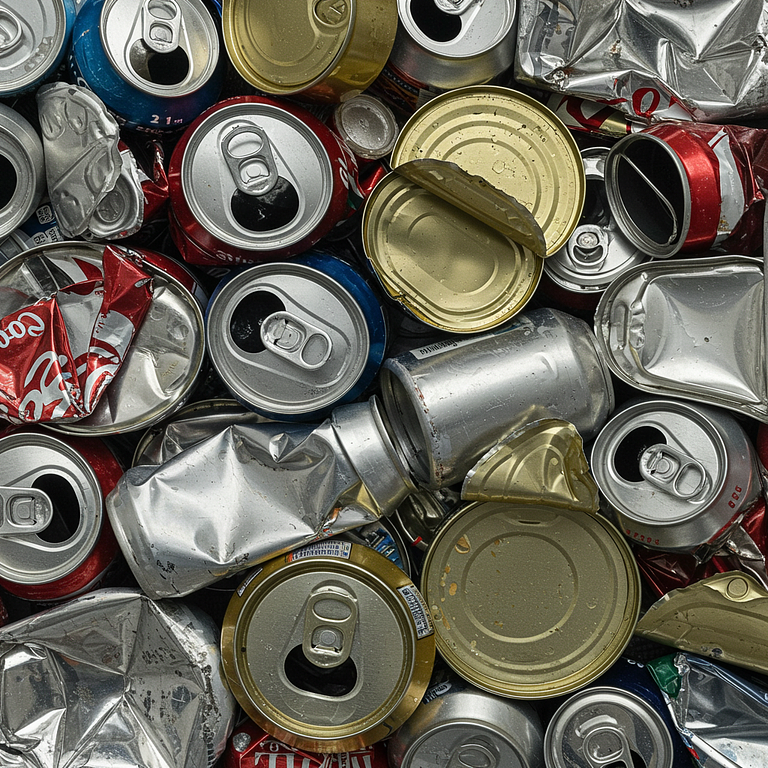
It is also noteworthy how recycling was encouraged as a patriotic value during America's time in the first and second world wars. Managing resources responsibly at home and within community translated as direct help to soldiers overseas, since valuable items like nylon, rubber, and metal could fulfill the needs of soldiers.
During the First and Second World Wars, Great Britain and the US were compelled to ration and manage scarce resources. The British government urged the public to 'Make do and Mend', which emphasized repairing damaged furniture and repurposing old clothing for rags. Additionally, people were requested to deliver cooking fat to local meat sellers for it to be repurposed as fuel for explosives.
Meanwhile, the U.S. used recycling propaganda such as ‘Salvage for Victory’, asking the public to contribute salvage materials like paper, rubber, metal, and rags to be repurposed to support the war effort.
When reflecting on the issue of plastic pollution in modern times, there still remains the issue of single-use items, but they exist in abundance and are manufactured with ease when compared to when they were first widely introduced in the 1930's. Therefore, finding an incentive to recycle plastics boils down to cost effectiveness, ethics, or sentimental value. The former is challenging, since our culture often doesn't value frugality and resourcefulness with success and prosperity.
References:
Glasdon, Inc. (2024, November 26). The history of recycling practices: From ancient times to modern day. Retrieved from https://us.glasdon.com/knowledge-hub/us-the-history-of-recycling?srsltid=AfmBOorjHG69-9ZX3fQvQb7bkTzAkXNZclHx67Leo3Nv3i8vd1tbYUe6