Hostile Architecture is Dehumanizing

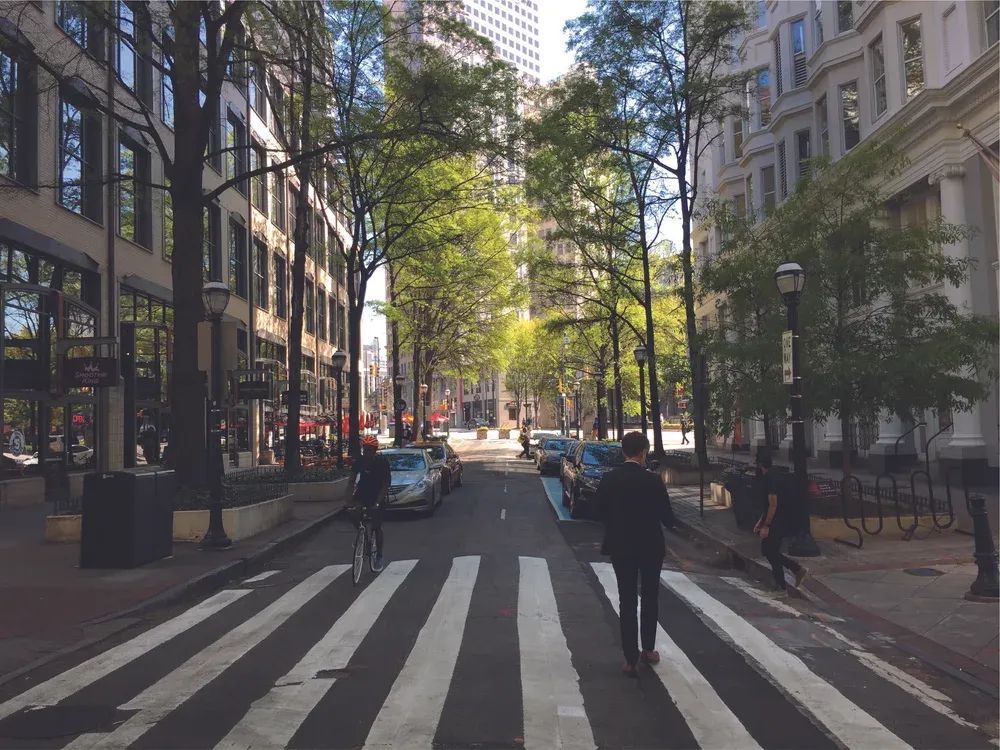
Baltimore Maryland has its own neigborhood design center. One big part of its operations is addressing what is known as hostile architecture. While the term is typically used to describe features that discourage homeless populations from using / settling in public spaces, this article from NDC Baltimore expands the definition to include historic decisions in urban planning used to segregate neighborhoods.
Hostile architecture, also known as defensive architecture or exclusionary design, is an urban design strategy in which public spaces and structures are used to prevent certain activities or restrict certain people from using those spaces (Neighborhood Design Center Maryland, 2023).
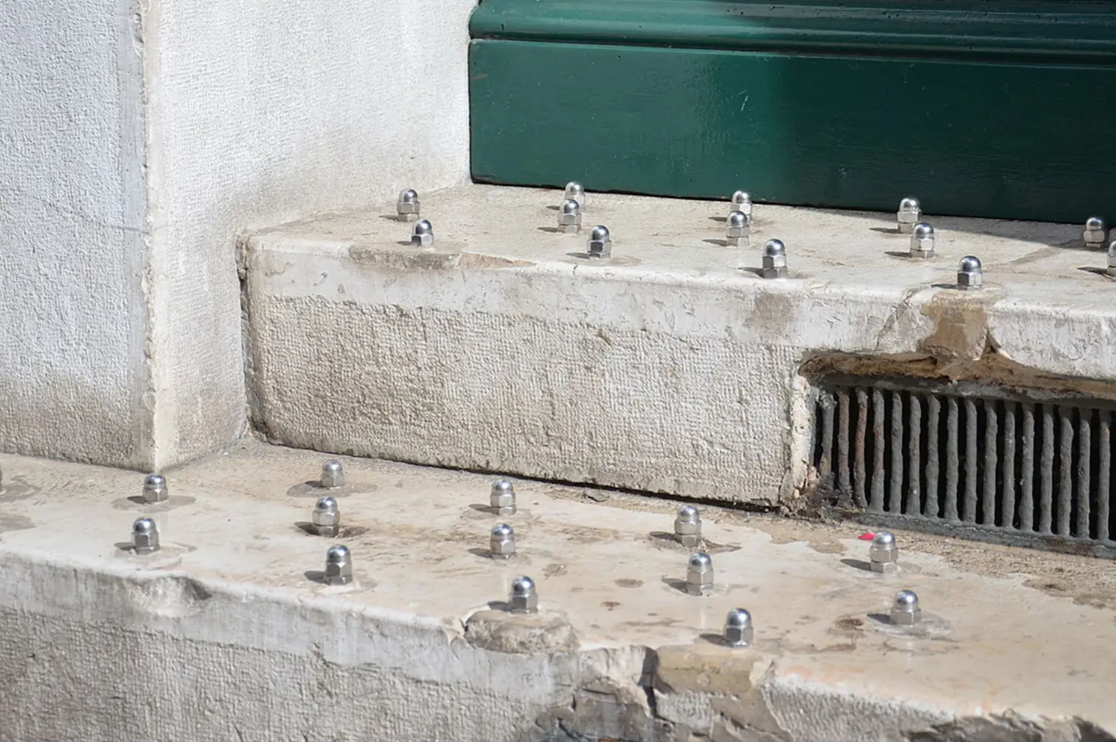
Hostile architecture can be seen in window sills with spikes or public parks with high fences, locks, and few trees in order to prioritize law enforcement’s view of what is happening in the park. Even natural elements, like thorny plants, are often planted at the ground level of buildings to prevent access to windows.
The issue extends from the surface level to the systemic ... dead ends, bollards, and one way streets were historically used to separate the poorer, majority African American neighborhoods from the adjacent wealthier, whiter neighborhoods...
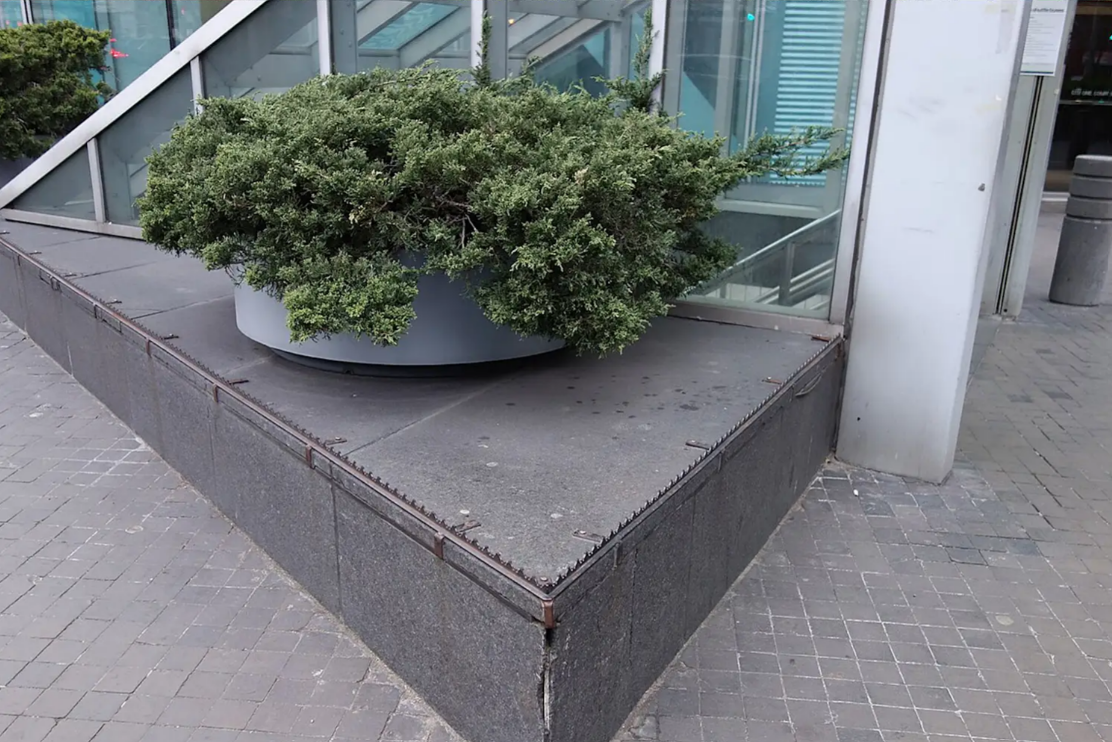
It's interesting how the authors observe the connection between designed public spaces and markers of a community's health. The suggestion is that "dominant populations" have historically been the ones with the resources to make design decisions which necessarily benefits their in-group first (and or exclusively).
While public space is intended to broadly serve the public good, the perspective of dominant populations gets embedded in the product through the design and construction processes. Hostile architecture can then be used to restrict the use of a public space based on race, age, income and other factors deemed undesirable.
The Local Loops team has partnered with Glennon Sweeney, who is the head of NDC Columbus. Glennon has already provided excellent insight into the history of the city's urban planning and issues of prejudice.
Mitigating the issues surrounding hostile architecture presents a difficult balance to strike, particularly when it comes to community design. ...community members also often advocate for hostile design elements in public spaces during the community design process due the very real challenges to their feelings of safety.
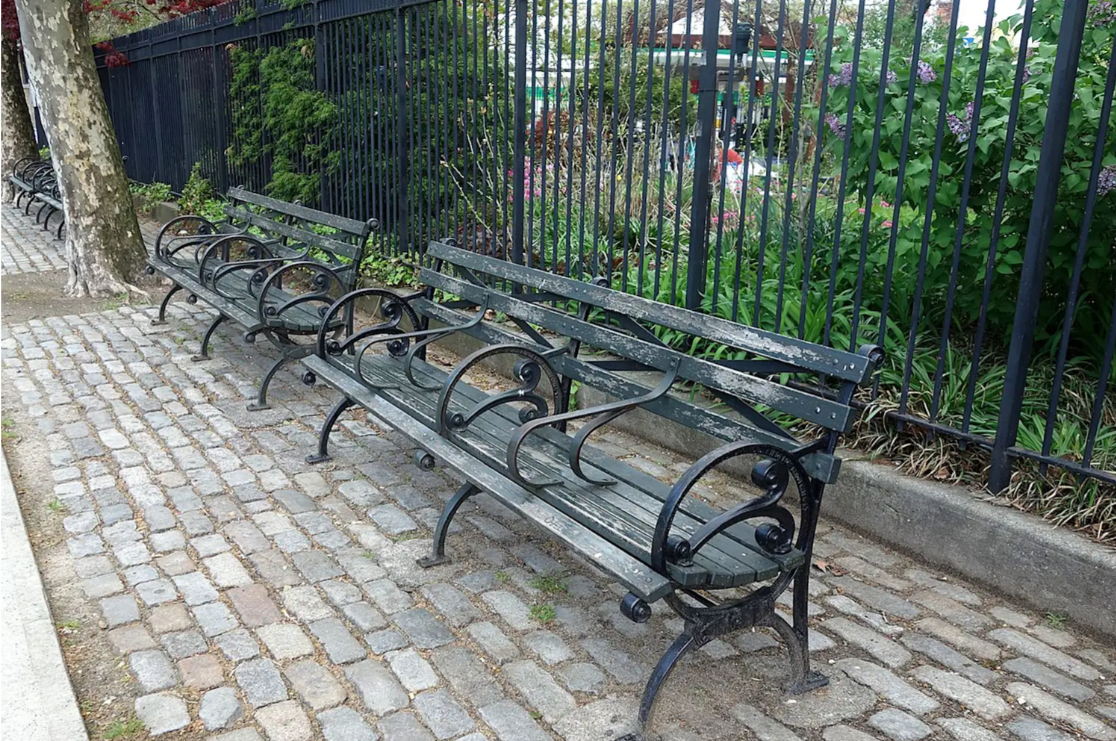
Public space design cannot alone fully address the systemic, root causes of those safety concerns, yet by keeping those challenges in mind, NDC strives to balance the need to create safe spaces with the desire to create inviting ones during the community design process.
By conducting primary research with local Columbus residents, the Local Loops team is working to democratize the design process with the goal of an installation/service that serves the general public and not just a select group.
References:
Neighborhood Design Center of Maryland. (2023). Understanding hostile architecture: The cause and effect of restricting. NDC-MD. https://ndc-md.org/news-and-stories/understanding-hostile-architecture-the-cause-and-effect-of-restricting