How Do Sensory Details Influence Our Mood?
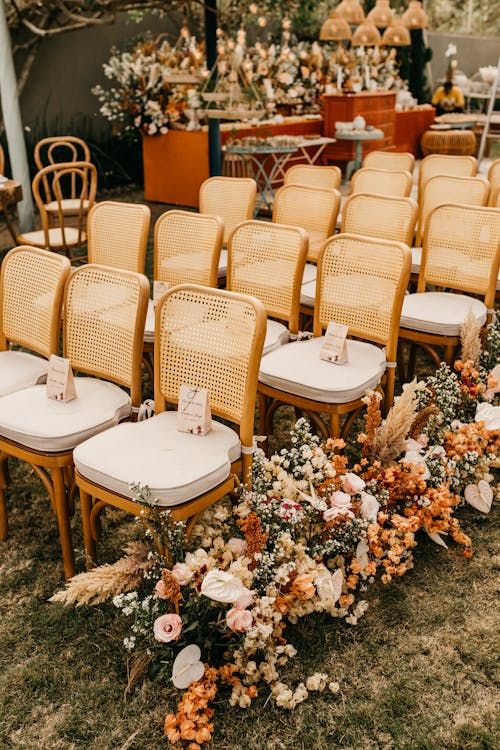
How can we transform a fleeting space, like the backseat of a car, into a sanctuary of calm and connection? This is not merely about aesthetics; it's about the deliberate orchestration of sensory experiences.
We often toss around the phrase “good vibes” casually, but did you know it has a scientific basis? The atmosphere of a space—its lighting, color, scent, sound, and flow—can have a profound impact on our mood, behavior, productivity, and even physical health. Whether you realize it or not, the design of a space speaks to your senses constantly, subtly influencing your emotions and your memories.
How Our Environment Shapes Our Emotions
The relationship between space and emotions is deeply rooted in psychology. Humans evolved in close contact with their environments—early humans depended on their surroundings for survival. Today, although our lifestyles are very different, that instinctual connection to space remains.
Modern psychology, neuroscience, and even architecture recognize this connection. Research has consistently demonstrated that environmental factors such as lighting, design, acoustics, air quality, scent, and aesthetics all influence human emotion and behavior in measurable ways.
Lighting: More Than Just Visibility.
Lighting doesn’t just allow us to see—it directly affects our biology. Natural Light stimulates the production of serotonin, the neurotransmitter responsible for feelings of well-being and happiness. Exposure to Daylight regulates circadian rhythms, which influence sleep, digestion, and hormone levels. Warm Lighting tends to create cozy, intimate settings, while bright, white lighting can make a space feel energizing but, if too harsh, also stressful.
Color and Emotions
Color psychology is another critical factor in how space affects mood: Soft blues and greens promote calmness, clarity, and peace—perfect for meditation rooms or spa environments. Warm colors like red and orange stimulate energy, passion, and appetite, making them ideal for restaurants and lively parties. Neutrals and earth tones ground and relax people, offering a sense of stability. When planning an event or decorating a home, choosing a strategic color palette can unconsciously direct the emotional experience of everyone who enters the space.
Scents: Invisible Influencers
The human brain processes smell in the limbic system—the part responsible for emotions and memories. That’s why a whiff of fresh-baked cookies might transport you instantly to childhood or the scent of jasmine might bring back a tropical vacation memory.Common scent effects include:
Lavender: Reduces anxiety and improves relaxation.
Citrus: Boosts alertness and feelings of cleanliness.
Vanilla: Evokes warmth and comfort.
Atmosphere’s Impact on Social Behavior
Atmosphere doesn’t just affect how individuals feel; it influences how people interact with each other. Research shows that when people feel comfortable and emotionally secure in a space, they’re more likely to engage in positive social behaviors: cooperation, laughter, openness, and generosity.On the other hand, environments that feel cramped, sterile, or poorly designed can trigger social anxiety, withdrawal, and conflict.
One fascinating aspect of human behavior is emotional contagion—the phenomenon where emotions spread through groups like wildfire. In a positive space: One guest’s joy quickly becomes infectious. Laughter spreads faster. Collective excitement builds energy for activities, dancing, and toasts.
The Health Benefits of Good Vibes
Interestingly, creating feel-good spaces isn’t just about happiness—it has real health implications. Reduced Stress: Positive environments lower cortisol levels, which protects the immune system. Improved Productivity: Comfortable, well-lit spaces enhance cognitive function and motivation. Enhanced Sleep Quality: Exposure to calming environments, especially those rich in natural light, improves sleep cycles. Better Social Relationships: Positive atmospheres encourage empathy, patience, and social bonding. In other words, investing in good vibes pays off not just emotionally but physically too. (The Park Place Avenue, 2023)

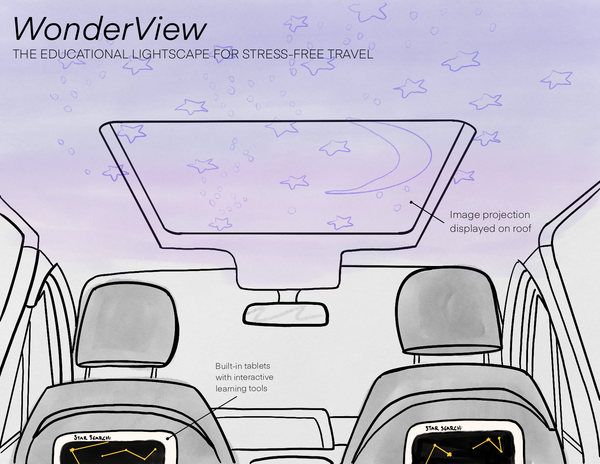
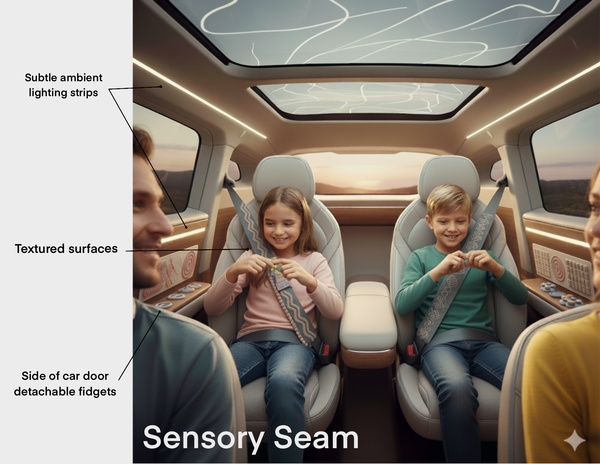
I'm fascinated by the way light, sound, and touch can completely alter our mood. Thinking about how interior lighting could mimic the soothing glow of a sunset or how the perfect tune could ease children into a restful state. Moreover, considering the interplay of textures, from plush fabrics to smooth, tactile surfaces, and how they could create a sense of safety and comfort.
I believe that by paying close attention to these sensory details, such as the rhythm of ambient sounds, the deliberate use of calming colors, and the haptic feedback of a thoughtfully designed component, we can create an environment that not only entertains but truly nurtures the well-being of a family on the move. The goal is to optimize both the parent and child’s emotional state through a multi-sensory approach.
References.
Grammarly. (n.d.). https://app.grammarly.com/
The Park Place Venue. (2023, December 28). The science of good vibes: How space and atmosphere change how we feel. The Park Place Venue. https://theparkplacevenue.com/post/the-science-of-good-vibes-how-space-and-atmosphere-change-how-we-feel
This reflection draws ~40% from The Park Place Venue article “The science of good vibes: How space and atmosphere change how we feel” (2023), ~45% from the author’s own framing of the capstone context and design intentions, and ~15% from AI assistance (synthesizing article content, editing for clarity, and expanding argumentation). All interpretations and final perspectives remain the responsibility of the author.