How fast fashion is fueling the fashion waste crisis in Africa
Trends come and go, and with the rise of popular fast fashion brands like Shein, Zara, and ASOS along with many others- individuals are able to consume at a rapid pace. There are many issues around fast fashion brands, but focusing on the material side, they typically use synthetic fibers to cut down on costs which become an issue when they're donated and discarded.
In 2021, about 458 million of the 900 million used clothing imported in Kenya were worthless. A recent report on the Kenyan thrift market further confirmed this deterioration by mentioning how traders had to part with approximately 20-50% of clothes in bales due to their flawed conditions (Nkatha, 2021).
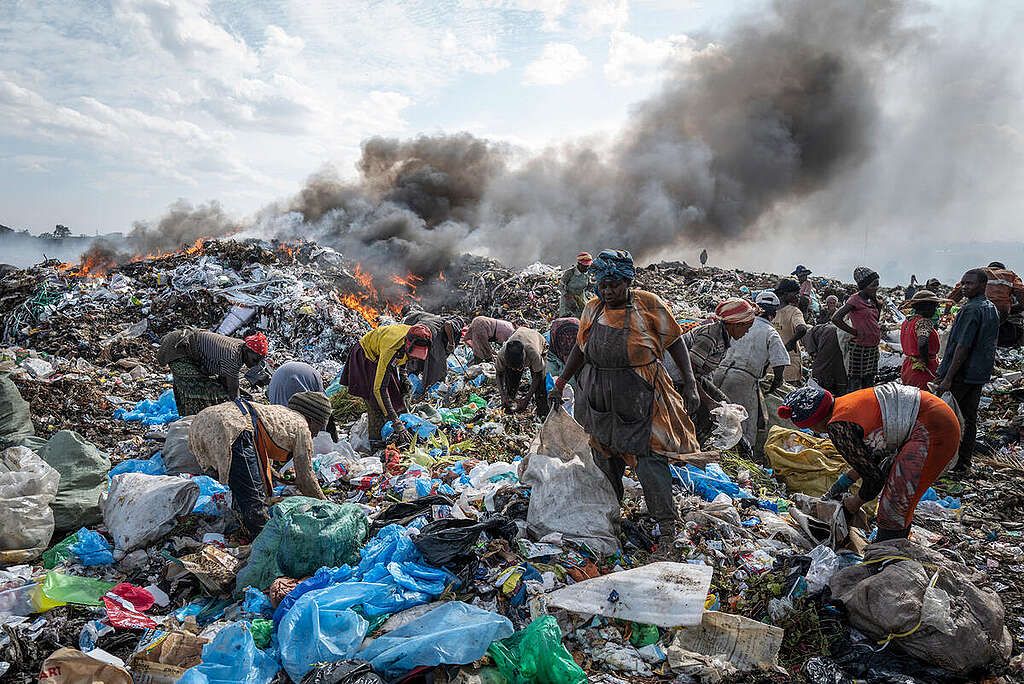
The fashion waste problem has been exacerbated by the unsustainable practices perpetrated by fast fashion brands, such as dumping their dead stock disguised as affordable wear in African countries. The bulk of this dead stock ends up being discarded due to its obsolescence. This overproduction results in overconsumption and breeds a throwaway culture. However, many African countries lack the proper infrastructure to dispose of the waste adequately, endangering the environment and the health of Africans (Nkatha, 2021).
But the pollution does not end there, as Korle Lagoon opens up to the ocean. According to some of the fishers whose livelihood is dependent on the lagoon and the ocean, poor textile waste disposal is such a huge problem that they are more likely to catch clothes with their nets than fish (Nkatha, 2021).
Plastic pollution due to second-hand textile trade is a serious issue affecting Africa’s water bodies. Most of the clothes shipped to African second-hand textile markets are made up of synthetic fibres made from plastic, including acrylic, nylon, and polyester (Nkatha, 2021).
These clothes shed microplastics when worn or washed, which make their way into sewer systems. Untreated sewers or leakages in the system often result in contamination of water sources. But even if the water was properly treated, synthetic materials like polyester, which are made from plastic and used in most clothes produced today, are not recyclable or easy to break down. Consequently, this triggers plastic pollution (Nkatha, 2021).
Plastic pollution from fashion waste is also a recurring sight along water sources near second-hand textile markets due to informal dumping. The illegal dumping that occurs along the banks of Korle Lagoon in Ghana and Nairobi River in Kenya is responsible for water pollution through plastic waste in both countries (Nkatha, 2021).
The pollution of smaller bodies of water also increases the fragility of larger ones as microplastics are easily spread into the latter, contaminating the waters. Consequently, this threatens marine biodiversity as aquatic life, mistaking plastics for food, are likely to choke to death. Similarly water pollution by microplastics from fashion waste endangers the livelihoods of communities that depend on water systems either by killing marine life, lowering crop yield, or increasing the risk of waterborne illnesses (Nkatha, 2021).
Clothing isn't always initially thought of when the topic of plastic waste is brought up, but there are opportunities to cut down on the extremely wasteful industry from a designers view. Synthetic fibers being so prominent in any soft good is an issue that contributes to waste and it's ability to not be recycled easily. There aren't many measures currently to clean up what has already began in other countries, but as recycling facilities and techniques develop hopefully there will be a use for the large clothing waste stream that is currently out of control.
Reference.
Nkatha, K. (2021, November 21). How fast fashion is fuelling the fashion waste crisis in Africa. Greenpeace Africa. https://www.greenpeace.org/africa/en/blog/54589/how-fast-fashion-is-fuelling-the-fashion-waste-crisis-in-africa/