How Public Art Can Improve Quality of Life and Advance Equity

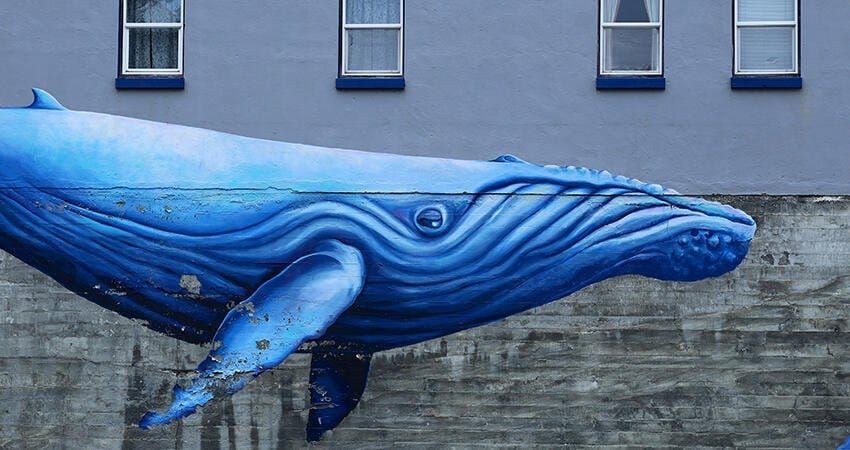
Community beautification is an integral part of my capstone project, and something that people easily agree they want more of. But what are the practical benefits of community beautification? I reference this essay to glean more insights.
Although public art can be aesthetically valuable, case studies and research have demonstrated that public art can offer critical benefits to residents, such as improved public safety and well-being. Additionally, the communal nature of public art can give marginalized communities who’ve been historically excluded from the public sphere the chance for self-expression and participation in the arts. (Young)
Residents’ perception of their neighborhood’s safety is linked to quality of life. Safer neighborhoods can lower residents’ risk of exposure to violence and crime and attract new residents and businesses. And research suggests incorporating public art into neighborhood design can improve residents’ perceptions and experiences of safety. (Young)
Not only is perceived safety important to improve for the individual, but this will also allow more small businesses to move into neighborhoods and enrich an individuals quality of life and participate in the larger culture in a circular loop.
By beautifying previously blighted spaces, public art can reflect residents’ care for their community and encourage stewardship of public spaces. Although low-income neighborhoods and neighborhoods of color are often deprioritized for built-environment enhancements, thoughtful placemaking interventions—like public art initiatives—can revitalize these communities. (Young)
Simply put, one benefit of beautification is the pride a community can rally around. People are more inclined to participate in their neighborhood when they see it as something worth celebrating. This is especially important in areas that would allow for minority voices to be heard.
Art museum staff are disproportionately white, with people of color particularly underrepresented in leadership positions. And an analysis of the art in major US museums’ catalogues found 85 percent of artists are white and 87 percent are men. Though many art museums have been taking steps to improve the diversity of their works and their accessibility to broader audiences, barriers to entry still remain, including entry fees, limited hours, and inadequate or uncomfortable seating for people with disabilities. Creating art for a living also often privileges those with preexisting wealth or connections (PDF). (Young)
It is also important to put the power of art back in the hands of the people. As the article states, there are many barriers and limited perspectives in museum spaces. Community involvement in public art, like murals, creates a platform for diverse involvement. This also opens a window for the next generation to see these opportunities not so far out of reach for themselves, growing the field one step at a time.
Broadly speaking, residents benefit across many different indicators of well-being when they feel connected to their neighborhood through public art. Local community leaders and policymakers who equitably advance public art can improve their residents’ lives and revitalize historically marginalized neighborhoods.(Young)
Young, Caitlin. “How Public Art Can Improve Quality of Life and Advance Equity | Housing Matters.” Urban Institute, 16 Nov. 2022, housingmatters.urban.org/articles/how-public-art-can-improve-quality-life-and-advance-equity.