How Radio Telemetry Helps Protect Wildlife
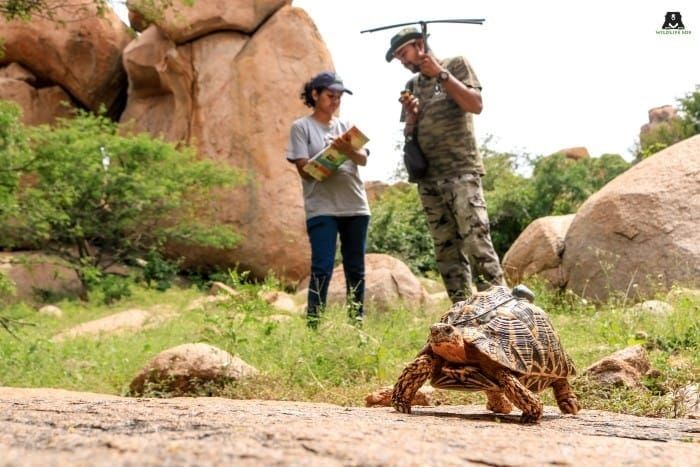
This article from Wildlife SOS describes how advancements in tracking technologies have contributed to wildlife conservation, and how the information gathered can be used to lessen the impact of human activity on threatened species.
"Conservation technology aims to maximize the capacity of technology in management systems for different environmental and conservation projects — be it ex-situ research or in-situ operations. Radio telemetry in particular, has proved to be an efficient method to help us better understand animal behavior" (Mangratee, 2025).
"Radio telemetry is a technique used to track and monitor animals remotely. It is lauded for its ability to provide real-time data that has revolutionized many areas of study in conservation. As it works on the basic principle of sending a radio signal from a transmitter to a receiver, the three key elements of a radio telemetry system include a transmitter, a receiver, and an antenna. The transmitter can be attached or tagged to the subject using a collar, an ear tag, or a wing tag for birds in particular" (Mangratee, 2025).
"Over the years, advances in radio telemetry technology have enhanced its application in animal conservation and research. Reliance on VHF (Very High Frequency) transmitters requires manually tracking wildlife using handheld antennas. However, this labor-intensive process has been considerably alleviated by the integration of GPS (Global Positioning System) technology. Introduction of GPS provides automated tracking and precise location data that are transmitted via satellite or cellular networks, enabling remote monitoring" (Mangratee, 2025).
"Deforestation has fragmented the natural habitats of wildlife, depleting their foraging environments. To procure essentials, animals venture into human settlements in search of food resources. In such situations, the use of radio telemetry is helpful in relaying the location and patterns of animal movement. They provide data that can optimize decision-making to control outbreaks of human-wildlife conflicts" (Mangratee, 2025).
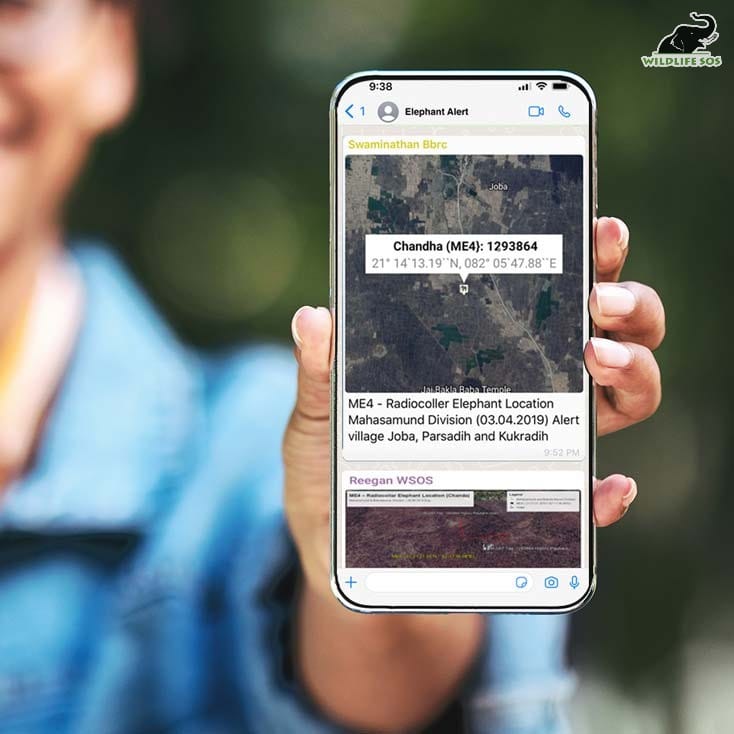
"In a bid to avoid untoward incidents, Early Warning Systems (EWS) can be established to alert local communities and ensure the safety of both humans and animals. Collection of the demographic census of wild animals and a deeper understanding of their range has been helpful in mitigating the rising human-wildlife conflicts" (Mangratee, 2025).
Review
How precise data on the movements of threatened wildlife, thanks to advancements in tracking technologies, can be applied to conservation efforts that target harmful interactions between humans and animals is quite interesting. The Early Warning Systems (EWS) model, which reminds me of the Emergency Alert System and how it is used to notify people of impending weather threats, could be incredibly impactful in preventing deadly conflicts between people and wildlife, especially as animals are venturing closer to human settlements in the search for food and resources. Unfortunate as it may be, the reality is that deforestation and climate change have altered the landscape–and the food chain–displacing wildlife from their more remote ecosystems, and we have to learn how to adapt and co-exist with animals like never before. The EWS could help prevent automotive collisions with wildlife on roadways, and trigger preparedness strategies for residents that would lessen the chance of potentially dangerous close encounters with wildlife. This makes me wonder how this strategy could be implemented into parks and preserves, allowing us to enjoy the outdoors while lessening the chance of harmful encounters with wildlife.
References
Mangratee, S. S. (2025, August 21). Real-time conservation: How radio telemetry helps to protect wildlife. Wildlife SOS. https://news.wildlifesos.org/real-time-conservation-how-radio-telemetry-helps-to-protect-wildlife/