How Technology is Raising 'The Anxious Generation'
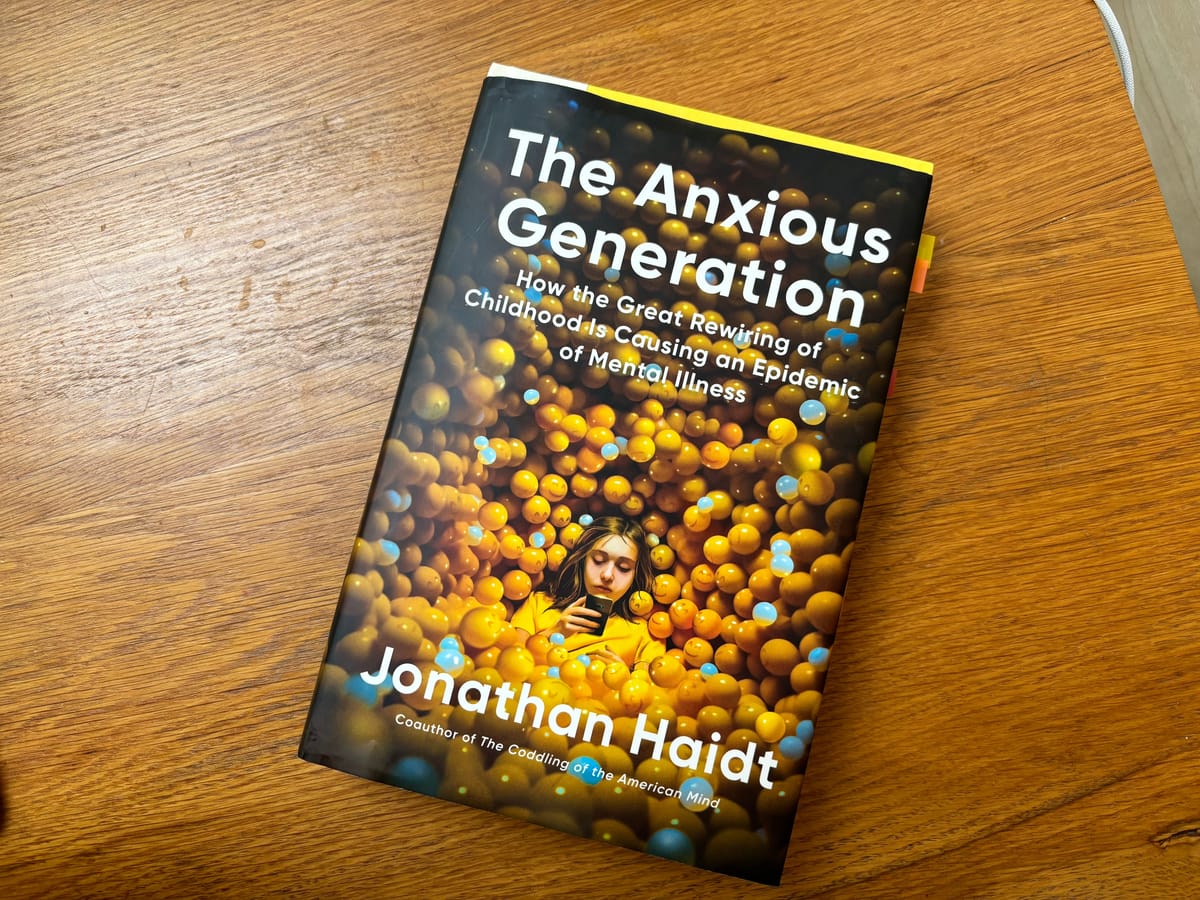
The book The Anxious Generation by Jonathan Haidt discusses the impacts of the new tech-raised generations, in specific, mental health impacts. A fascinating discussion arises about the future of technology and mental well being of generations that are increasingly removed from nature through increasing technology usage.
"As the transition from play-based to phone-based childhood proceeded, many children and adolescents were perfectly happy to stay indoors and play online, but in the process they lost exposure to the kinds of challenging physical and social experiences that all young mammals need to develop basic competencies, overcome innate childhood fears, and prepare to rely less on their parents. Virtual interactions with peers do not fully compensate for these experiential losses. Moreover, those whose playtime and social lives moved online found themselves increasingly wandering through adult spaces, consuming adult content, and interacting with adults in ways that are often harmful to minors. So even while parents worked to eliminate risk and freedom in the real world, they generally, and often unknowingly, granted full independence in the virtual world, in part because most found it difficult to understand what was going on there, let alone know what to restrict or how to restrict it." (Haidt, 2024)
The book The Anxious Generation sparked widespread conversation about the topic of technology and youth with book reviews reflecting the controversial aspects of the book. On the blog GatesNotes, Bill Gates writes about his thoughts on the book and urging people to read it.
"The Anxious Generation is a must-read for anyone raising, working with, or teaching young people today. With this book, Haidt has given the world a wake-up call about where we’re headed—and a roadmap for how we can change course. " (Gates, 2024).
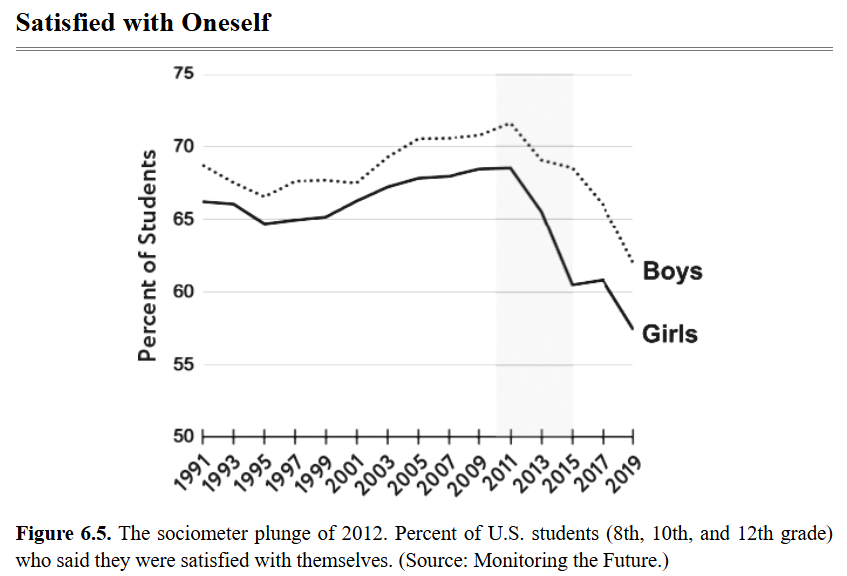
Through this provocative publication, the author Haidt investigates the question: What factors are driving the mental health epidemic amongst generations Z and Alpha? His central claim? That technology- particularly social networks- and a decrease in real world interactions have fueled the rise of an “Anxious Generation.” Where youths once played outside, learning by failure, connection, and exploration; now youths spend hours of leisure time on screens or connecting in increasingly concerning ways online. The book posits that one basic change should be required in that internet based platforms should require a 16+ minimum age with more restrictive age verifications.
This book is controversial on many fronts. Crisisisms range from practicality of recommendations, to dismissing the positive benefits of technology as well as questions about research methodologies or oversimplifications. The controversial nature and provocative topic stokes the embers of conversation to continue to evaluate the risk to benefit potentials of technology in youth development. How might we continue to study these topics and continue these conversations to design a less destructive digital future for youths?
References
Gates, B. (2024, December 3). My review of The Anxious Generation. Gates Notes. https://www.gatesnotes.com/the-anxious-generation gatesnotes.com
Goodreads. (n.d.). The Anxious Generation: How the great rewiring of childhood is causing an epidemic of mental illness by Jonathan Haidt. Goodreads. https://www.goodreads.com/book/show/171681821-the-anxious-generation goodreads.com
Haidt, J. (2024). The anxious generation: How the great rewiring of childhood is causing an epidemic of mental illness. Penguin Press.
Image: Unknown author. (n.d.). Untitled image [Photograph]. Substack. https://substackcdn.com/image/fetch/$s_!aBig!,f_auto,q_auto:good,fl_progressive:steep/https%3A%2F%2Fsubstack-post-media.s3.amazonaws.com%2Fpublic%2Fimages%2F118064c9-d9ee-4f8f-a540-87179d858b53_5712x4284.jpeg