How the NASCAR sponsorship model is changing: ‘A massive shift’ in Amazon era
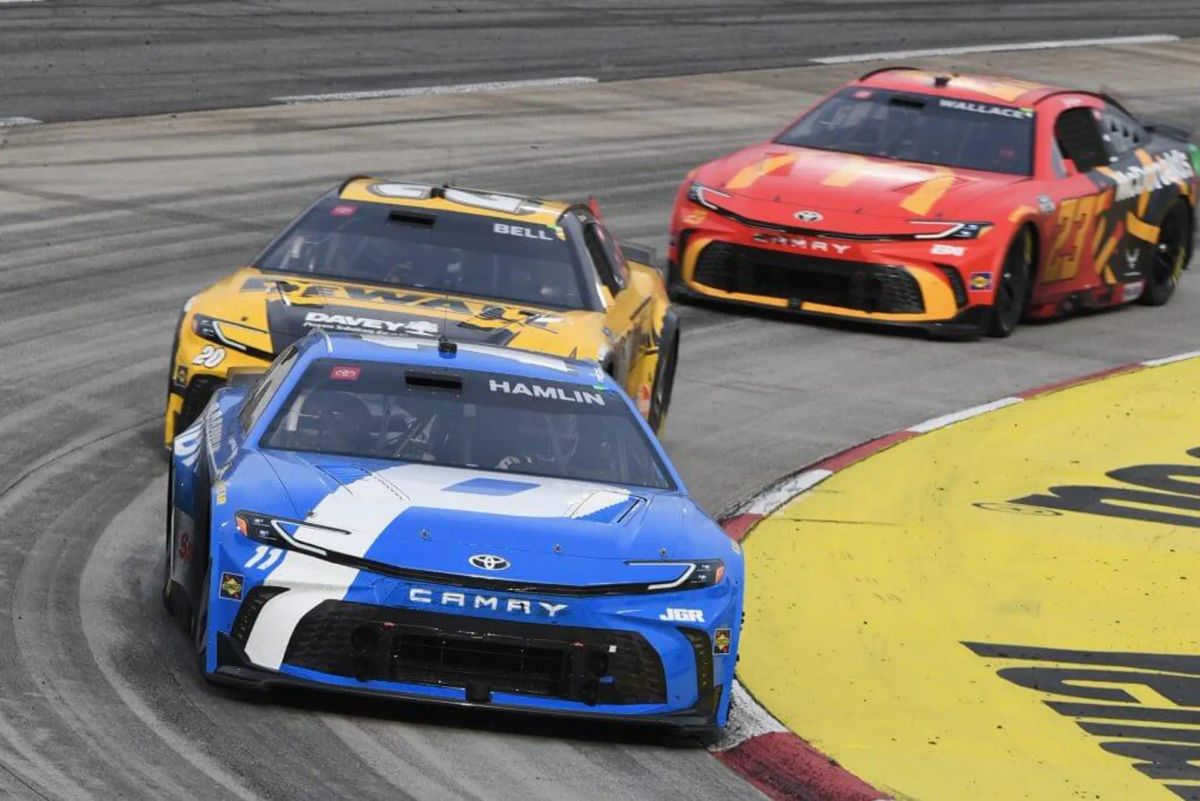
This article explains the buisness model of NASCAR, a sport heavily reliant on sponsorship and marketing models. The model of NASCAR is shifting with the times of new streaming services and sponsorship opportunities. I was interested in thinking about other ways in which cars are apart of buisness models, not just as a point of sale, but a point of marketing. I was also fascinated with looking at drivers and how cars meant for intense speed change the atmosphere of the vehicle.
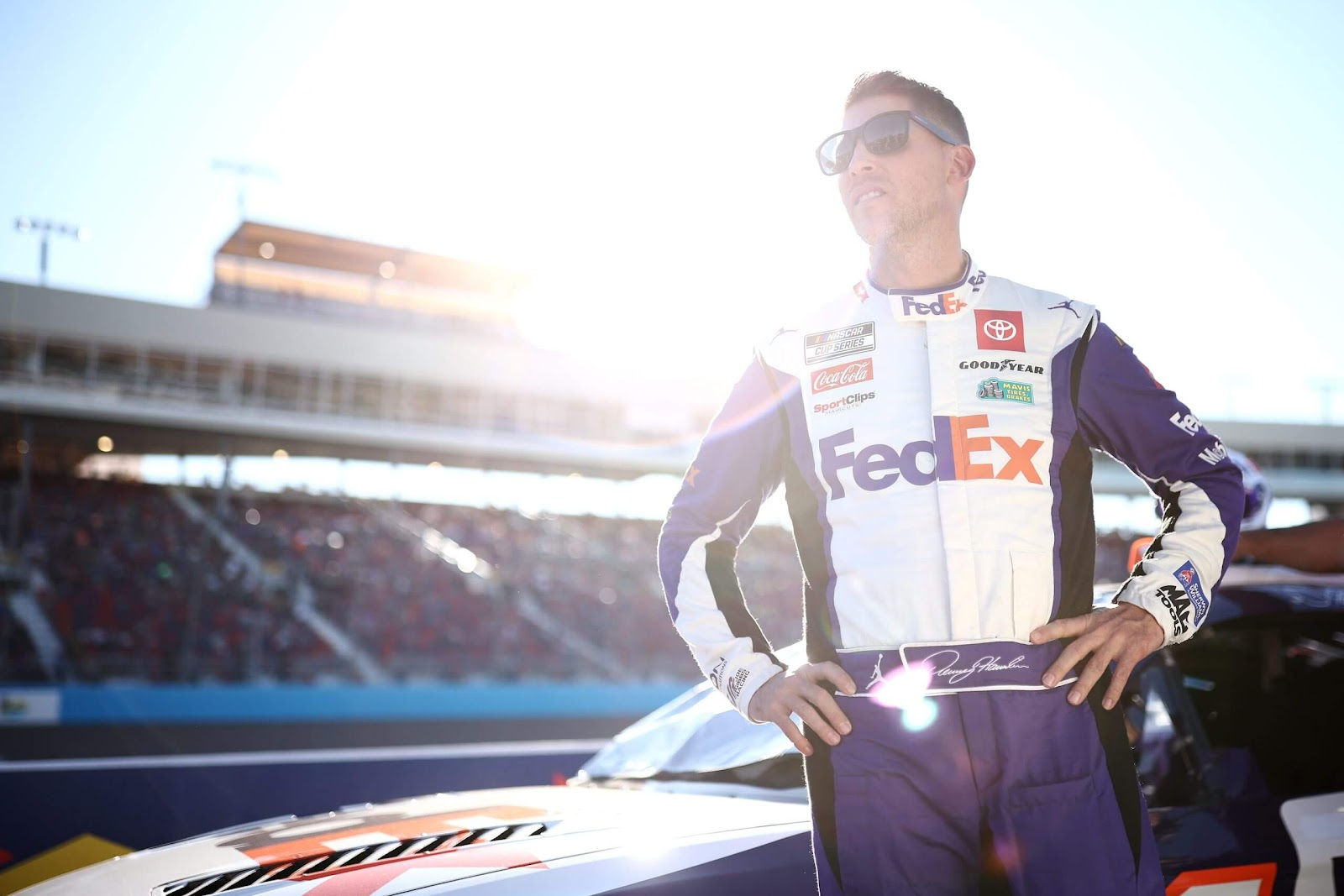
"partnership between FedEx and JGR ended after the 2024 season, and a replacement still hadn’t been secured by late January when the No. 11 team’s hauler had pulled into Charlotte Motor Speedway before that weekend’s season-opening Clash exhibition race. That JGR wasn’t able to immediately land a replacement for a driver in Hamlin, who’s one of the most recognizable and successful current drivers, seemed to speak of a bigger issue — an indictment on the state of NASCAR as a whole. In some circles, alarms went off.
In March, JGR announced Progressive Insurance had signed on as primary sponsor for the 18 races that had not yet been filled. The news cast a spotlight on both the ever-changing landscape teams are fighting on the sponsorship side and why teams are largely optimistic about the direction the sport is headed (Bianchi, 2025). "
"When NASCAR announced its deal with Prime in late 2023, the excitement expressed by the league was offset to some degree by a number of teams who, while encouraged, also had reservations on whether a sport dependent on corporate sponsorship was meant to air on a subscription streaming service.
Multiple team executives said they had companies outside the sport reach out to them wanting to explore potential deals solely because of the value Prime offered.
A similar reaction occurred last August when NASCAR announced Mexico City’s addition to the 2025 Cup schedule. Several companies were intrigued by the potential marketing opportunities, envisioning a large crowd of fans when NASCAR visited the Autódromo Hermanos Rodríguez circuit.
Not too long ago, it was common for a team to have an anchor sponsor on its car for 20-plus races, if not the near entirety of the 38-race season. JGR, for one, operated under this model; it had long-term, big-money contracts with several Fortune 500 companies to back its four teams and rarely had any holes.
The game has changed, though, and JGR and other teams have had to evolve with it. As much as teams would love to have one main sponsor for 30-some races, this is no longer feasible.
Many companies now understand that while being involved in NASCAR brings value, that value doesn’t translate to being the primary sponsor for so many races. It’s become about maximizing return on investment, and in many instances, that means identifying key markets and focusing marketing efforts heavily on this.
This model has paid dividends for RCR, even helping position the organization to land one of the biggest named drivers, Kyle Busch, to hit the free agent market in many years.
Outside of a few exceptions, gone are the days of a team having one primary sponsor for the entire season. This trend will likely continue. But at the same time, the number of companies interested has changed, too, with more enticed by NASCAR’s changing complexion (Bianchi, 2025)."
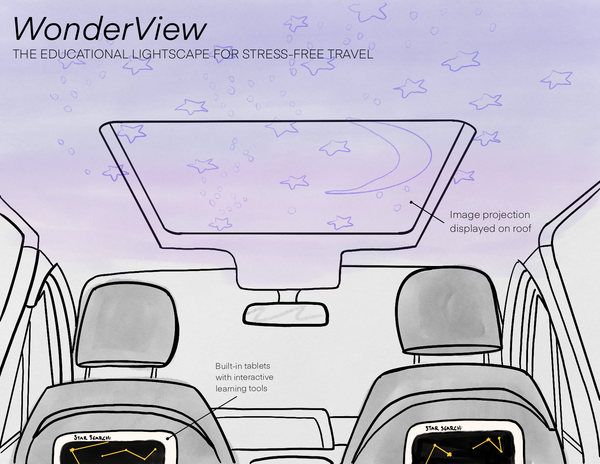
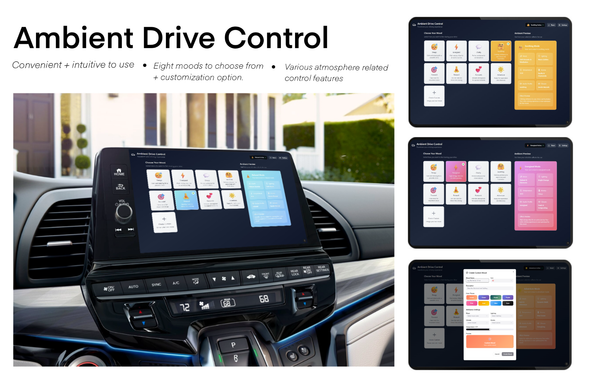
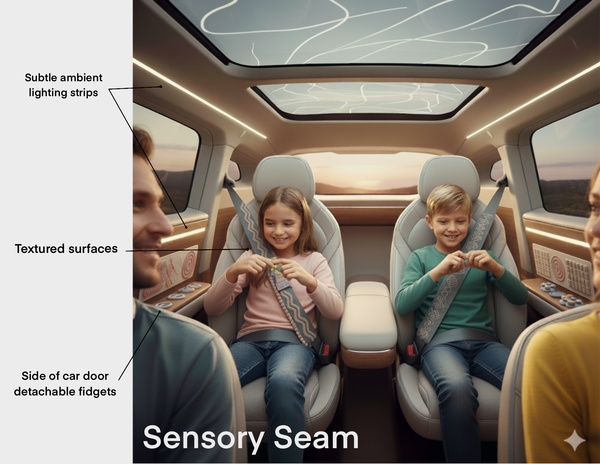
The article addresses the shifts in which NASCAR is moving to keep their operations as a buisness. Race cars have been seen as a key point of advertisements and funding for NASCAR events. It was common for a company to sponsor a car for years, so when non-sponsor vehicles began to race, it sparked concern for the audience. NASCAR has made a deal with Amazon, allowing for more sponsorships to rotate on cars, creating what appears to be a better solution for both parties involved. I was particularly interested in looking into this buisness model because of its unique perspective when looking at how cars operate and their purposes. This business model uses the exterior of the car to promote businesses, which is different than typical family vehicles. Although vehicles are a representation of their brand and their exterior models could influence customers as well. This article also made me consider the types of atmospheres inside a car designed for racing and how these extremes can change the driver's experience. Can calm be produced in both of these scenarios? How might we address safety in a family vehicle and a race car? Although these are very different sides of the spectrum, I am interested in how they play a role in the business models of cars in my capstone project.
References:
Bianchi, Jordan (2025, May 23). NASCAR sponsorship model shifts with Amazon. The New York Times. https://www.nytimes.com/athletic/6377324/2025/05/23/nascar-sponsorship-model-shift-amazon/
AI was used to check grammar this reflection.