I Left a Plastic Water Bottle in a Hot Car. Is It Safe to Drink?
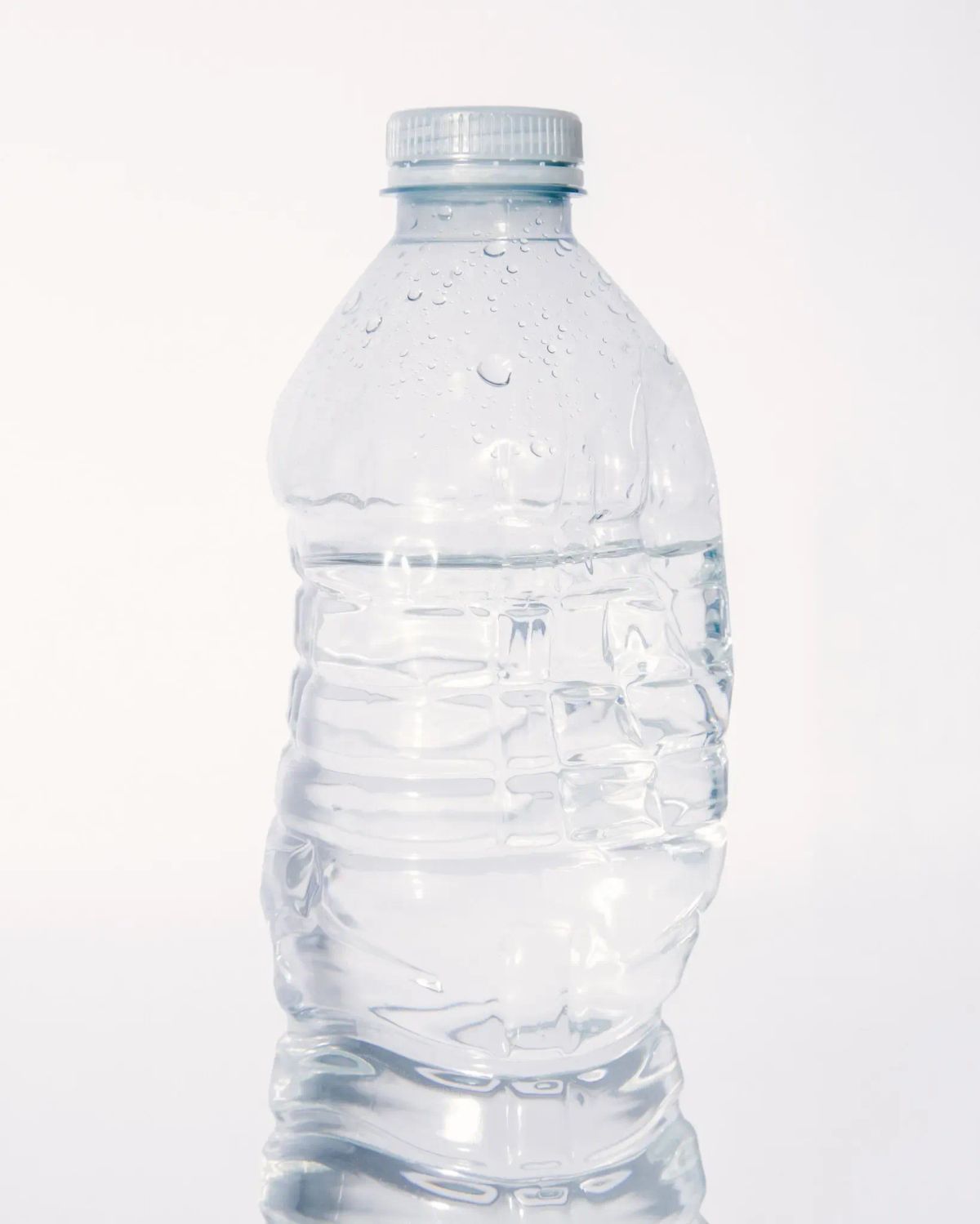
When I first saw this headline, my first instinct was “Wow, this fits so perfectly with my capstone!” After all, my group is researching how plastic affects our everyday lives and how we can promote more reducing, reusing, and recycling.
"Many single-use plastic water bottles are made from a form of plastic called polyethylene terephthalate, or PET, said Nicole Deziel, an environmental epidemiologist at the Yale School of Public Health" (Moyer, 2025).
"When PET-containing bottles sit in the heat or in sunlight, they can release various kinds of chemicals, including phenols like bisphenol A, or BPA, and phthalates, she said" (Moyer, 2025).
“'Phenols and phthalates are endocrine disruptors, meaning they interfere with the natural hormones in our body,' she explained" (Moyer, 2025).
"Water stored in plastic water bottles often contains tiny bits of plastic known as microplastics. A 2018 study analyzed water from plastic water bottles purchased in nine countries and found plastic fragments in 93 percent of them" (Moyer, 2025).
"UV light has been shown to break down plastic polymers into smaller fragments, which 'very likely' might then leach into the water, he said" (Moyer, 2025).
"It’s unclear what these microplastics might do to our bodies. But they do seem to stick around: When researchers analyzed the tissues of recently deceased humans in a 2025 study, they found that microplastics had accumulated in their kidneys, livers and brains" (Moyer, 2025).
So not only do we have to worry about plastic bottles leeching chemicals into the water, there is the added bonus of drinking microplastics with every sip. Furthermore, scientists are still very unsure what exactly the side effects are of microplastics in our bodies.
However, as I scrolled into the 450+ comments of this NYT article, one in particular stuck out to me. Dan King from Vermont wrote this on August 13th:
"The irony is that millions in third-world countries rely on PETE plastic bottles to make their water safe to drink" (Moyer, 2025).
A quick Google search tells me that Dan is right. In America, this flimsy plastic water bottle is wasteful and frivolous. But to someone else, it might be their only source of clean drinking water. In countries torn apart by war, occupation, and poverty, plastic containers are a lifeline for food, water, and aid supplies. The irony isn’t lost on me. While people are switching from plastic dish scrubs to fancy bamboo ones due to fears about microplastics, we forget that plastic is simultaneously a toxic material and a tool of survival.
Perhaps then, the challenge of this project is in the framing of how we understand plastic products. Instead of demonizing it completely, we have to recognize the nuances of the different contexts it exists in. Grappling with my own privilege as an American student, designing this project takes on another meaning. It’s asking how we can reduce, reuse, and recycle plastic products here, but also, how do we honor its vital role elsewhere.
No generative artificial intelligence (AI) was used in the writing of this work.
References
Moyer, M. W. (2025, July 29). I Left a Plastic Water Bottle in a Hot Car. Is It Safe to Drink? . The New York Times. https://www.nytimes.com/2025/07/29/well/eat/plastic-water-bottle-health-microplastics.html