Incorporating Fort Like Elements into Backseat Design
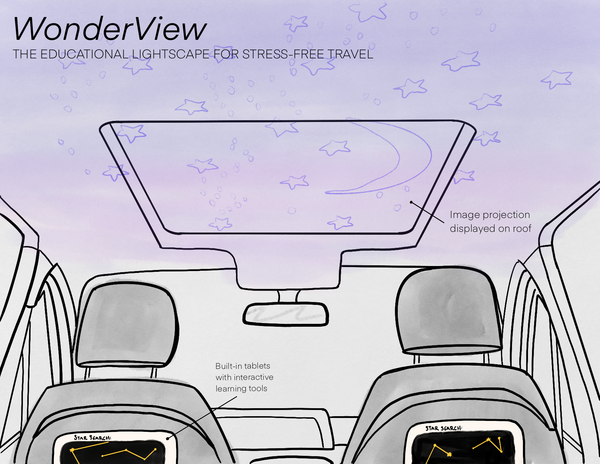
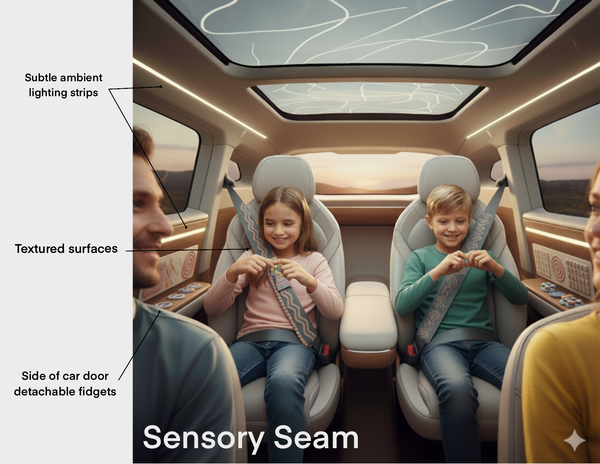
This article is useful for my research because it delves into the psychological and developmental benefits of fort building and confined structures for children. Experts explain that constructing and inhabiting forts allows children to create personal spaces where they can experience a sense of control and safety. This is particularly important during times of uncertainty.The act of occupying a fort can help children regulate their emotions providing a sanctuary where they can relax and recharge. For my design this can help by incorporating elements that allow children to create their own spaces within the backseat could promote relaxation being during travel. Features like a structure, privacy screens and a sense of personal space could enable children to personalize their environment. This sense of personal space could help control there emotions and avoid that sibling rivalry that parents want to avoid. How can I incorporate a fort like structure that doesn't distract that driver for unsafe driving and can be personalized for a kid?
In Farmington, Michigan, 9-year-old Malia Mitchell has not left her two-bedroom apartment for weeks except for family drives. She understands why but also worries about her grandparents’ and great-grandparents’ health (Margolin, 2020).
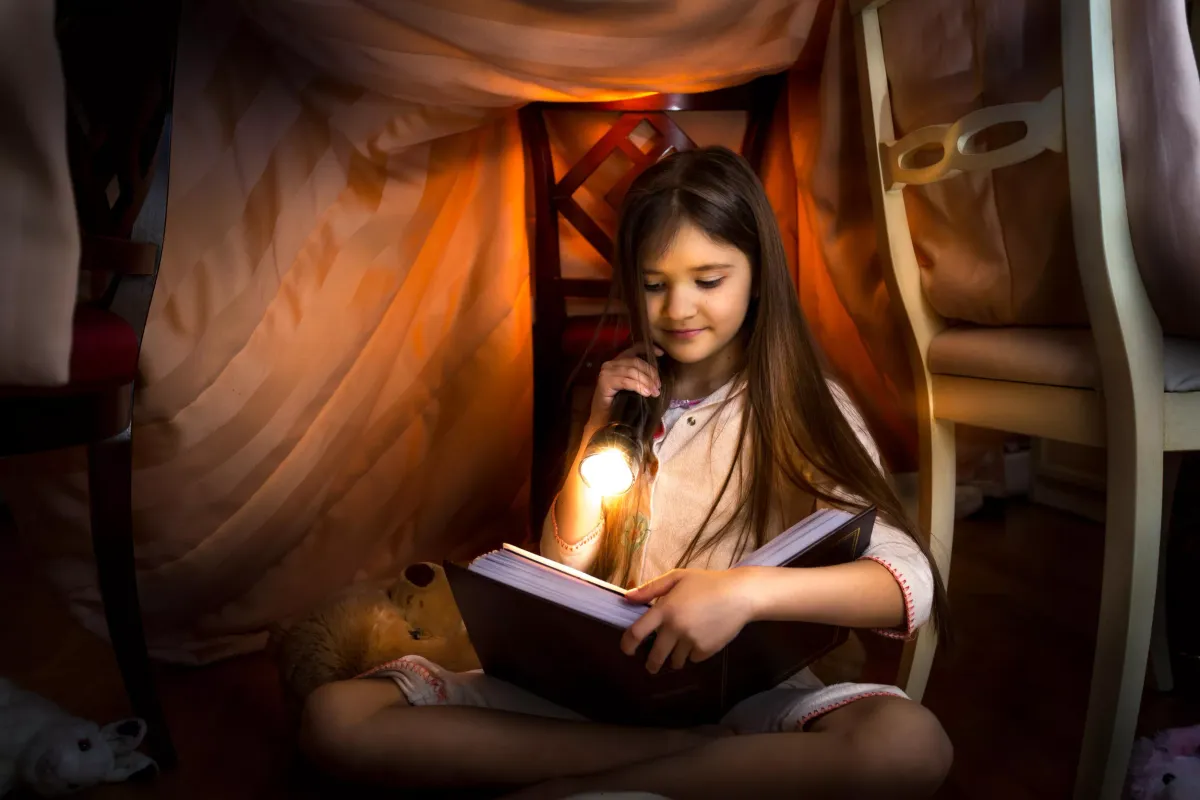
So Malia built a fort behind the couch she calls “my little apartment” stocked with snacks, stuffed animals, blankets and an iPad charger. It is her go-to-place to FaceTime friends, relax away from her parents and baby sister, eat and sleep (Margolin, 2020).
Metaphorically and physically, building forts reflects children’s growth as individuals, Sobel says – they create a “home away from home,” free from parental control. Forts also foster creativity. “A lot of magic happens inside,” he adds (Margolin, 2020).
All forts, according to Sobel, share common traits: They are handmade, somewhat secretive and “You can look out but others can’t see in.” They are safe – physically and emotionally. “It’s your place where you want to be just you, observing but unseen,” he says (Margolin, 2020).
Inside, forts are kids’ private, secure worlds. “I feel like you’re in a safe place, your own bubble of coziness,” says 11-year-old Grayson Drewry, of Port Townsend, Washington. “There are no other things affecting you – you’re blocked out from the world (Margolin, 2020).
Forts also can help kids regulate their bodies and emotions. Being in an enclosed, dark space with buffered sound and tactile sensations can be especially therapeutic for children on the autism spectrum or those who have attention-deficit and sensory processing disorders or anxiety (Margolin, 2020).
Forts help children reset their stressed bodies and brains, says Carol Stock Kranowitz, educator and author of “The Out-of-Sync-Child.” The darkness inside a fort eliminates the stimulus they do not need and intensifies what they do need – physical comfort and solitude (Margolin, 2020).
In the COVID-19 world, our nervous systems are on high alert. We are wired to defend ourselves from environmental threats – which feel more acute for kids with sensory issues. Our brains react with “self-therapy” for protection, Kranowitz says. Self-therapy also can be soothing and fun, such as with forts. “It’s primal,” she says (Margolin, 2020).
Reference.
Margolin, S. C. (2020, May 24). Why kids love building forts – and why experts say they might need them more than ever. The Spokesman-Review. https://www.spokesman.com/stories/2020/may/24/why-kids-love-building-forts-and-why-experts-say-t/
This passage draws on The Spokesman-Review article “Why Kids Love Building Forts—and Why Experts Say They Should” (~40%) as the original source, integrates the author’s own analysis and application to vehicle backseat design (~35%), and includes AI assistance in synthesizing the article’s findings, refining phrasing, and framing implications for child comfort and personal space (~25%). All interpretations remain the responsibility of the author.