Is There Such Thing as Calm Toys?
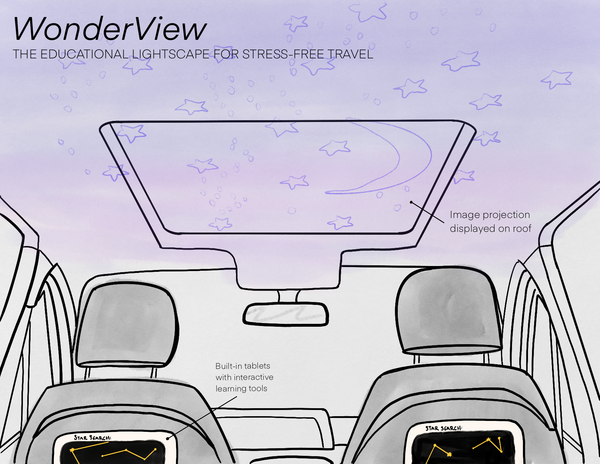
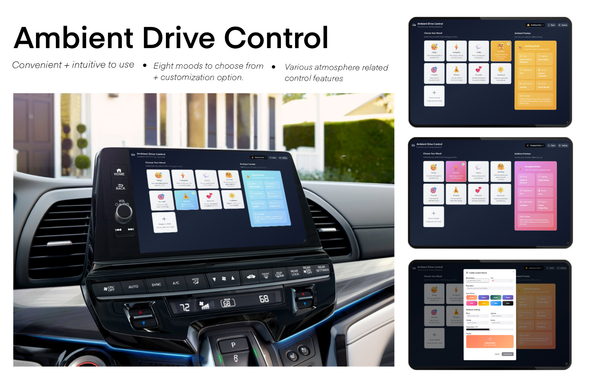
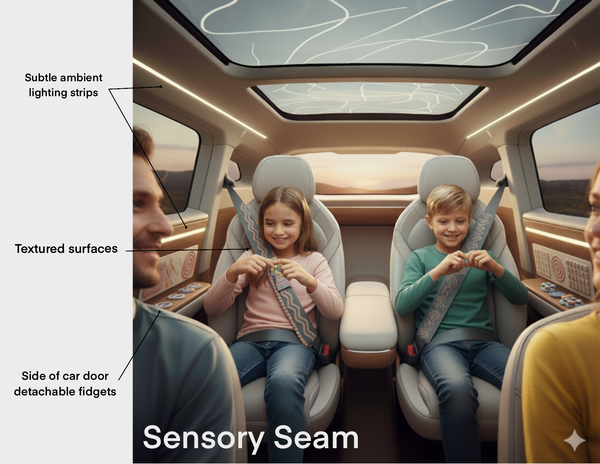
This article is useful for my research because it highlights how thoughtfully designed toys can support children's emotional regulation and mindfulness. It talks about how toys should promote calmness rather than overstimulation. The article discusses various mindfulness toys like sensory bottles that help children identify and understand their emotions and interactive plush toys that teach children to stop, breathe and reset. It also shows a bunch of other toys with benefits of them. These toys encourage children to engage in mindful practices and provide them distractions without screens. This article is helpful because it helps me to think about incorporating features with elements that can hit those sensory cues into the backseat environment. It could be a toy or even something that could be built into the actual seats or roof. How might I incorporate the principles behind mindfulness toys into a backseat design?
The Sensory Bottles are a fantastic tool that teaches children to identify their emotions and spark new conversations about feelings and coping methods. Each bottle reacts differently when you shake it, teaching kids the difference between emotions and that we would like to choose different strategies when approaching them. And they’re so cute to look at and pleasant to hold. We want our children to be friends with their emotions, right? The sensory bottles will make that happen. (de Lieme, V. 2024).
Teaching children how to meditate and breathe mindfully is challenging for many reasons. First, patience is a skill often mastered at an older age, making mindful sitting or lying, seemingly not doing anything, boring and unattractive for kids who want to constantly play and engage. Here comes the breathing owl! Or puppy, or Buddha, whatever you prefer. It’s incredibly soft to the touch and rotates colors, cueing your child to breathe in and out. It also offers seven calming music options, making it the perfect addition to your child’s safe, calm-down place. Both Ilay and Lia have them and love them, and I’m getting one for Emmie, too (de Lieme, V. 2024).
One of my biggest challenges with children’s use of screens is their use of screens as a calm-down strategy. When kids turn to screens to calm down, they don’t (even though it looks like it). They block their emotions instead of processing and understanding them in a way that allows for personal growth. (de Lieme, V. 2024).
However, many of us need to look outward before we can look inward, which is why I love Liquimo. It’s something to focus on while still feeling your feelings; then, with your help, children can discuss and understand what happened within them. Plus – they really look great everywhere in the house (de Lieme, V. 2024).
Reference.
de Lieme, V. (2024, January 13). The best mindfulness toys for kids. Parents Enlight. https://parentsenlight.com/the-best-mindfulness-toys-for-kids/
This passage draws on Parents Enlight’s “Best Mindfulness Toys for Kids” article (~40%) as the original source, incorporates the author’s own reflections on adapting toy-based mindfulness principles into backseat design (~35%), and includes AI assistance in synthesizing ideas, refining phrasing, and framing design implications (~25%). All interpretations remain the responsibility of the author.