
Indigenous Values and Circular Economies


This article from Cultural Survival makes the case that the topic of sustainability must not be limited to material lifecycles only. Products are the result of human needs, and therefore how companies source, create, and dispose of said products are going to have affects beyond materialism alone.
We pass on traditional stories that encapsulate this wisdom and teach the basic principles of living in harmony with nature, self, and others to our youth. In many Indigenous worldviews, regeneration, sharing, and giving back are at the core of harmonious and true sustainable living (Angarova, 2022).
Author Galina Angrova shows how the rising demand of electric cars places environmental stress directly on indigenous communities in America. Angrova argues that adopting ethics from an indigenous worldview can help businesses establish genuine circular economies while respecting the rights and ensuring the health of these communities.
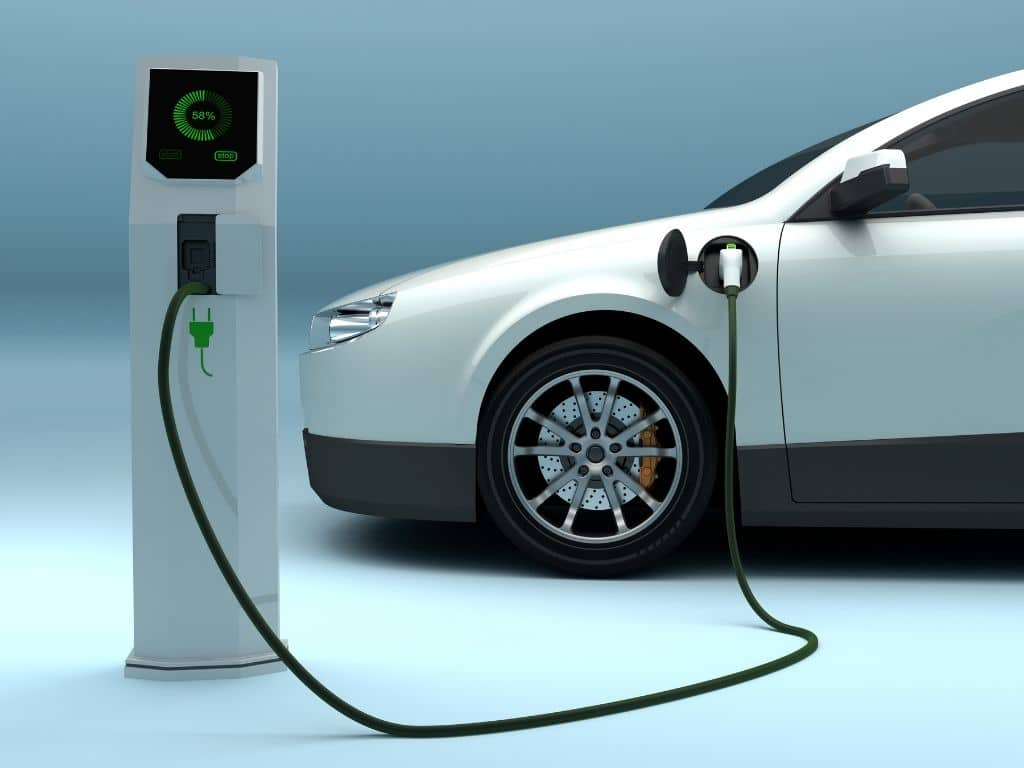
Transition minerals bring a promise of a perfect solution to combat climate change and reduce CO2 emissions, and of a future not dependent on fossil fuels. However, this future comes at its own cost, as it will require a higher demand for minerals, and therefore an increase in mining—and Indigenous Peoples’ livelihoods, lands, and territories globally are directly threatened by this.
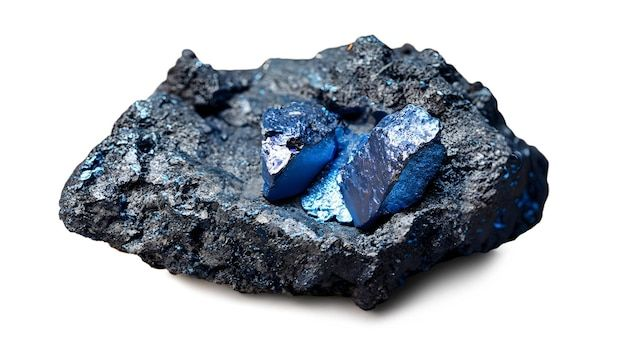
In the United States, the vast majority of mineral reserves are within 35 miles of Native American reservations.
What I appreciate about this article is its wholistic approach to production. Products are parts of systems and they do not exist in isolation from the broader scope of human life and culture. That is the reality that the Local Loops team faces as they design alongside NDC and Columbus residents.
According to the International Energy Agency, getting to net zero carbon emissions by 2040 will require a six-fold increase in mineral input by 2040. Some key minerals such as lithium could see growth rates of demand over 40 times the current level, with demand for nickel and cobalt growing more than 20-fold. In February 2021, the price of lithium hit an all-time high of $50,000 per tonne, up from $10,000 just one year prior.
Design outcomes are going to be inspired by the communities within the city, while also functioning to fulfill a need identified and agreed upon between the team and these residents. In regards to circularity, it is important to highlight how the Local Loops team is working with inorganic, non renewable plastics, as opposed to the more biological materials involved in indigenous lifestyle.
Circular economies take into account every aspect of the product life cycle, from production through what happens to the elements of the product after its lifespan has ended.
Working with plastic means managing permanent objects responsibly. Working with natural materials means stewarding ephemeral items for the next generation. In either case, there is no human activity that does not modify the environment. Sustainability activists must be able to answer, "what kind of environmental change is acceptable?"
References:
Angarova, G. (2022, June 1). Returning to circular economies rooted in Indigenous values. Cultural Survival Quarterly. https://www.culturalsurvival.org/publications/cultural-survival-quarterly/returning-circular-economies-rooted-indigenous-values