Industrial Products Repurposed as Habitats
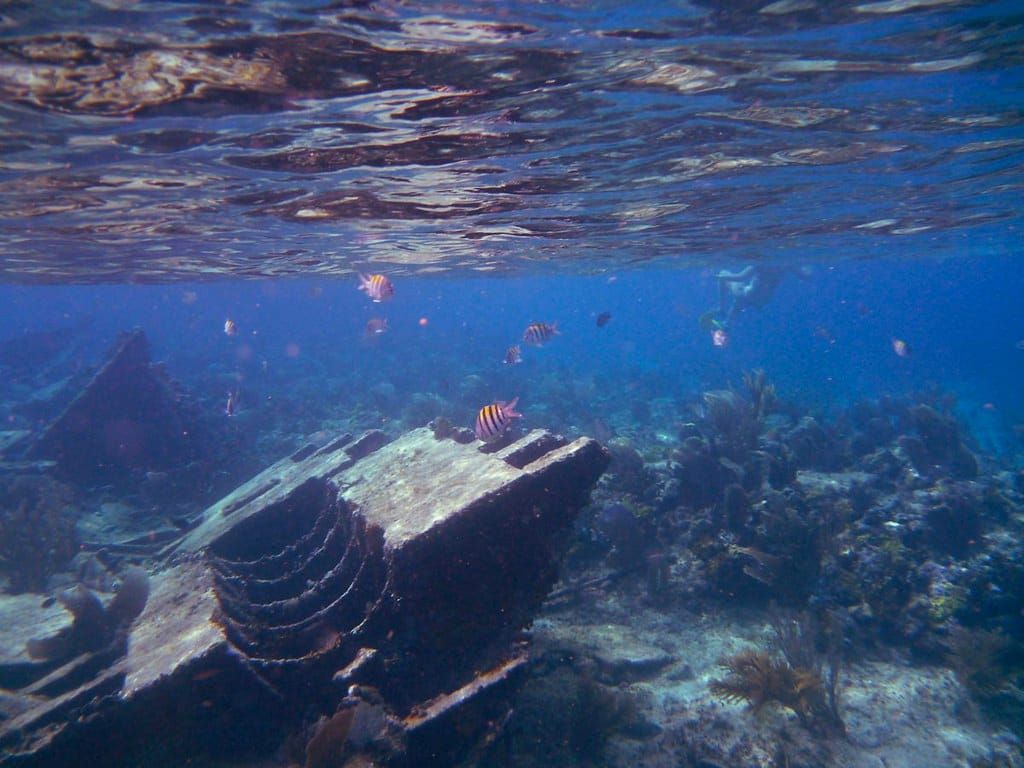
Artificial structures, such as submerged reefs and habitat modules, are increasingly used to enhance fish habitats in both marine and freshwater ecosystems. These structures provide shelter, breeding grounds, and feeding areas, particularly in environments lacking natural cover. FishSens highlights the benefits of such interventions, noting that artificial reefs can fill habitat gaps and support fish populations.
Outside of aquaculture, the idea of artificial structures benefiting natural ecosystems has been around for years. As far back as 1999, a study in the Marine Pollution Bulletin noted that artificial structures should be utilized as a tool in conservation and ecosystem rehabilitation.
Today, natural resource managers utilize artificial structures to enhance aquatic habitat quickly and often at a lower price. According to the Illinois Department of Natural Resources (IDNR), artificial structures may be easier to obtain and are sometimes repurposed from past projects to have a new life as fish habitat.
From PVC pipes to concrete “spider blocks” to wooden beams, natural resource departments can quickly create habitats for aquatic organisms by dropping these structures to the bottom of lakes, ponds, or rivers.
The IDNR notes that adding these structures to man-made water bodies, such as reservoirs, is especially useful since they may lack natural vegetation. And while they acknowledge that using natural structures would be better, as organisms are likely more adapted to those materials, they can still benefit fisheries stocked for recreational use.
When ecosystems are degraded, artificial structures can jumpstart the succession process and help build the base of an aquatic ecosystem.
After interviews with the Indiana Department of Natural Resources, I found that they have a history of utilizing artificial structures to improve fish habitats. In the 1970s and 1980s, they employed cinder blocks and tires as submerged habitat features for species like catfish. However, these materials posed environmental risks, including potential contamination hazards. Recognizing these issues, DNR divisions across the country have since been exploring safer and more sustainable alternatives. Modern approaches focus on using non-toxic, durable materials that mimic natural structures, thereby enhancing fish habitats without introducing new ecological concerns. My interview participant also informed me that Indiana, in particular, is more likely to use natural resources in natural lakes and artificial structures in their dams and other man-made waterways.
References.
Baxter, S. (2025, September 22). How Fish Benefit From Artificial Structures - FishSens Magazine. FishSens Magazine. https://www.fishsens.com/how-fish-benefit-from-artificial-structures/
Sunken ship. (2025, September 30). Flickr; Sunken ship | d.neuman | Flickr. https://www.flickr.com/photos/85925434@N00/4331032647
This review draws on How Fish Benefit from Artificial Structures (FishSens, 2025) (~40%), my own contributions summarizing ODNR’s historical use of cinder blocks and tires and the search for safer alternatives (~30%), and AI assistance in synthesizing, summarizing, and drafting the review (~30%); all interpretations remain the responsibility of the author.