Innovations in recycling
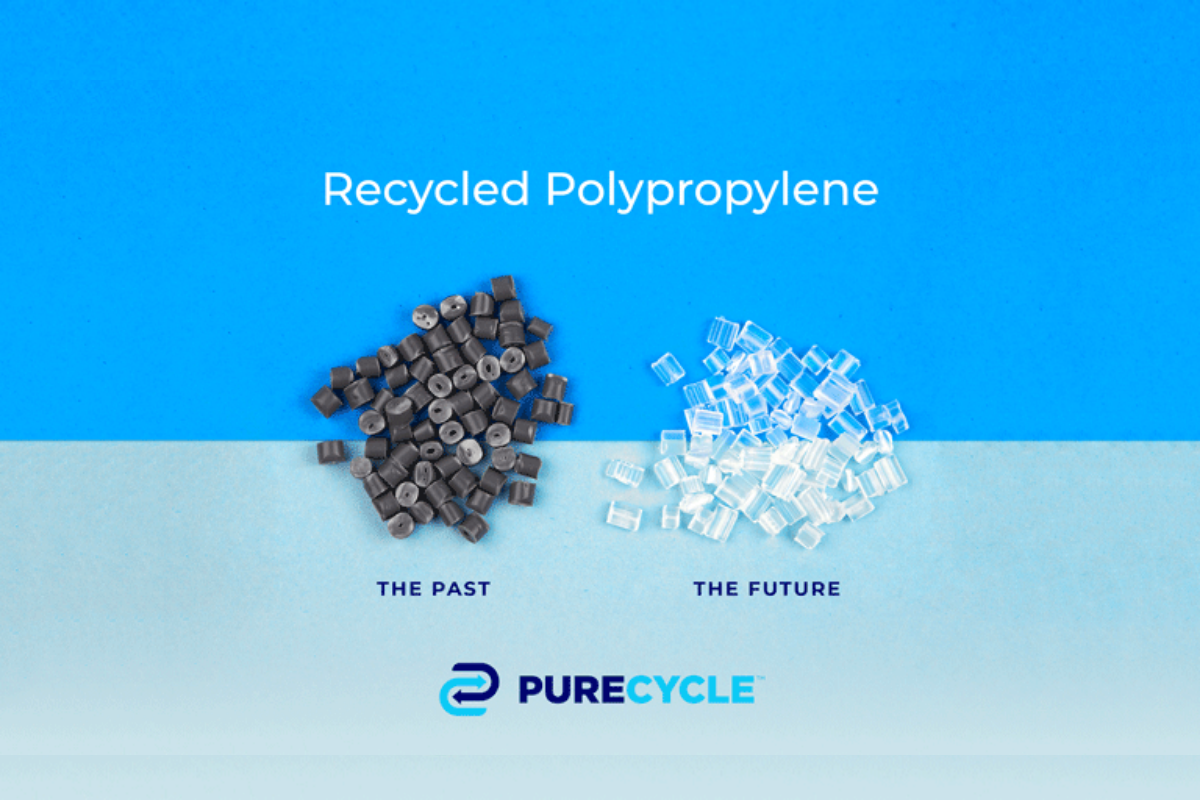
Through the work of two researchers, they are trying to look at plastics as resources for future products instead of byproducts. Raising the idea that plastic is a valuable renewable resource which is an interesting point of view. In terms of quantity compared to other renewable resources, there is an extremely large amount of discarded plastic ready to be used. It isn't infinite like wind or solar, but if companies were forced to only use existing plastics I would bet that we'd be able to make it pretty far until we "ran out". Although we wouldn't ever really run out with the methods and technologies that are being proposed.
Plastic waste is one of the most urgent environmental issues of our time. Less than 10 percent of the plastic we use is recycled, and there’s currently an estimated 100 million tons of plastic in oceans around the world. But what would happen if we stopped thinking of plastic as waste, and instead as a valuable renewable resource? (Cook, 2024)
Scientists around the world want to find out. The plastic “end-of-life challenge” calls for new ways to recycle and reuse plastics endlessly in a closed loop system, so they never become waste. Innovation on that scale would convert the current “make-take-dispose” linear economy into a circular economy, where recycling plastic for eternity is possible (Cook, 2024).
One scientist has made a significant advancement. John Layman, head of material science at Procter & Gamble and chief technologist and founding inventor of PureCycle Technologies, developed a revolutionary process to remove color, odor, and contaminants from polypropylene plastic waste and transform it into a “virgin-like” resin, which is the basis for plastic products. PureCycle’s technology presents a major development in recycling capabilities, and focusing on polypropylene is especially notable. It’s the second-most used plastic in the world, yet only 1 percent is currently recycled (Cook, 2024).
Layman agrees. While studying plastics in graduate school, he was amazed at the volume of material being produced, and horrified by how much was ending up in the environment. “Since the day you were born, there’s a pile of trash with your name on it,” he says. “The first diaper you wore as a newborn is likely still on this planet somewhere.” (Cook, 2024).
To recycle polypropylene into higher-value products, Layman knew he would first have to purify the plastic waste, and in an energy-efficient way. He worked on the discovery phase with financial backing from an internal seed fund program at P&G. The resulting PureCycle technology relies on a physical solvent-based process that uses less energy than a chemical process because it doesn’t have to break down and build up the molecule. “It’s the combination of the solvent choice, plus specific process steps, that enable us to purify this material in a way that nobody’s been able to do before,” he says (Cook, 2024).
That’s where Milliken’s additives come in—they can modify PureCycle’s polypropylene resin for use in a diverse set of applications. For the first time, recycled polypropylene doesn’t have to become a car bumper. Purified and modified, the resin can be molded into different products with different properties in a closed loop (Cook, 2024).
Closing the loop in manufacturing with these technologies and practices would be a major game changer in the volume of what is being thrown away. Being able to purify the plastic with a solvent to then bring value into its next life improves the likelihood for circularity. However it does make me question what barriers may lie ahead in actual implementation. Would there be off gassing or other environmental impacts with the increase in scale?
Reference.
Cook, S. (2024, May 10). Innovations in recycling. Science. https://www.nationalgeographic.com/science/article/paid-content-innovations-in-recycling