Interview with Lynelle, NP for Pediatric Oncology
Interview conducted with Lynelle Kristine, September 16, 2025. I prepared 11 questions to help guide the conversation.
- What ages do you work with?
- What types of techniques do you use? How do they change when working with adults vs children?
- How would you define mindfulness? Does it change in the context of working with children?
- In your experience, how have you seen the impact of your practice? Have you noticed an impact on the emotional states of clients? Children?
- What challenges do you face when working with children?
- How do you introduce mindfulness to children who may be unfamiliar? How do you make abstract concepts understandable for children?
- How might parents be encouraged to teach mindfulness practices to their kids? How do you address the importance?
- What has been your most rewarding experience about practicing mindfulness with children?
- How do you see the role of meditation/mindfulness practices evolving for children in the future?
- The more I learn about these practices the more I notice how many skeptical people there are. How do you remain steady in a practice that not everyone may understand?
- If you could design the “ideal environment” for children to meditate in, what would it look and feel like?
Lynelle provided lots of valuable information. This did not follow a typical Q & A style interview, but a informative conversation. She explained various exercises and techniques she uses in her practice, which focuses on breath work and reiki. She also addressed her personal experiences working with patients. She works directly with families, and children of the oncology unit at the Cleveland Clinic.
"They're just like big emotions. They need to like some avenue of releasing it. And so when you give them a space and you're like, okay, this isn't punishment. This is you, this is time for you to take those breaths. And then you're literally taking them to a space that they created."
"So I have like one of my clients, she's a, we did this with her. I mean, I do it with most of them, but I'm thinking of her in particular. When she gets frustrated and overwhelmed with homework, I said, look at your parents. Cause now they know the plan and you're like break. And I go, go create a space. She was eight at the time. And I said, put your crystals in there, put your favorite things in there. And she's like her and her mom, she goes, oh, I'm going to go into that cubby in your office. And she made, she put her blankets and she made all this space. So they know when she needs to go in there. They don't have to hyper fixate on what's wrong, what's wrong, what's wrong."
It's like, she can go and breathe. And when she wants to talk, we can talk.
So now you're creating like their own sanctuary versus a bad time out of go to your room. Cause they don't hear anything you're saying all the shame, guilt, anger. Cause they're not hurt.
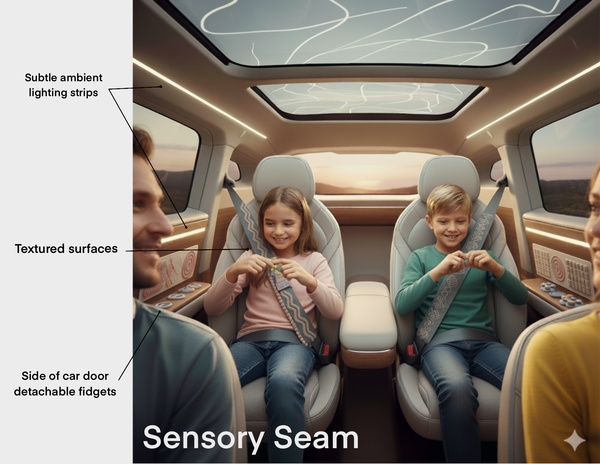
So in that same way, when you think of the car, it's like, what do I want in there? That is peaceful for me. And you don't have to make it overwhelming because you don't want to give them too much noise, two books, maybe a blanket and a snack or something"
She told me about her experiences working with patients and that her techniques can manifest physical reactions in the body. In her experience, children are more accepting of these practices because they don't have as many "layers" or opinions/judgements from outside factors.
How do you address the important importance of these techniques to parents?
"Get them to be on board and like continue this in like a daily situation. Because they see the effects on them (their children) and on themselves. They feel me pulling off of them as I'm working on their child (referring to the removing of energy through reiki practices). But they see what a difference it makes and then they see what happens when they don't do it over time. Also make them (parents) accountable because you have a responsibility. You are here to allow them to expand and contract, but you're here to be safe. I have a lot of people, I work on the parents and the children. She was two and she's six now, and I've worked on them before. And it's amazing to watch her, and she'll always know, she's like, mom, just wait in the car, I'm gonna stay in here. It effects emotional and behavioral aspects in children because the more you move off for kids also the same as adults the more smog you take off you take out the more clarity you have So you're calmer. So what might've triggered you before, it doesn't trigger you in the same way because your volcano is not full."
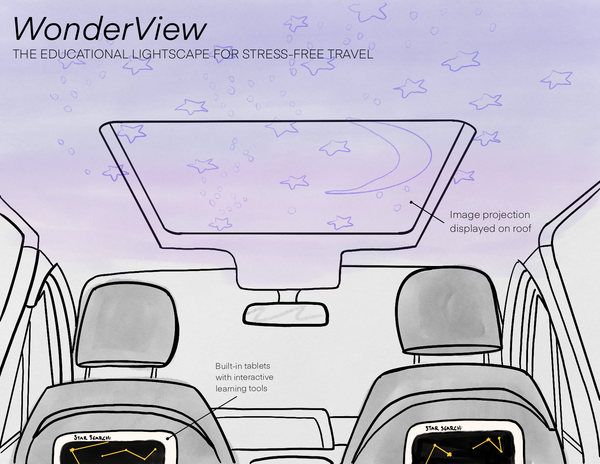
"In the car, you can do things and they can even create it. I was going to say this, is you can put on like sound bowls or like chimes. There's music and you can even pick a frequency that you like. This frequency releases stress. So there's different frequencies for the heart, the head, stress, and then it'll move the energy out. I'll put on sound bowls for the kids sometimes as I'm they're floating or they're watching I have to To YouTube channels of water and waves and turtles. And so they watch it and they, it knocks them out as I'm pulling stuff off of them."
She connects her practice to the physical health and body of her patients. She has seen how meditation can help create a better emotional state for patients, but also help to improve the health of vital organs in the body.
"So even when you think of neurological, all that, the oxygen's not getting to the body. So it's gonna dysfunction that organ. in that system, so even neurological stuff, spine stuff, all of that, the cells are smogged. When you move it out with the breathwork and move it, the body can heal."
This interview provided me with a unique perspective from a professional with experience in a mindfulness-centered field. Although her expertise focuses on dealing with extremely emotional situations in hospitals, she provided me with a wide range of practices she used and her experiences with how the practices have made a difference in people’s lives. She also provided tactile aspects that could be implemented in creating a calm atmosphere in the car.