
Is Recycling a Lie?

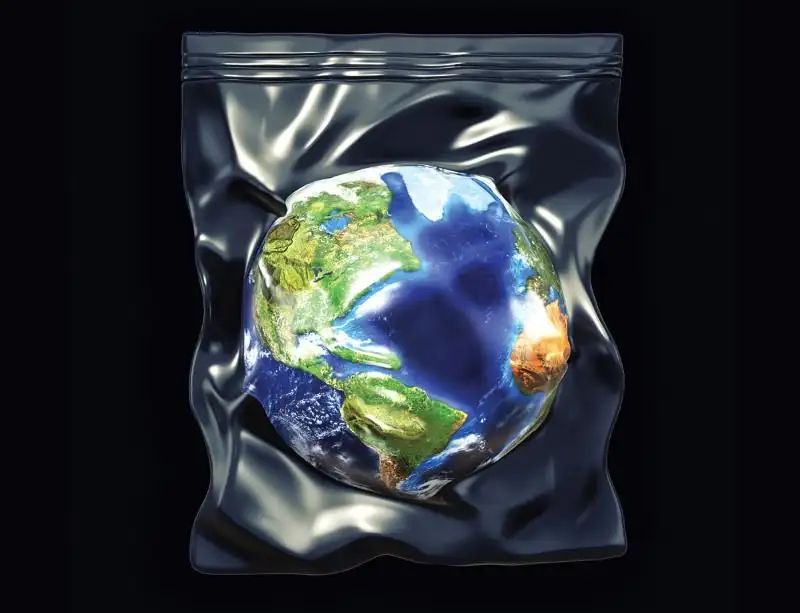
This article from Earthday.org provides a number of concerning statistics about the plastic industry and recycling initiatives. While these observations make for an accurate diagnosis, the article errs in its prescription.
Plastic consumption has quadrupled in the past 30 years, and is expected to triple in the next 30. Meanwhile, global plastic recycling rates have failed to reach two digits. Less than 10% of all the plastic ever produced has been recycled (LightCap, 2023).
In fact, just 5% of U.S. plastic waste is properly recycled. Globally, the plastic recycling rate is slightly higher at 9% but both of these numbers indicate that the effort you take to carefully sort your recyclables from your trash is almost for naught because most of our plastic ends up in either landfill or the environment

Earthday.org is an environmental activist group that seeks to change local and global law in the name of sustainability. The authors have no issue using accusative language to emphasize the malignant role of "big oil" in deceiving consumers into thinking plastic is recyclable.
The fossil fuel industry makes $400 billion a year producing plastic. With energy demands shifting from fossil fuels to renewable energy, it is an industry that recognizes and has communicated repeatedly to its shareholders that future profits will increasingly come from the production of plastics
The article ends with a call to action - to sign a petition calling for a 60% reduction in plastic production globally.
In 2019, the oil industry launched a billion dollar campaign, The Alliance to End Plastic Waste, that cynically promoted recycling and clean up efforts, instead of calling for a limit on plastic production... It helped shift the blame for plastic waste off the producer and onto the consumer.
There are three observations to make. First, a global, unilateral reduction on plastics does nothing to curb the role of consumers in choosing plastic products for their ease of use and price point. You vote with your wallet, and "sustainable" products are often not affordable alternatives.
Coinciding with these ad campaigns ... came the birth of the Resin Identification Codes (RICs)... It was a brilliant piece of marketing... It duped us into believing that plastic is recyclable.
In truth while, 30% of number 1 and 2 plastics are recycled, numbers 3 through 7 are much more difficult to be repurposed. In fact, numbers 6 and 7 are virtually impossible to recycle.
Secondly, the claim that plastic #6 (Polysterene) is "virtually impossible" to recycle is false. Local loops sponsor; Marble Plastics almost exclusively recycles #6 plastic.

Although the world struggles to recycle plastic, other materials like aluminum, paper, and glass are recycled successfully.
Glass is another recycling success story. Germany and Switzerland both have approximately a 90% recycling rate for glass. The U.S. has remained relatively stagnant with around a 30% glass recycling rate...
Finally, it is unclear how this reduction in plastics would apply to different industries. For example, Plastic Medical instruments are typically required by the FDA to be single use and disposable.
References:
Lightcap, L. (2023, November 15). Plastic Recycling Is a Lie. EarthDay.org. https://www.earthday.org/plastic-recycling-is-a-lie/