Is Recycling Worth it?

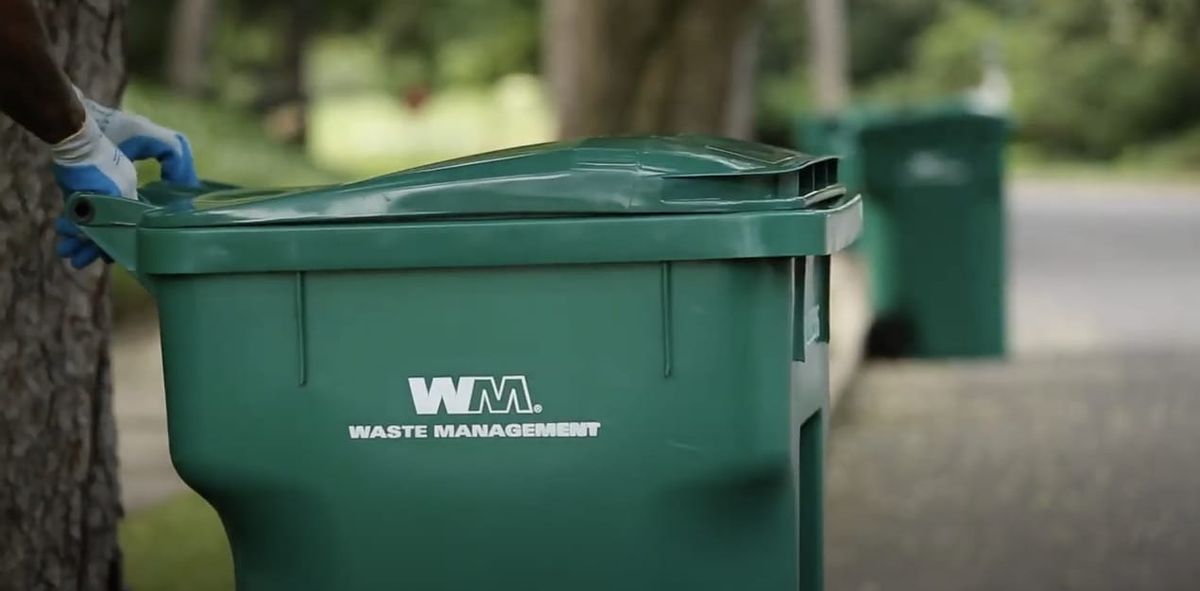
This article weighs the pros and cons of recycling from a business standpoint. The authors outline a number of barriers businesses face, particularly as it pertains to the sorting process and waste facilities and how this adds cost to overall production.
Yet for a business or organization considering the costs of waste management, recycling is another expense that gets added into operational overhead, a cost that is growing in comparison to conventional trash disposal (Romuno, 2021).
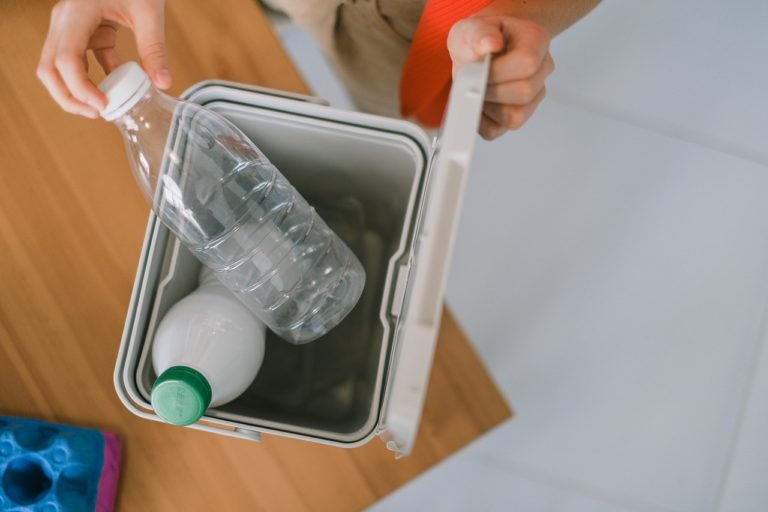
Currently, in the United States especially, recycling is more expensive than simply throwing materials away. The reasons for this are complex and rooted in the global market for scrap materials, the price of oil, and our continued reliance on cheap, single-use products. So, is recycling really worth it, and does it truly help with our trash problem?
For many years, recycling was relatively cheap. North American and European countries were sending millions of tons of recyclables to China, where they were bought at a price that helped offset the cost of local recycling schemes in exporter countries.
The history of recycling education has involved a high degree of optimism; while these programs offered the public a way to psychologize sustainability, the practice of recycling got a hard reality check in 2018 with the passing of China's National Sword Policy.
Yet in 2018, tired of importing low-quality and contaminated materials, China stopped buying recyclables from overseas. The National Sword Policy, as it’s known, caused the price of scrap materials to plummet as exporting nations were left with waste that they could not process themselves, having relied on China instead of investing in domestic recycling facilities.
For plastic recycling, in particular, the global restructuring of the scrap market has been a disaster. The low value of scrap and high costs of recycling, coupled with low oil prices, means that recycling plastic now costs more than manufacturing virgin plastic.
In a nutshell, the policy ended all plastic waste buy-back programs in China. The reasons for this policy are still not completely clear, but a simple observation is that the pollution these programs created as well as the health issues this posed for local workers was casting the nation in an increasingly negative light.
The bottom line is, even recycled plastic goods will end up in landfill or incinerators at the end of their useable life cycles.
The passing of this policy also exposed to the general public the uncomfortable truth: for years, the US and other countries were not running recycling programs out of sheer virtue, but because of a real business incentive.
There are other materials where recycling is cost-effective. Aluminum is one of them, as it is indefinitely recyclable with no loss of quality. It takes around 95% less energy to produce recycled aluminum than it does to produce the material new. Aluminum is one of the most highly-recycled materials in the world, and there is a very large and growing market for it.

Additionally, glass is infinitely recyclable with no loss of quality and easier to do than creating glass new, although the energy savings are not as high as with metals.
While recycling may not always be cost-effective from an immediate financial standpoint, it does have clear benefits that translate into worth in other ways.
Designers and business owners can continue to use plastic if they choose but must confront the difficulty in running a cost-effective recycling system. Thankfully, many highly recyclable alternatives to plastics exist, such as aluminum and glass.
References:
Romuno, J. (2021, May 11). Is recycling worth it? A look at the costs and benefits of recycling. RTS. https://www.rts.com/blog/is-recycling-worth-it/