Lake cleaning machine

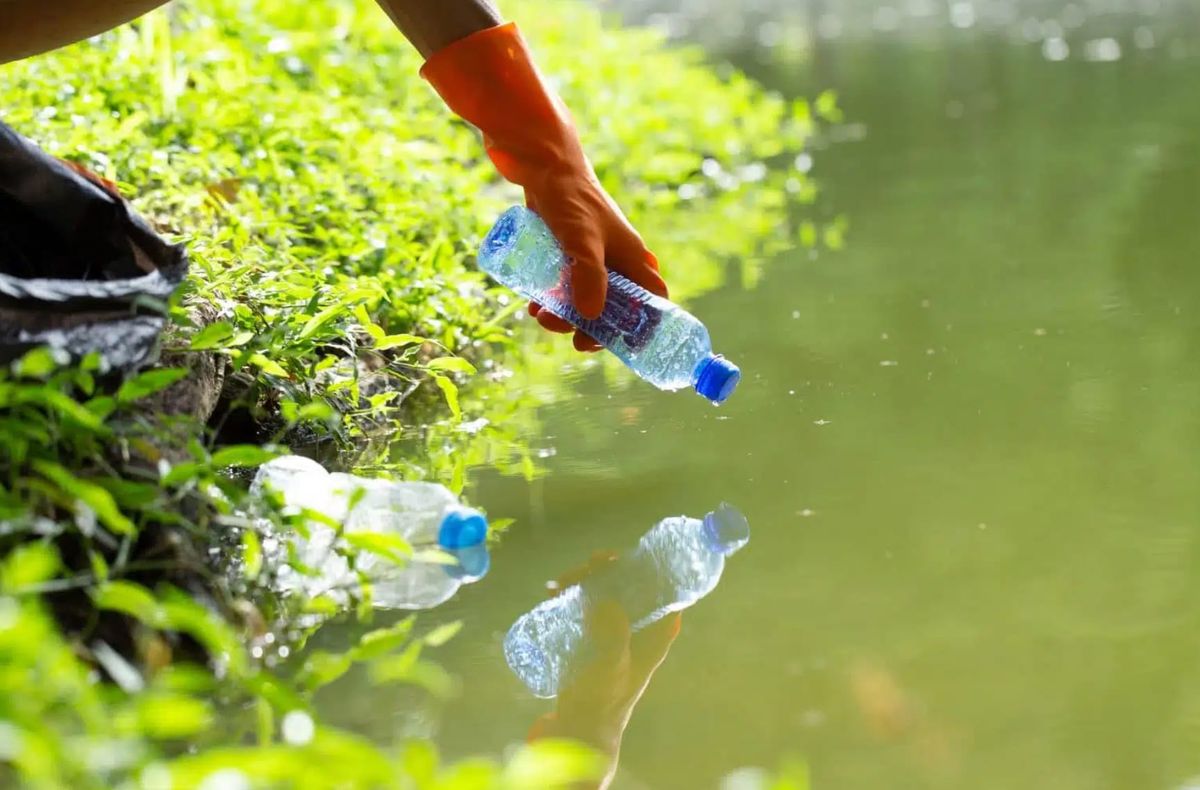
The authors of this paper, Patil et al., are mechanical engineers from St. John College of Engineering and Management. In response to environmental degradation, Patil et al. designed an automatic lake cleaner machine to remove surface pollutants with little environmental impact.
Here’s an excerpt from the report of an overview of the machine:
“The development of an automatic remote-controlled lake cleaner machine represents a promising advancement in the field of water resource management and environmental conservation. By leveraging innovative technologies and automation capabilities, this solution offers a cost-effective and efficient approach to addressing the challenges posed by surface water pollution, thereby contributing to the preservation of aquatic ecosystems and the well-being of surrounding communities” (Patil et al, 2024).
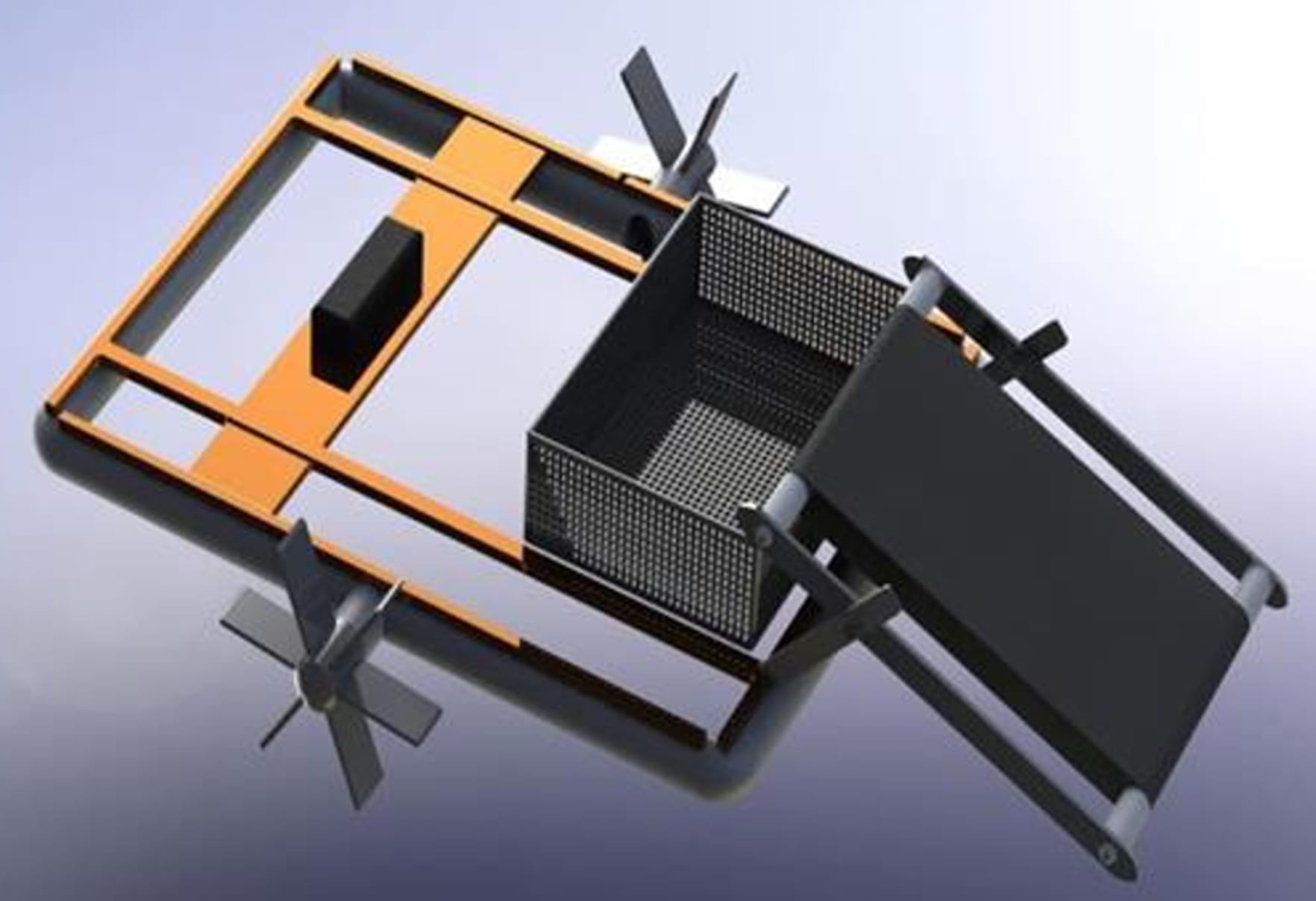
Here is another excerpt that describes the machine:
“By integrating an ESP8266 controller, the lake cleaner can be remotely operated and monitored, allowing for precise navigation and control without the need for direct human intervention. Furthermore, propellers enable smooth movement across the water surface, ensuring effective coverage of the target area for comprehensive cleaning. This paper aims to provide a comprehensive overview of the design principles, operational mechanisms, and performance evaluation of the automatic remote-controlled lake cleaner machine. Through experimental testing and real-world demonstrations, we assess the effectiveness, reliability, and environmental impact of this technology. Additionally, economic considerations and scalability potential will be discussed to facilitate practical implementation and widespread adoption of the proposed solution for sustainable lake remediation efforts” (Patil et al, 2024).
When designing the Lake Cleaning Machine (LCM), calculations were done to ensure the system operates effectively, including added weight from marine debris. These calculations were also used to allow for cost effective low energy consumption. The machine is relatively small (67cm x 49cm), making it environmentally friendly by minimizing the disturbance to aquatic habitats and risk of secondary pollution. The LCM has been tested with a removal efficiency of 90% of floating debris such as plastics and organic matter. The tests and manufacturing process of this machine can be used as a reference for designing similar products.
The Lake Cleaning Machine offers an innovative solution to lake pollution. Its design allows for effective debris removal while minimizing human intervention and energy consumption. The LCM has a unique design that can be used as inspiration for other technology to combat lake pollution.
References.
Patil, A., Patil, S., Pawar, B., Gharat, S., Gharat, D., & Singh, A. (2024). Design and Fabrication of Lake Cleaning Machine. International Journal of Analytical, Experimental and Finite Element Analysis (IJAEFEA). https://doi.org/10.26706/ijaefea.1.11.20240301
Watershed Watch. (n.d.). Picking up litter from the creek. https://mywatershedwatch.org/aboutus/