Leave no trace

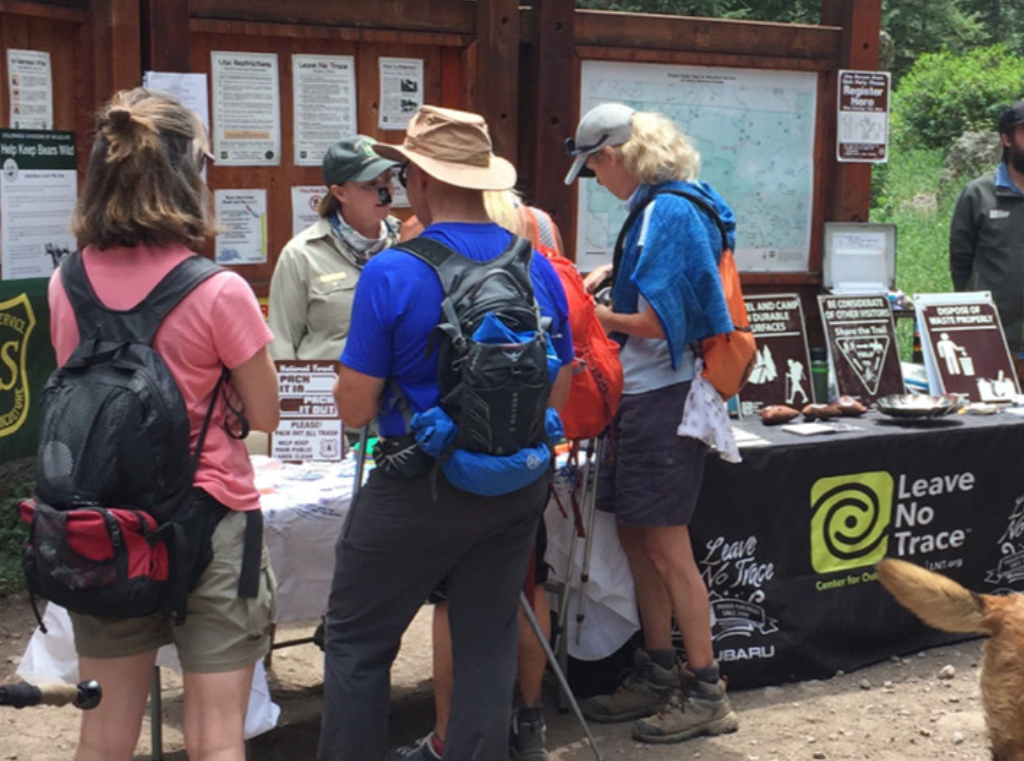
This study is written by Leave No Trace, an organization that is dedicated to protecting the outdoors through science-based education to inspire responsible recreation. The paper goes over multiple studies that cover seven principles, called “leave no trace”, that serve as guidelines for responsible recreation, which includes: (1) plan ahead and prepare, (2) travel and camp on durable surfaces, (3) dispose of waste properly, (4) leave what you find, (5) minimize campfire impacts, (6) respect wildlife and (7) be considerate of other visitors. Keeping these principles in mind can help guide designs that influence people to minimize human impact on the environment.
1. Plan ahead and prepare
Research park regulations and weather conditions before visiting park:
“Findings suggest that visitors prioritize information regarding trail conditions, weather forecasts, safety precautions, and recommended gear when planning their hikes. Understanding visitors' information preferences can aid in the development of effective communication strategies to enhance visitor experiences and safety in wilderness settings such as the Grand Canyon” (Leave No Trace, 2024).
2. Travel and camp on durable surfaces
Staying on established trails and campsites to protect vegetation:
“The study demonstrated a clear relationship between trampling intensity and vegetation response, with more intense trampling resulting in greater damage to plant cover, increased soil compaction, and reduced plant regeneration. Trampling led to a shift in plant species composition, with more trampling resistant species becoming dominant while sensitive species were displaced or reduced in abundance” (Leave No Trace, 2024).
3. Dispose of waste properly
Taking out what you take into the park, including personal items and waste:
“The study highlights the significant environmental and health risks associated with improper human waste disposal practices through a comprehensive examination of existing literature and field observations. It emphasizes the importance of implementing effective waste management strategies and promoting Leave No Trace principles to minimize the impacts of human waste on wilderness environments” (Leave No Trace, 2024).
4. Leave what you find
Not taking things found in nature with you to preserve the environment:
“The study examined how human recreational activities, such as hiking and camping, can disturb wildlife behaviors and habitats, even when direct interactions are minimal. Their findings underscored the importance of considering these indirect effects in wildlife management and conservation strategies to mitigate disturbances and promote sustainable coexistence between recreational activities and wildlife populations” (Leave No Trace, 2024).
5. Minimize campfire impacts
Not using firewood from nature and use stoves for cooking:
“The study highlighted the environmental impact of fire building and wood gathering, noting that these activities contributed to soil disturbance, vegetation loss, and the depletion of dead wood, which disrupted local ecosystems and delayed forest regeneration” (Leave No Trace, 2024).
6. Respect wildlife
Observe wildlife from a distance and don’t interact with them:
“The findings highlight how recreational activities can indirectly impact wildlife through habitat alteration, disturbance, and displacement, leading to potential ecological consequences. These results emphasize the importance of comprehensive management strategies that consider both direct and indirect impacts of recreation to ensure the conservation of wildlife populations and their habitats” (Leave No Trace, 2024).
7. Be considerate of other visitors
Be respectful towards other visitors who share the park:
“Recreation conflict is often rooted in differences in activity goals, attitudes, and behaviors among visitors. For example, motorized and non-motorized users or those seeking solitude versus group-oriented activities frequently experience conflict due to incompatible objectives” (Leave No Trace, 2024).
Following the leave no trace principles helps to minimize human impact on the environment by being more responsible and mindful of one’s surroundings. These principles also keep visitors safe by following park regulations and coming in contact with harmful wildlife. Overall, “leave no trace” will help protect both the environment and humans. For a designer, how can this concept of “leave no trace” be incorporated in a project to decrease human impact? How can designers help visitors understand and follow this concept?
References.
Leave No Trace. (2024). Leave No Trace Research Bibliography. https://lnt.org/wp-content/uploads/2025/04/Leave-No-Trace-Research-Bibliography-Nov-2024.pdf
Leave No Trace. (2018). Protect the Outdoors - Leave No Trace Center for Outdoor Ethics. Leave No Trace. https://lnt.org/