Let's Talk Stimulation
What is Bilateral Stimulation? In short, it is the term for a type of stimulation that engages both hemispheres of the brain. Commonly used in EMDR therapy, how might bilateral stimulation be a helpful tool for grounding and relaxation in times of discomfort?
" Eye movement desensitisation and reprocessing (EMDR) [1–2] is a standard method for treating PTSD and has been recommended by the American Psychiatric Association. This technique involves a unique procedure in which a therapist exposes the patient to bilateral stimulation (BLS), which involves alternating bilateral visual (eye movement), auditory, or sensory stimulation (e.g. tactile stimulation). The standard EMDR protocol consists of two main stages, desensitisation of traumatic memories and development and installation of a “resource”, such as safe and pleasant thoughts. The latter is called resource development and installation (RDI) [3–7]. In the standard protocol, both stages use alternating BLS. BLS is performed concurrently with the recall of the worst image of the trauma and the resources installation. RDI has become a powerful psychotherapeutic tool for relaxation and encompasses a wide range of resource development interventions during the stabilisation phase of PTSD treatment." (Amano & Toichi, 2016).
In an article from Tamaki Amano and Motomi Toichi from the Graduate School of Medicine at Kyoto University, the topic of bilateral stimulation is explored through the question, how does BLS affect stage two of the EMDR therapy process? Recommended by the American Psychiatric Association, EMDR therapy is a standard treatment for Post-Traumatic Stress Disorder. This mode of therapy consists of two stages. One stage is focused on desensitization of a traumatic memory while stage two is a positive resource development process. This mode of therapy is a leading treatment for PTSD, but how does the bilateral stimulation impact stage two of treatment?
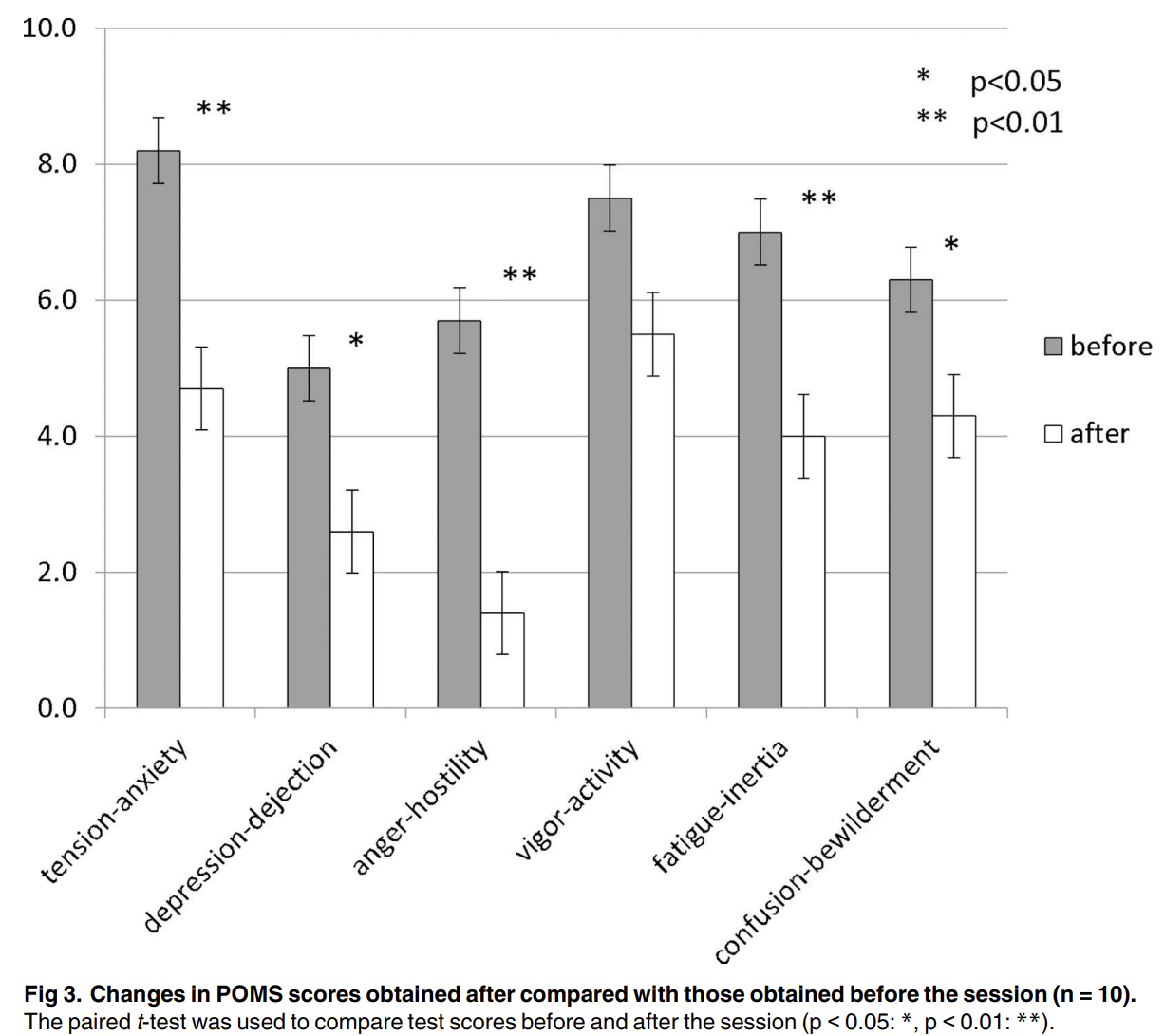
This article suggests that the impact of BLS is also beneficial to the RDI stage of this therapy mode. In considering this study in the lens of non therapy based practices, how does BLS impact the feelings of tension-anxiety, fatigue, and distress on general populations? Could implementing BLS help ground users to help cope with discomfort?
References
Amano, T., & Toichi, M. (2016). The role of alternating bilateral stimulation in establishing positive cognition in EMDR therapy: A multi-channel near-infrared spectroscopy study. PLOS ONE, 11(10), e0162735. https://doi.org/10.1371/journal.pone.0162735 journals.plos.org
Unknown author. (n.d.). Scientists decode colors from brain activity across different people [Image]. Earth (CFF). https://cff2.earth.com/uploads/2025/09/10181717/Scientists-decode-colors-from-brain-activity-across-different-people4.jpg