Managing plastic is simple, right?
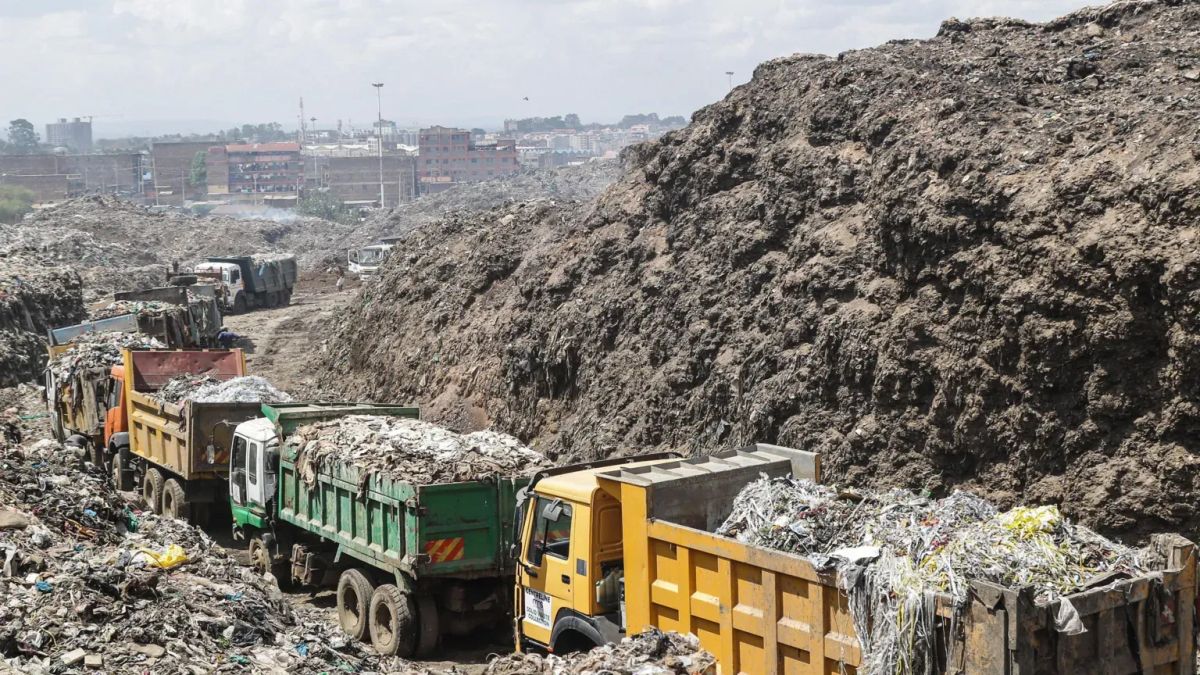
Plastic waste is an issue that affects everyone and everything. It extends beyond boarders, infecting both the human and natural world. With an issue this big, you would think that this would mean national leaders are willing to work out a way to manage it. And yet, talks remain at a stalemate.
The UN negotiations, the sixth round of talks in just under three years, were due to end on Thursday but countries continued to negotiate into the night in the hopes of breaking a deadlock. (Stallard & Poynting, 2025)
Despite the benefits of plastic to almost every sector, scientists are particularly concerned about potentially toxic chemicals they contain, which can leach out as plastics break down into smaller pieces.
The core dividing line between countries has remained the same throughout: whether the treaty should tackle plastics at source – by reducing production – or focus on managing the pollution that comes from it.
Much of this difference is falls between the nations who are largely responsible for plastic production and those who are not.
the northern Pacific nation of Palau said on Friday: "We are repeatedly returning home with insufficient progress to show our people."..."It is unjust for us to face the brunt of yet another global environmental crisis we contribute minimally to," it added.
The largest oil-producing nations view plastics, which are made using fossil fuels, as a vital part of their future economies
"Plastics are fundamental for modern life - they go in everything," said Ross Eisenberg, president of America's Plastic Makers... "Focusing on ending plastic pollution should be the priority here, not ending plastic production," he added, warning that attempts to substitute plastics with other materials could lead to "unintended consequences".
But many researchers warn that this approach is fundamentally flawed. Global recycling rates are estimated at only about 10%, with limits on how far that can rise.
What this article does well is highlight the urgency in which getting plastic waste under control is. And yet the ones who are named in the article seem more invested in maintaining what they have rather then work together towards a solution. As it takes longer and longer to reach agreements, more and more waste finds it way into the ecosystem.
One of the problems I see through reading this article is that each country has a self preservation mindset. They aren't thinking of what could benefit everyone, instead thinking of how to maintain current standing keeping plastic pollution maintenance as second priority.
All this makes me wonder what would happen if instead of self preservation, there was a people first mentality. How would the world look if compromise was default and not the reluctant option?
References
Stallard. E & Poynting. M, (August 15 2025). Global plastic talks collapse as countries remain deeply divided. BBC News Climate and Science. https://www.bbc.com/news/articles/cvgpddpldleo
James Wakibia, (August 15 2025). Global plastic talks collapse as countries remain deeply divided. Getty Images. https://www.bbc.com/news/articles/cvgpddpldleo