Marine debris in park waterways

The National Park Service (NPS) is an organization that is entrusted with the care for national parks. They strive to connect communities, preserve local history and protect the land. This article discusses the waste found around park waters and action taken to remove waste, specifically in Kalaupapa National Historical Park in Hawaii. This article may provide inspiration for designs revolving around waste and sustainability.
Here's an excerpt from the article about marine debris from Hawaii’s shoreline:
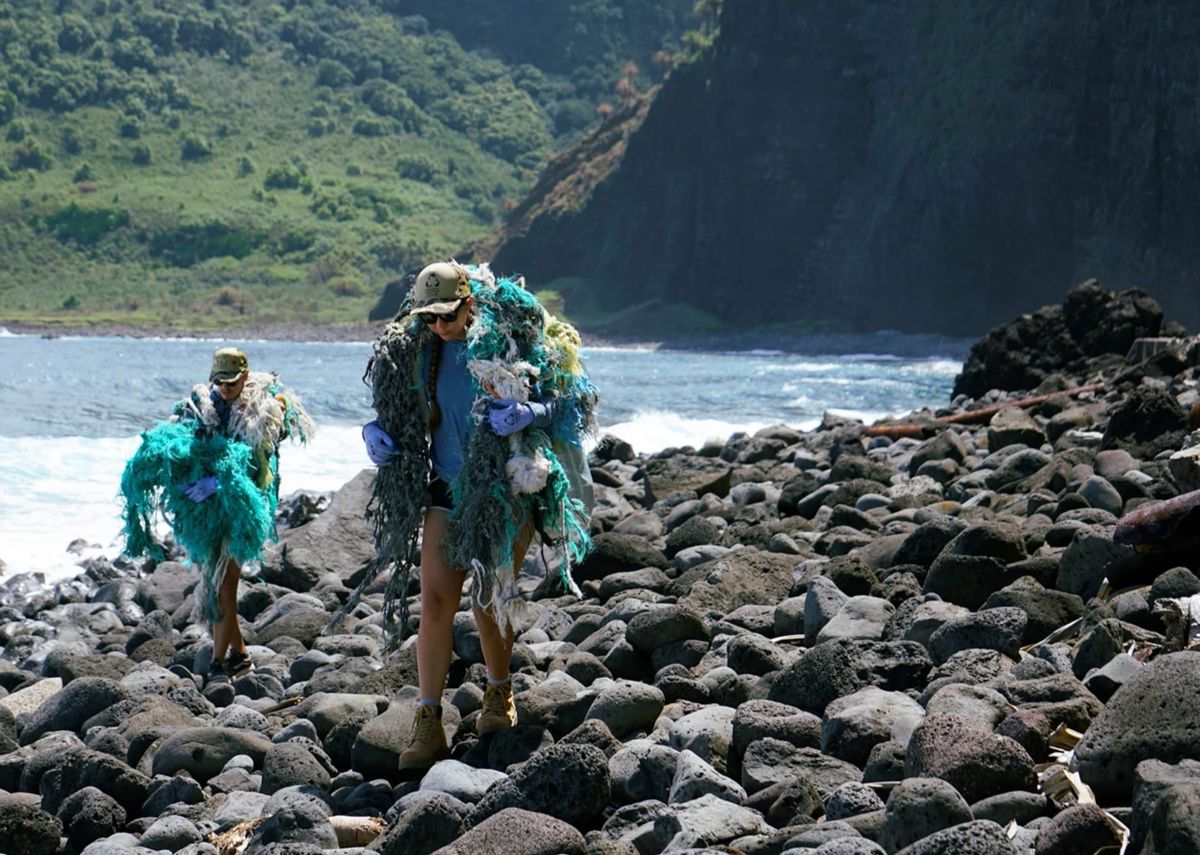
“In one week, they picked up 6,191 pounds of marine debris from more than 6,400 acres of coastline. Among the items they collected were 1,780 buoys, 343 hagfish traps, and 10,115 oyster spacers. Also 53 toothbrushes, 17 combs and hairbrushes, 1,131 bottles, and 1,350 bottle caps” (National Park Service, 2025).
National Park staff along with volunteers were sent to remove marine debris from parks. In one week, they picked over six thousand pounds of waste. By cataloging the collection of waste, insights about the waste’s origins, composition and travel pathways were brought to light. These findings can help resource managers track down the main source of where the waste came from.
Another excerpt discussing the value of collecting and cataloging waste:
"A key component of the project was cataloging the collection of trash. This revealed insights about its origins, composition, and pathways to Hawai'i’s coastlines. Researchers found that over 60 percent of the debris originated from industrial fishing operations. Many of the bottles and bottle caps were labeled in multiple languages. This supports the idea that Hawai'i’s shorelines receive debris carried by vast oceanic currents that act as global conveyor belts" (National Park Service, 2025).
"These findings can help resource managers develop strategies that target the source of marine debris. Although the work begins on the shoreline, meaningful solutions lie “upstream” (mauka). Cleanups—both marine and land-based—can be used as a way to inspire change. Education and outreach about this issue can foster cultural reconnection and environmental awareness. Messages may show the benefits of reuse, composting, and different purchasing decisions" (National Park Service, 2025).
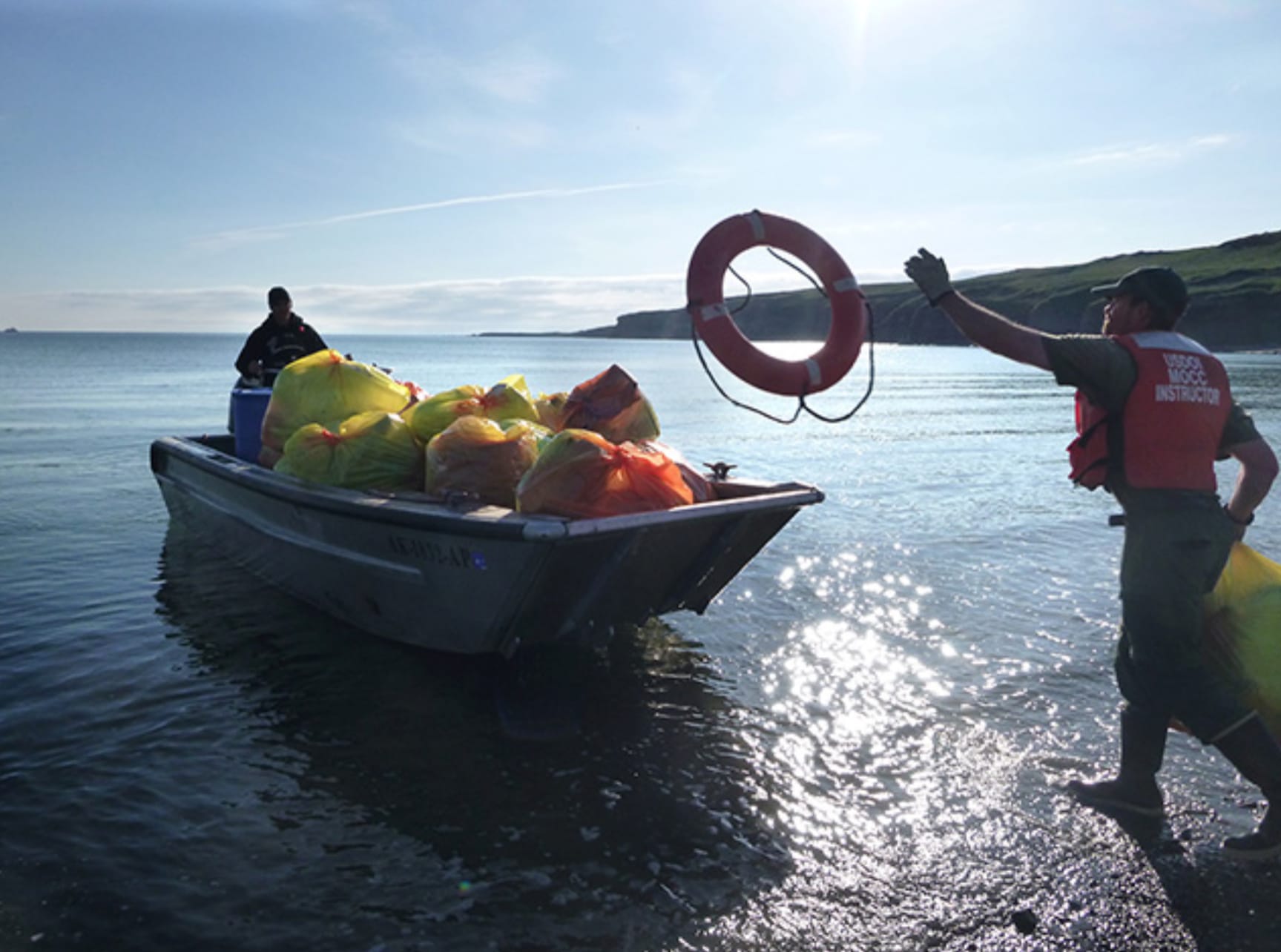
Even though the work begins from the shoreline, tackling the main issue starts upstream. Spreading awareness about the issue of waste can allow people to come together and make a change, whether it’s finding ways to reduce littering or to clean up. This article can inspire designers to be a part of the change to promote sustainability. What are ways to prevent people from littering or what can be done to make people more educated on this topic?
References.
National Park Service. (2025). To Meet the Challenge of Marine Debris, First Collect It. Nps.gov. https://www.nps.gov/articles/000/psv39n2_to-meet-the-challenge-of-marine-debris-first-collect-it.htm