Meditation Lights

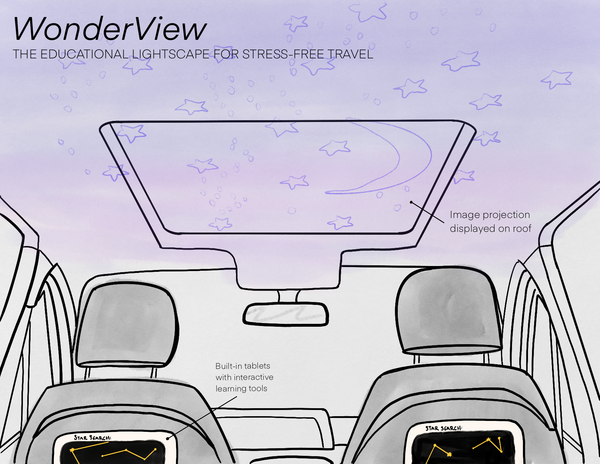
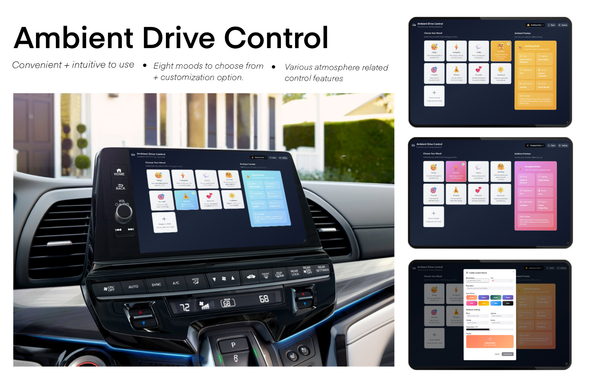
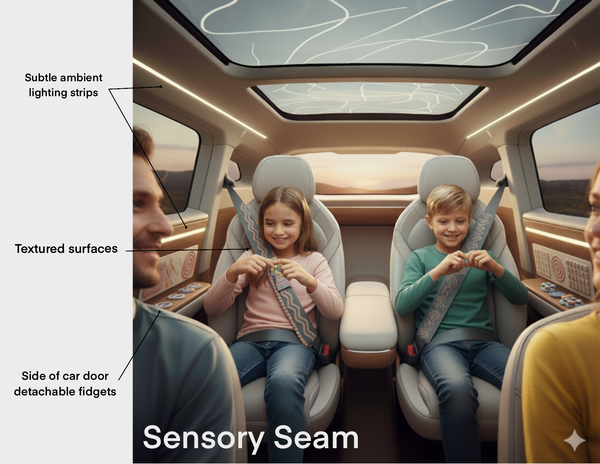
This article is great for my research as it talks about a new concept that could be a non screen based solution for in car restlessness. The solution is meditation lights. It explains how different colors of light can be used to influence mood and promote calmness and focus. The article discusses how "red light" is great for grounding, "blue light" is calming and "white light" is for clarity. The idea of using light to create a peaceful atmosphere in the car is a very interesting concept and something I would like to incorporate. This is a science backed approach and it offers a potential alternate solution to constant screen time that parents don’t like. This could be a design solution that could use integrated color changing lights in the backseat to help a child regulate their emotions and calm down during a stressful moment. This would be a great way to provide a subtle way for parents to intervene without direct verbal commands or distractions. How might an in car meditation light system be designed to subtly guide a child's emotions and focus without distracting the driver or making the child feel overstimulated?
Have you ever thought about how light could help your meditation? Maybe you’ve noticed how the right light can change the way you feel. Meditation lighting has become super popular, and I get why! These little gems create a peaceful vibe, helping you dive deeper into your practice. The truth is, that lighting can make a big difference when it comes to feeling more focused or relaxed. I mean, how can something as simple as light have such a big impact on our minds? Well, it does. These lights help guide us into a more peaceful state, making it easier to focus and calm down. So, let’s talk about them a little more. What are meditation lights? Where did they come from? And how can they help your practice? Keep reading to find out (Banderas, 2024).
These lights aren’t exactly new. Their history is rooted in spiritual and healing practices that go way back. Have you ever heard of chakra healing? It’s all about balancing energy in your body, and what are meditation lights. The color of light can be used to support balancing energy. For example, white light is all about purity, while golden light is connected to joy and vitality. Sunlight itself has been used for centuries to help people feel better, and nowadays we see golden light meditation inspired by the sun’s natural energy. So, these lights aren’t just pretty—they have real meaning (Banderas, 2024).
Different Types of Meditation Lights (Banderas, 2024).
What are meditation lights? There are so many types of meditation lights, and each one can bring something special to your practice. Let me share a few examples with you: (Banderas, 2024).
LED Lights: These are super adjustable. You can play around with colors to match your mood (Banderas, 2024).
Himalayan Salt Lamps: Not only do these look cool, but they’re also believed to purify the air, giving you a calm and healing environment (Banderas, 2024).
Natural Candles: These are great for grounding. The soft, flickering flame is perfect if you want to center yourself during a meditation (Banderas, 2024).
Energy-Focused Lights: There are also lights designed to focus on your energy, like the Ajna Light Therapy, which is meant to help you relax and concentrate (Banderas, 2024).
Red Light: This one’s great for grounding. It boosts your energy and helps you feel more stable (Banderas, 2024).
Blue Light: Blue is calming. It helps reduce anxiety and promotes relaxation (Banderas, 2024).
Golden Light: Gold is warm, like the sun, and can give you a boost of happiness (Banderas, 2024).
White Light: This one’s all about clarity. It helps clear your mind and brings a sense of peace (Banderas, 2024).
Reference.
Banderas(2024). What Are Meditation Lights? A Guide to Their Benefits and Uses. 3xternal.com. https://www.3xternal.com/post/what-are-meditation-lights-a-guide-to-their
This passage draws on 3xternal’s “What Are Meditation Lights?” article (~40%) as the original source, integrates the author’s own reflections and proposed applications for in-car child comfort (~35%), and includes AI assistance in synthesizing the article’s content, refining phrasing, and framing design implications (~25%). All interpretations remain the responsibility of the author.