Microplastics Are Everywhere. Here’s How to Avoid Eating Them.

This article gives more actionable insights into the current microplastics problem from the perspective of everyday people’s concerns. It can feel overwhelming living in a world so permeated by plastic that someone cannot see or avoid.
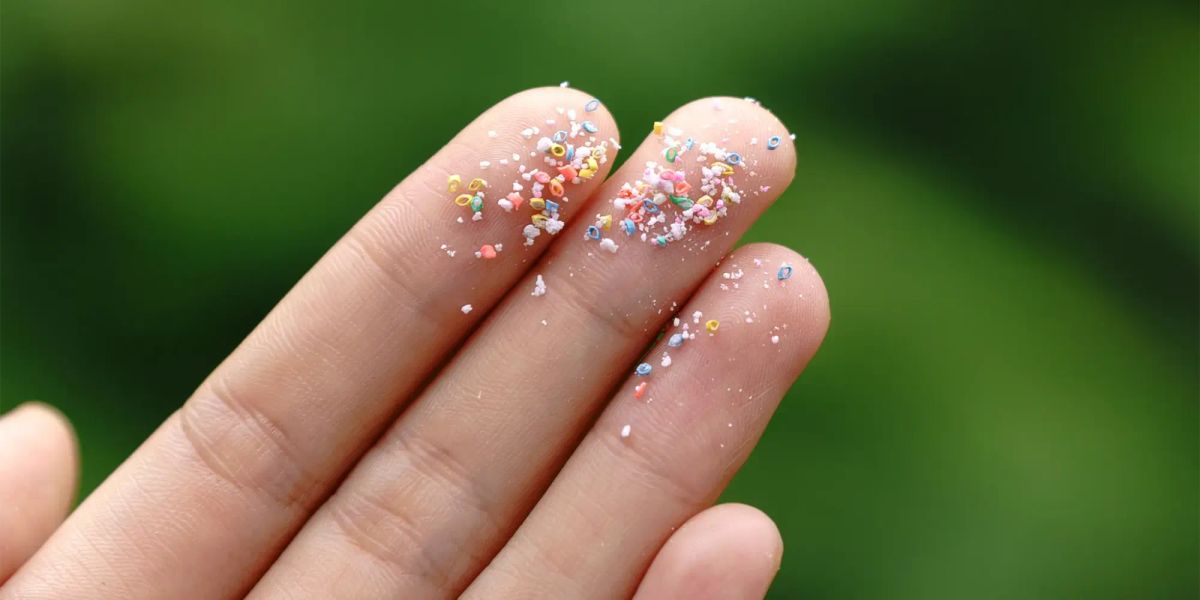
The teeny tiny pieces of plastic have been found in everything from drinking water to chicken nuggets, apples, and broccoli. Recent studies have linked these pollutants to heart disease, lung disorders, and more worrying health issues. But unfortunately, microplastics are now so pervasive that they’re nearly impossible to avoid. This article gives more actionable insights into the current microplastics problem from the perspective of everyday people’s concerns. It can feel overwhelming living in a world so permeated by plastic that someone cannot see or avoid. (Okamoto)
It is important to stress that, just like any other substance, microplastics cause these problems when they are in the body and environmental in excess amounts. Taking a few small steps to avoid plastic, when possible, can actually go a long way.
...the experts I spoke with said that you can lower your risk by taking care of your general health: getting plenty of sleep and exercise, eating a balanced diet, lowering stress, and seeking preventative care.
Still, it’s probably a good idea to lower your exposure to microplastics even if you can’t avoid them completely. (Okamoto)
The main ways microplastics get from the environment into a person’s system is through the same channels that other substances do, such as the water we drink, food we eat, and air we breath.
1. Cut back on bottled water
2. Get an NSF-certified water filter (Okamoto)
To help limit microplastics from our water consumption it helps to limit plastic water bottles and set up a filter.
3. Avoid storing food in plastic
4. Avoid reuse single-use plastics for food and drinks
5. Don’t heat plastic
6. Wash plastic by hand
7. Use wood or bamboo cutting boards (Okamoto)
For food, be aware of the plastic involved with storage and preparation.
8. Clean your air: The air we breathe is also a potential source of microplastics, in the form of dust. Reducing airborne dust in your home, then, may reduce your exposure to inhaled microplastics. (Okamoto)
It is important to note that different people will be at a higher risk for microplastic exposure then others, espically young children.
Infants may be exposed to microplastics and nanoplastics in much higher concentrations than adults. Research shows that this exposure may be cause for concern, particularly at critical stages of early development. But much like health risks to adults, it’s important to think of microplastics exposure as just one piece of a child’s overall health.
“I emphasize that before putting much energy and resources into minimizing unknown risks, it is worth attending to reducing the risks we know about,” said Dr. Carlos Lerner, a pediatrician and professor of clinical pediatrics at UCLA Health. (Okamoto)
I appreciate that this article breaks the complex issue into actionable steps. This also begs the question, how many microplastics could be limited from entering the environment if these steps were implemented on a larger manufacturing scale?
Okamoto, Katie. “Microplastics Are Everywhere. Here’s How to Avoid Eating Them.” The New York Times, The New York Times, 2025, www.nytimes.com/wirecutter/reviews/how-to-avoid-eating-microplastics/.