Microplastics Everywhere

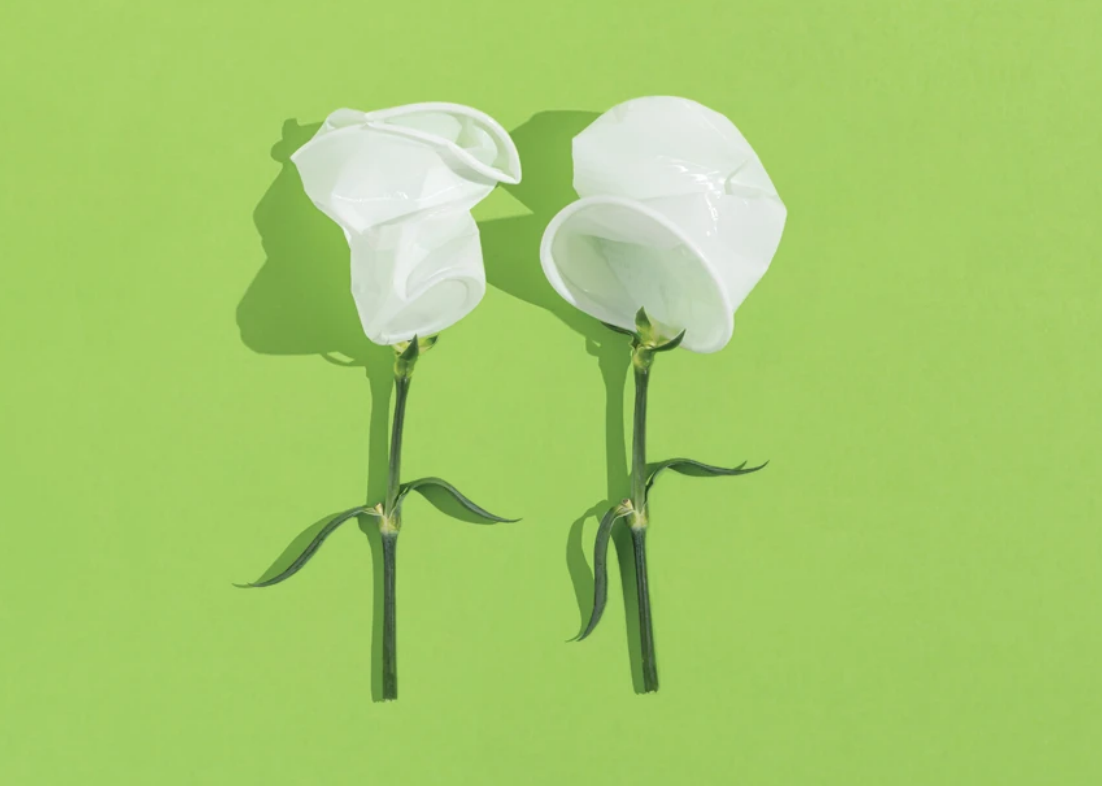
This article explores the conversations on microplastics from a different source. This article by Harvard medical, aims to stir its readers into action and uses strong evacuation language to press the dangers of microplastics.
The study of whether and how microplastics — particles smaller than 5 millimeters that slough off plastic as it degrades — pose threats to human health is still in its infancy. As the World Health Organization underscored in a 2022 report, current technologies don’t yet enable researchers to quantify population-level microplastics exposures
Understanding what these particles might do to our genes, cells, and organs is of increasing importance as changing weather patterns sweep microplastics into more of Earth’s lands, waters, and air.
We encounter microplastics everywhere: from trash, dust, fabrics, cosmetics, cleaning products, rain, seafood, produce, table salt, and more.
Little wonder that microplastics have been detected throughout the human body, including in the blood, saliva, liver, kidneys, and placenta. Investigators are probing how they get into other organs and tissues from the lungs and gastrointestinal tract. Microplastics smaller than 1 micrometer, known as nanoplastics, worry researchers the most because they can infiltrate cells. (Dutchen)
The facts presented are true and should be taken seriously. At the same time, it is important to acknowledge how much of the issue is still shrouded in mystery because of the lack of research and understanding.
Microplastics’ physical properties are one source of potential hazards. Some marine organisms seem to be eating more microplastics and fewer nutrients, which can reverberate up the food chain. In humans, researchers point to illnesses caused by particulate air pollution, which contains microplastics, and by workplace exposure to plastic dust.
As plastic waste skyrockets, threats to human health may escalate, according to a May 2021 Nature news article. The production and destruction of plastics produces particles and gases that contribute to climate change, and plastic left to break down in the environment releases greenhouse gases. (Dutchen)
It is important to be aware of the greenhouse gas emissions from the degrading of plastic, and any recycling method should should take this into account.
Scientists are exploring plastic-eating microorganisms and plastic alternatives. Individuals can advocate for reduced plastic manufacturing and more recycling, and physicians can push for greater sustainability in hospitals and clinics. (Dutchen)
The article leaves its readers with a strong call to action, all with valid options of what to do next. At the same time, it is important to understand that microplastics are not a boogeyman causing death and catastrophe on the spot. Sometimes consumers will not be able to avoid microplastics in their daily lives. Just like any other substance, the danger grows when overexposure is left unchecked and there are many passionate people looking for long term solutions
Dutchen, Stephanie. “Microplastics Everywhere.” Harvard Medicine Magazine, 13 June 2025, magazine.hms.harvard.edu/articles/microplastics-everywhere.